The #1 Reason Buyers Walk Away From A Home Sale (And How Smart Sellers Stay Ahead)

If you’ve been scrolling through real estate headlines lately, you may have seen reports claiming that more homebuyers are backing out of contracts than in recent years. Some articles even say cancellation rates are reaching levels not seen since 2017.
At first glance, that might sound alarming—especially if you’re planning to sell your home soon. But here’s the truth most headlines leave out: contract cancellations often happen for one specific reason, and it’s something sellers can prepare for in advance.
In other words, this isn’t a mystery problem. It’s predictable. And with the right strategy, it’s also preventable.
Let’s explore the biggest reason buyers walk away from deals—and how you can stay one step ahead so your home sale doesn’t fall apart at the finish line.
The Biggest Dealbreaker: Home Inspection Issues
When a buyer makes an offer on a home, the deal usually isn’t final just yet. One of the most important steps that follows is the home inspection.
Think of the inspection as a health checkup for the house. A professional inspector walks through the property, examining everything from the roof to the foundation to identify potential problems.
And here’s where many deals run into trouble.
Recent industry surveys show that more than 70% of cancelled home contracts happen because issues are discovered during the inspection. That’s a massive percentage—and it reveals something important. Buyers aren’t just changing their minds randomly. Most of the time, they’re reacting to unexpected problems uncovered during this process.
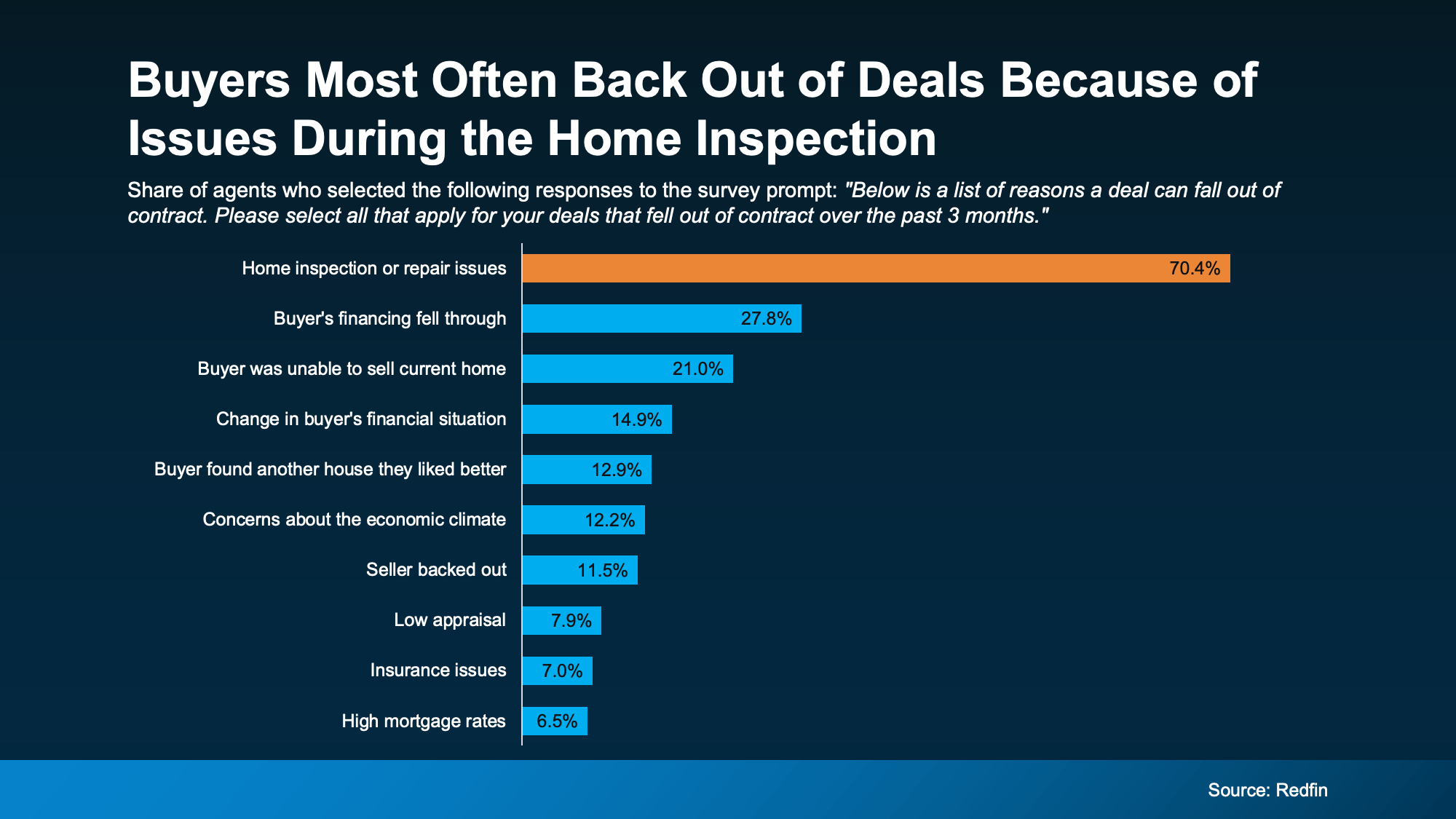
Why does this matter? Because surprises can kill a deal faster than almost anything else.
Imagine buying a car and discovering after signing the paperwork that the engine might fail next month. You’d probably want to walk away too. Homebuyers feel the same way when inspection reports reveal major concerns.
Why Today’s Buyers Are More Selective Than Ever
A few years ago, the housing market looked very different.
Inventory was extremely low, and buyers were competing fiercely for the limited homes available. In many cases, people felt pressured to make quick decisions or risk losing the property to another buyer.
Because of that urgency, some buyers were willing to overlook issues like outdated systems, small repairs, or minor structural concerns.
But today’s market tells a different story.
With more homes available for sale, buyers have the luxury of choice. They’re no longer forced to settle for properties with potential red flags. Instead, they can simply move on to the next listing.
That shift has made inspections more powerful than ever. If a home inspection reveals significant issues—especially ones that signal costly repairs—buyers are far more likely to reconsider their purchase.
From their perspective, why take on risk when there are other homes available?
Common Inspection Problems That Cause Buyers To Walk Away
Not every inspection issue will end a deal. In fact, most homes have at least a few minor items that show up in inspection reports.
However, certain problems raise serious concerns for buyers. These are the kinds of issues that can trigger second thoughts—or even cause the contract to fall apart entirely.
Here are some of the most common red flags buyers watch for.
Roof Damage or Leaks
The roof is one of the most critical components of any home. If inspectors find signs of sagging, leaks, missing shingles, or structural damage, buyers may worry about expensive repairs in the near future.
Replacing a roof can cost thousands of dollars, which makes this issue a major negotiation point.
Plumbing Problems
Water issues are another major concern. Inspectors frequently identify problems such as:
-
Leaking pipes
-
Standing water
-
Signs of previous water damage
-
Poor drainage systems
Water damage can lead to mold, structural deterioration, and long-term maintenance headaches—so buyers take these warnings seriously.
Electrical System Concerns
Electrical safety is not something buyers want to gamble with. Common issues include:
-
Outdated wiring systems
-
Exposed electrical components
-
Missing GFCI outlets in kitchens and bathrooms
Faulty electrical systems can be both dangerous and expensive to update, which often makes buyers hesitant.
HVAC System Failures
Heating and cooling systems play a major role in a home’s comfort. If the HVAC system isn’t functioning properly—or is nearing the end of its lifespan—buyers may worry about replacing it shortly after moving in.
Pest or Termite Damage
Termites and other pests can cause serious structural damage over time. Evidence of infestation can instantly raise alarm bells for buyers, especially if repairs appear extensive.
Hazardous Materials
Homes built decades ago may contain materials that are now considered hazardous, including:
-
Lead-based paint
-
Mold growth
-
Asbestos insulation
These issues can require specialized remediation, making them expensive and complicated to resolve.
Safety and Code Violations
Simple safety concerns can also influence buyer decisions. Missing smoke detectors, improperly installed stair railings, or windows that don’t open properly may signal that the home hasn’t been well maintained.
Structural Problems
Perhaps the most serious inspection concerns involve structural integrity. Foundation cracks, uneven floors, and shifting walls can indicate deeper problems that require major repairs.
When buyers see these issues, they often pause and ask themselves an important question:
What else might be wrong with this house?
Once that doubt creeps in, restoring buyer confidence becomes much harder.
Why Addressing Repairs Before Listing Is A Smart Strategy
So how can sellers protect themselves from inspection surprises?
The answer is simple: proactive preparation.
Fixing certain issues before putting your home on the market can dramatically improve the chances of a smooth transaction. Instead of discovering problems halfway through the deal, you address them early—before buyers ever step through the door.
This approach offers several advantages.
First, it helps build trust. Buyers feel more confident making offers on homes that appear well-maintained.
Second, it reduces negotiation stress. If major repairs are already completed, there’s less room for buyers to demand concessions later.
Third, it keeps your transaction moving forward without delays caused by last-minute contractor searches.
In a competitive market, preparation can make the difference between a smooth closing and a deal that falls apart.
How A Real Estate Agent Helps Sellers Stay Ahead
One of the most valuable resources a seller can have is a knowledgeable local real estate agent.
An experienced agent understands what buyers in your market care about most. They can walk through your property and help identify areas that might raise concerns during inspections.
Think of them as your early-warning system.
Instead of guessing which repairs matter most, your agent can help prioritize improvements that offer the greatest impact. Maybe your home only needs one or two small fixes. Maybe everything is already in excellent condition.
Either way, expert guidance ensures you focus your time and money where it matters most.
Agents also have access to trusted contractors, inspectors, and service professionals who can help address issues quickly and efficiently.
The Advantage Of A Pre-Listing Inspection
Some sellers take preparation a step further by scheduling a pre-listing inspection before putting their home on the market.
This process mirrors the inspection a buyer would eventually perform. A professional inspector evaluates the home and provides a detailed report outlining potential concerns.
Why is this helpful?
Because it eliminates surprises.
With a pre-listing inspection, sellers gain insight into exactly what buyers will see later. That knowledge gives you time to:
-
Fix issues before listing
-
Disclose known concerns upfront
-
Avoid stressful negotiations during escrow
-
Prevent last-minute delays before closing
Think of it like studying the exam before test day. When you know what’s coming, you can prepare with confidence.
Not Every Issue Needs To Be Fixed
Here’s an important point many sellers misunderstand: you don’t have to fix everything.
In fact, trying to repair every single minor issue can waste time and money. The goal isn’t perfection—it’s strategy.
Sometimes the best solution is repairing a major problem. Other times, offering a repair credit to the buyer may be the smarter choice.
A skilled real estate agent can help evaluate inspection results and determine which issues truly matter in your local market. That guidance helps sellers avoid overspending while still protecting the deal.
Final Thoughts: Stay Proactive To Protect Your Sale
Inspection issues remain one of the biggest reasons real estate contracts fall apart. But the good news is that sellers have significant control over this part of the process.
By identifying potential problems early, making strategic repairs, and working with an experienced agent, you can dramatically reduce the chances of unexpected deal breakers.
Selling a home is a bit like preparing a stage before opening night. When everything is in place and ready, the performance runs smoothly.
And when buyers walk through your front door with confidence instead of doubt, your chances of reaching the closing table increase dramatically.
If you’re planning to sell and want guidance on where to focus your efforts, connecting with a knowledgeable real estate professional can help ensure your sale starts strong—and finishes even stronger.
Recent Posts









GET MORE INFORMATION