Top 3 Smart Reasons To Buy a Home Before Spring Hits

If you’re planning to buy a home this year, chances are your eyes are already locked on spring.
And honestly? That makes sense.
Spring sounds ideal. Warmer weather. More listings. That feeling that everything is finally moving again. Many buyers assume that when spring arrives, two magical things will happen at once:
-
Mortgage rates will drop a bit more
-
More homes will hit the market, giving them better choices
But here’s the part most buyers don’t realize until it’s too late: waiting for spring can quietly cost you more money, more time, and a whole lot more stress.
In fact, buying just a few weeks earlier—before the spring rush fully kicks in—can put you in a much stronger position. Think lower competition, calmer decision-making, and real savings that actually show up in your monthly payment or purchase price.
Let’s break down the top three reasons why buying a home before spring may be the smartest move you make all year.
1. Waiting for Lower Mortgage Rates Might Backfire
Let’s talk about the elephant in the room: mortgage rates.
A lot of buyers are stuck in “wait-and-see” mode, hoping rates will drop just a little more if they hold out. On paper, that sounds logical. In reality? It’s risky.
What the Experts Are Actually Saying About Mortgage Rates
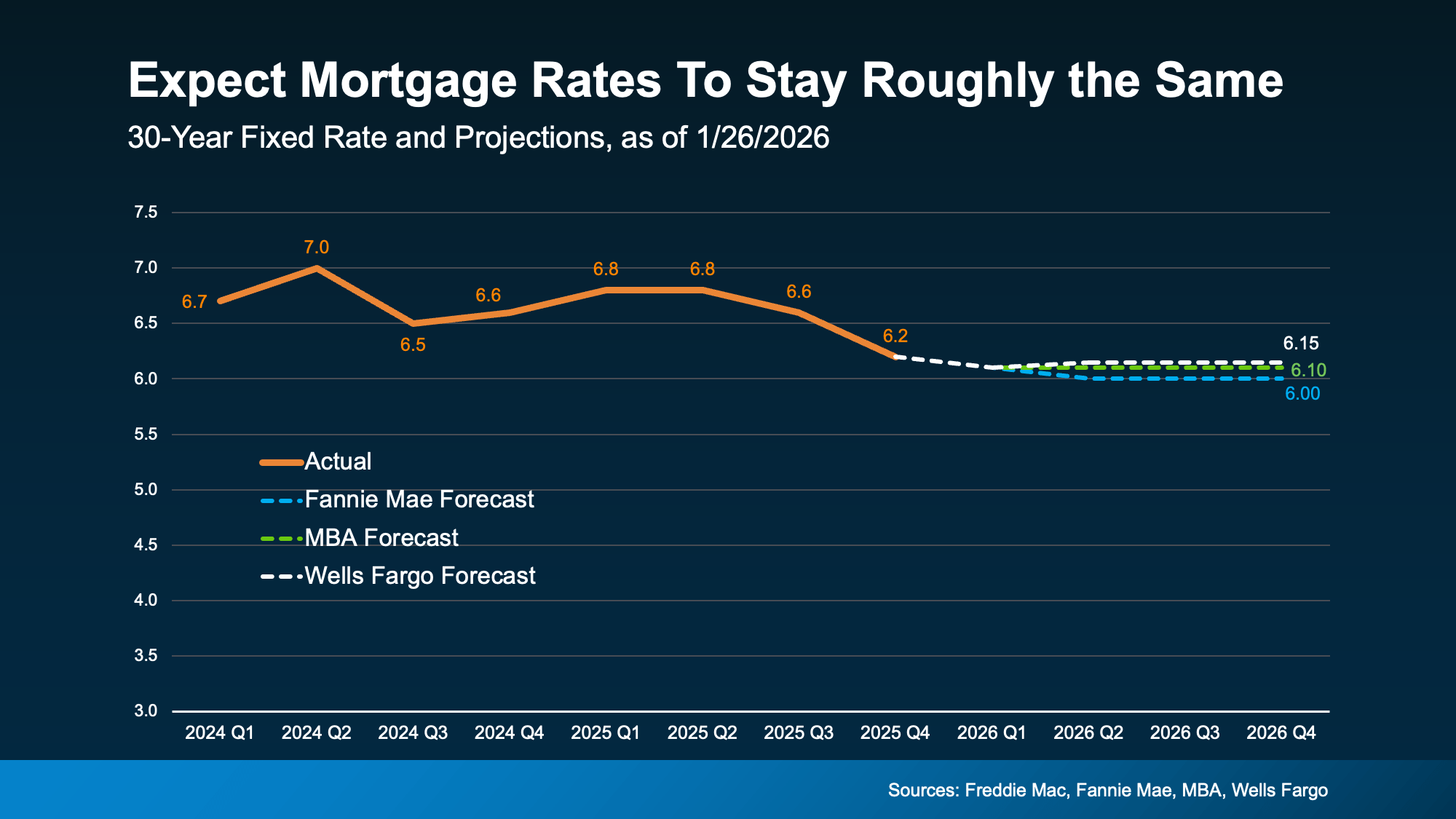
Across the real estate and finance industries, economists are surprisingly aligned. Most forecasts suggest mortgage rates are expected to hover in the low-6% range this year, not dramatically fall.
And that’s important context.
Over the past 12 months, mortgage rates have already come down by roughly a full percentage point. That’s not nothing. For many buyers, that drop has already improved affordability more than they realize—sometimes by hundreds of dollars per month.
As Chen Zhao, Head of Economics Research at Redfin, puts it:
“House hunters should know that this may be near the lowest mortgage rates fall for the foreseeable future.”
The Hidden Cost of Waiting
Here’s the catch: while you’re waiting for rates to dip, other buyers are watching the same headlines. The moment rates show even a slight improvement—or simply stabilize—more people jump back into the market.
That means:
-
More competition
-
More offers per home
-
More pressure to overbid
So even if rates drop a fraction, you may end up paying more for the house itself. It’s like waiting for gas prices to fall by a few cents… while the price of the car goes up thousands.
Right now, you have a window where rates are relatively stable and competition hasn’t exploded yet. That combination doesn’t last long.
2. Buying Before Spring Means Less Competition and Less Stress
Spring is the busiest season in real estate for a reason. Families plan moves around school calendars. Sellers want their homes to look their best. Buyers feel emotionally ready for a fresh start.
But popularity comes with a price.
Spring Market = Faster Decisions and Higher Pressure
When more buyers flood the market, everything speeds up. Homes sell faster. Offers pile in. Deadlines shrink. Suddenly, you’re expected to make one of the biggest financial decisions of your life… in a weekend.
No pressure, right?
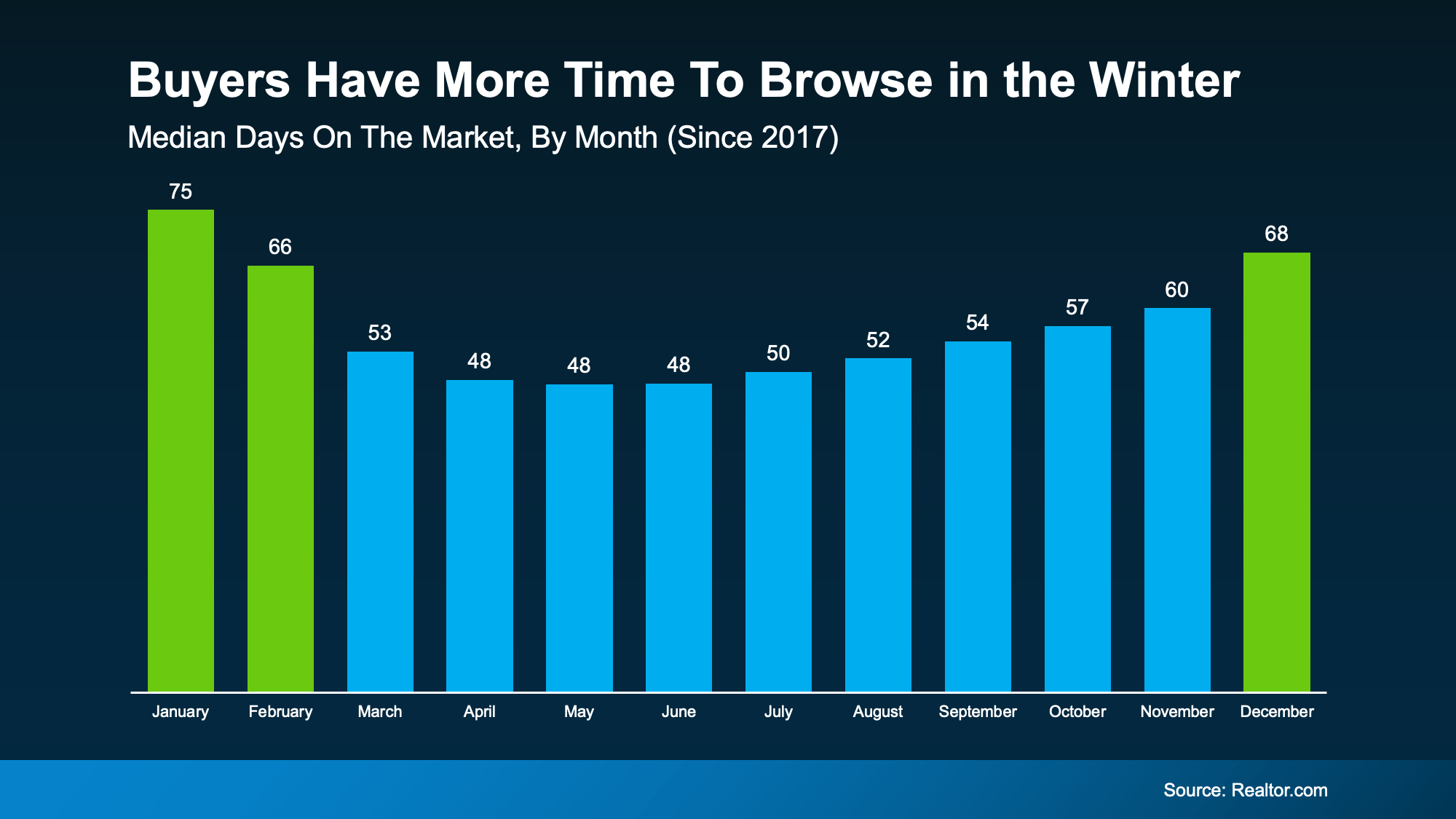
Data from Realtor.com shows a clear seasonal pattern:
-
During winter months, homes take around 70 days to sell on average
-
In spring, that drops to about 50 days
That 20-day difference matters more than it sounds.
Why Time Is a Buyer’s Best Friend
When homes sit longer:
-
You have more time to think
-
You can negotiate more confidently
-
Sellers are often more flexible
Buying before spring gives you breathing room. You’re not fighting five other buyers for the same house. You’re not rushing inspections or second-guessing your gut because a deadline is looming.
Think of it like shopping in a quiet store versus a packed clearance sale. Same products—very different experience.
3. Home Prices Tend to Rise When Spring Demand Spikes
This is the part many buyers underestimate: prices respond to demand.
When more buyers show up, prices don’t politely stay the same. They adjust upward.
Why Spring Prices Are Usually Higher
According to Bankrate:
“Spring and early summer are the busiest and most competitive time of year for the real estate market… home prices tend to be steeper to reflect the increased demand.”
It’s basic economics. More buyers chasing the same homes pushes prices higher, especially in desirable areas.
And this isn’t just theory.
The Real Cost Difference of Buying Early
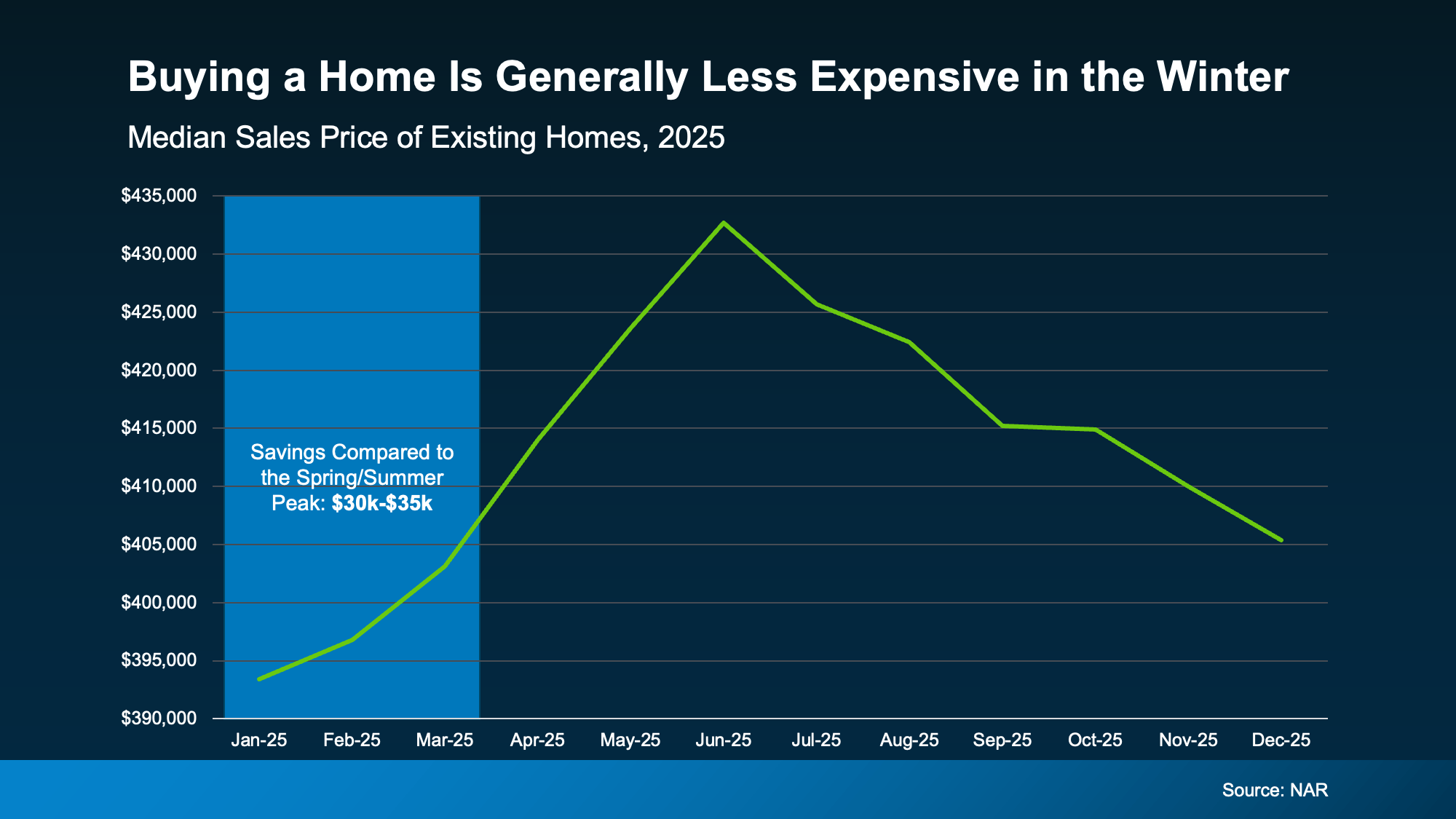
Data from the National Association of Realtors (NAR) shows that in 2025, buyers who purchased at the beginning of the year saved roughly $30,000–$35,000 compared to those who bought when prices peaked in spring or early summer.
That’s not pocket change.
That kind of savings can mean:
-
A lower monthly mortgage payment
-
Less money borrowed over time
-
More flexibility in your budget
For many buyers today, every dollar counts. And buying before prices ramp up is one of the simplest ways to protect your wallet.
Why Buying Before Spring Isn’t “Rushing”
Let’s clear something up.
Buying before spring doesn’t mean making a reckless decision or skipping due diligence. It means being proactive instead of reactive.
It’s about choosing:
-
Leverage over competition
-
Calm over chaos
-
Strategy over hype
Think of it like boarding a plane early. You’re not in a hurry—you just want overhead space and a smooth start to the trip.
The Advantage Buyers Have Right Now
Right now, the market offers a rare mix:
-
Mortgage rates that have already eased from their highs
-
Fewer active buyers compared to peak spring season
-
Sellers who are more open to negotiation
That combination gives buyers something invaluable: options.
Once spring hits full swing, those options narrow fast.
Final Thoughts: Be Ahead of the Curve, Not Chasing It
Buying a home a few weeks before spring isn’t about timing the market perfectly. It’s about understanding how the market actually behaves.
When you buy early, you’re not fighting crowds. You’re not overpaying due to demand spikes. You’re not making rushed decisions under pressure.
You’re simply positioning yourself one step ahead—with more control, less stress, and meaningful savings.
If you’re ready and able to buy now and want to explore what this window could look like for you, it might be time to start the conversation. Sometimes the smartest move isn’t waiting for the perfect moment—it’s recognizing when the opportunity is already here.
Recent Posts






GET MORE INFORMATION