Why You Shouldn’t Automatically Skip A House That’s Been Sitting On The Market
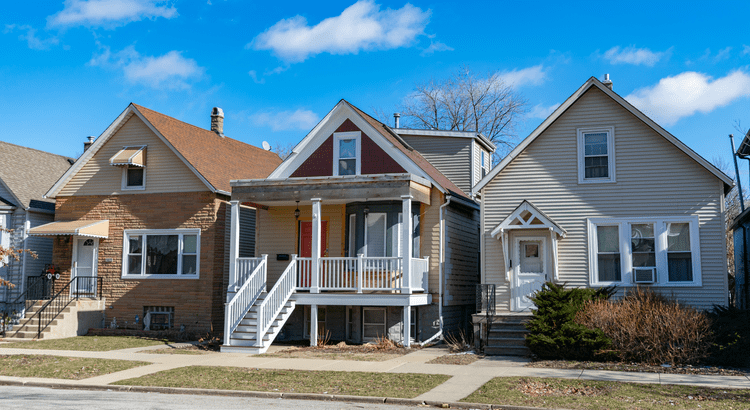
Scrolling through listings can feel a lot like online dating. You see a house that’s been “active” for weeks—sometimes months—and your brain immediately jumps to conclusions.
What’s wrong with it?
Why hasn’t anyone bought it yet?
Am I about to walk into a money pit?
If that sounds familiar, you’re not alone. For years, buyers were trained to think that any home not snatched up immediately was a red flag. But here’s the twist: today’s housing market plays by very different rules. And skipping over homes that have been sitting on the market could mean missing out on some of the best opportunities available.
Let’s break down why longer days on market aren’t the warning sign they used to be—and how savvy buyers are using this shift to their advantage.
A House Sitting On The Market Isn’t What It Used To Be
Not long ago, homes sold faster than concert tickets for a world tour. Some listings didn’t even last a weekend. In that kind of frenzy, anything that lingered felt suspicious.
But that era? It’s over.
Today’s market has cooled into something more balanced and, frankly, more sane. Inventory has grown, buyer competition has eased, and homes are taking longer to sell across the board. That doesn’t mean demand disappeared—it means buyers finally have breathing room.
In many areas, the average time a home spends on the market now hovers around two to three months. That might sound slow if you’re still mentally stuck in the bidding-war years, but historically speaking, that’s completely normal.
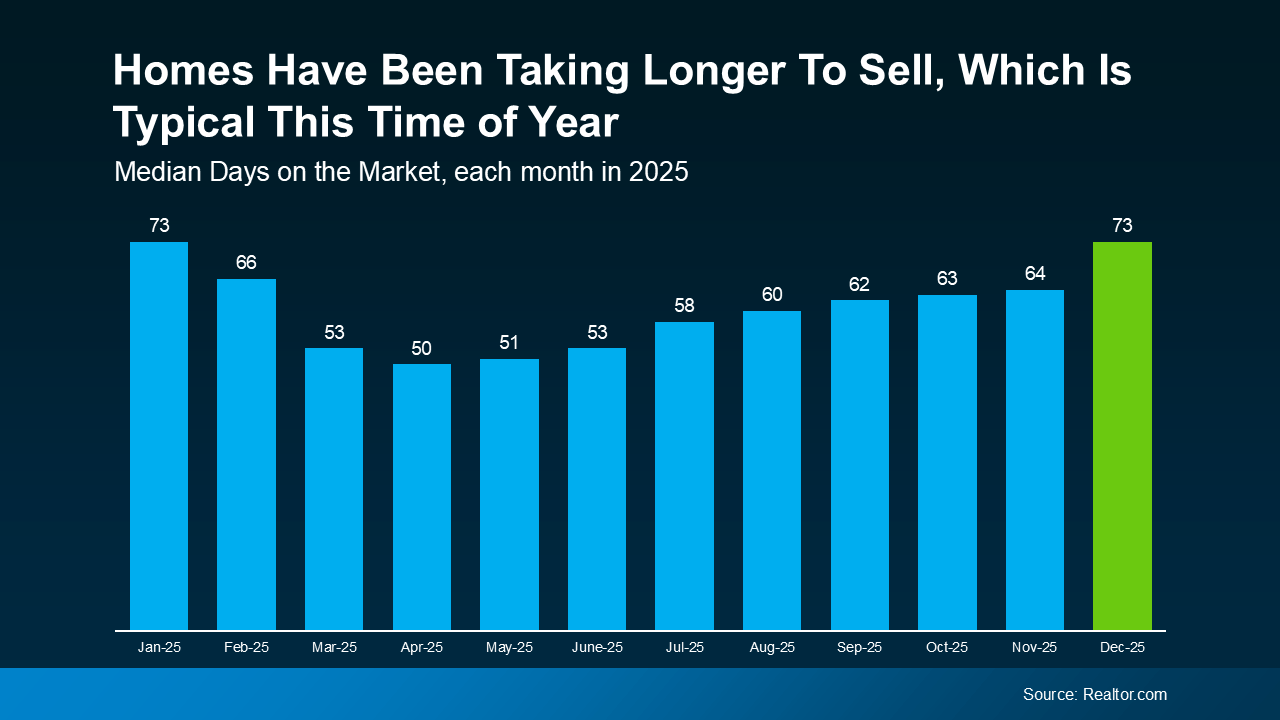
In other words, the market didn’t break. It just exhaled.
More Days On Market Doesn’t Automatically Mean Something Is Wrong
Here’s where many buyers trip up: they assume time on market equals trouble.
But in reality, a home that’s been sitting often has far more ordinary explanations, such as:
-
Higher local inventory giving buyers more options
-
Initial overpricing by the seller
-
Weak listing photos that didn’t do the home justice
-
Flashier nearby homes stealing the spotlight
-
Bad timing, like listing during holidays or rate spikes
None of these scream “run away.” They simply mean the home didn’t win the popularity contest right out of the gate.
Think of it like a great movie that didn’t open big at the box office—but becomes a cult classic once people actually watch it.
Pricing Mistakes Are One Of The Biggest Reasons Homes Linger
One of the most common reasons a home sits on the market? The price was just a bit too ambitious at first.
Sellers often test the waters, especially if they’re anchored to peak-market prices from a few years ago. But buyers today are more cautious, more informed, and less willing to stretch.
When a home doesn’t sell quickly, sellers often adjust expectations. And that’s where opportunity enters the chat.
A price reduction can transform a “meh” listing into a standout value—especially if the home itself was solid all along.
The Photography Problem No One Talks About
Here’s an uncomfortable truth: some homes lose buyers before anyone ever steps inside.
Why? Bad photos.
Dim lighting, awkward angles, cluttered rooms, or outdated listing images can make even a well-maintained home look underwhelming online. And since most buyers make snap judgments while scrolling, those listings get skipped—fast.
But when you see that home in person? Completely different story.
This is one of the biggest reasons experienced agents encourage buyers not to rely solely on listing photos. Some of the best homes simply suffer from terrible first impressions online.
Buyer Psychology Plays A Bigger Role Than You Think
Humans are wired to follow the crowd. When a listing racks up saves, showings, and offers, it feels safe. When it doesn’t, doubt creeps in.
But real estate isn’t always logical—it’s emotional.
Buyers often chase what’s popular, not what’s practical. That means quieter listings can get overlooked, even when they check all the boxes.
Ironically, this herd mentality is exactly why homes with longer days on market can be gold mines for buyers willing to look deeper.
Inspections Exist For A Reason—Use Them
Another big misconception? That hidden issues lurk in every unsold home.
Here’s the reality: if a home has problems, your inspection will reveal them. That’s not a reason to panic—it’s leverage.
Inspections are negotiation tools. They help you:
-
Request repairs
-
Ask for credits
-
Renegotiate the price
-
Walk away if needed
A longer time on market doesn’t mean you’re stuck accepting flaws. It means you may have more room to negotiate once those issues are identified.
Why Homes Sitting Longer Can Mean Better Deals
Let’s talk strategy.
When a home has been on the market for a while, sellers are often:
-
More realistic
-
More flexible
-
More open to concessions
They’ve endured showings, feedback, and silence. That changes the dynamic.
This is where buyers can potentially secure:
-
Better pricing
-
Closing cost assistance
-
Repair credits
-
Flexible timelines
In a competitive market, buyers beg. In a balanced market, buyers negotiate.
The Importance Of Knowing Which Homes Are Worth A Second Look
Now, let’s be clear—not every home sitting on the market is a hidden gem. Some truly do have issues that make them poor investments.
The key is knowing how to tell the difference.
This is where working with a local real estate expert becomes invaluable. A knowledgeable agent can:
-
Review disclosures carefully
-
Analyze pricing history
-
Compare recent neighborhood sales
-
Identify red flags vs. minor issues
-
Spot value others overlook
They help you separate “overlooked opportunity” from “expensive headache.”
Market Timing Matters More Than Most Buyers Realize
Sometimes, a home doesn’t sell quickly simply because it launched at the wrong moment.
Interest rate spikes, seasonal slowdowns, holidays, or even major local events can reduce buyer activity temporarily. A house listed during one of these windows may linger—not because it’s flawed, but because fewer buyers were looking.
When conditions stabilize, that same home can suddenly become very attractive.
Timing isn’t everything—but it’s often underestimated.
Smart Buyers Look Beyond The Clock
If you judge every home solely by how long it’s been on the market, you’re seeing only part of the picture.
Savvy buyers ask better questions:
-
Does the price reflect current market conditions?
-
Is the location strong?
-
Are the issues cosmetic or structural?
-
How flexible is the seller?
The clock doesn’t tell the whole story. Context does.
Why Today’s Market Rewards Patience And Curiosity
This market doesn’t reward panic—it rewards perspective.
Buyers who slow down, dig deeper, and stay open-minded often uncover value where others don’t bother looking. And in a time when affordability matters more than ever, those opportunities can make a huge difference.
Skipping every home that’s been sitting might feel safe—but it can quietly cost you options, leverage, and money.
Bottom Line: Don’t Confuse “Unsold” With “Undesirable”
A house sitting on the market isn’t automatically a warning sign. Sometimes, it’s simply misunderstood, mispriced, or mistimed.
And sometimes? It’s the opportunity everyone else walked past.
If you want help figuring out which homes deserve a second look—and which ones are best left alone—having the right guidance makes all the difference.
Curious what might be hiding in plain sight? Let’s talk.
Recent Posts






GET MORE INFORMATION