The Home Pricing Mistake That Could Ruin Your Sale Before It Starts

Selling a home sounds simple on paper. Put it on the market, choose a high price, wait for offers, and negotiate from there. Easy, right?
Not exactly.
In today’s housing market, one wrong move can quietly sabotage your entire sale before buyers even step through the front door. And the biggest mistake most homeowners make? Pricing their home too high from day one.
It’s understandable. Every seller wants top dollar. After all, your home is likely one of your biggest financial assets. But here’s the truth many homeowners learn too late: an unrealistic asking price can actually make you earn less in the long run.
The market has changed. Buyers have changed. And the strategies that worked during the red-hot pandemic housing boom no longer guarantee success today.
If you want to sell quickly, attract serious buyers, and maximize your profit, understanding the psychology behind home pricing is essential.
Let’s dive into why pricing your home correctly from the start can make or break your sale.
Why Most Sellers Overprice Their Homes
Almost every homeowner enters the market with a number already in mind. Sometimes it’s based on emotion. Sometimes it’s what a neighbor sold for two years ago. Other times, it’s simply the amount they hope to walk away with.
But hope and market value are two very different things.
Recent data from Realtor.com shows that around 80% of sellers expect to receive their asking price or even more. Yet in reality, only about 40% actually achieve that goal.
That gap tells a powerful story.
Many homeowners are still mentally stuck in the housing frenzy of 2020 through mid-2022, when bidding wars were everywhere, inventory was low, and buyers were willing to pay almost anything to secure a home.
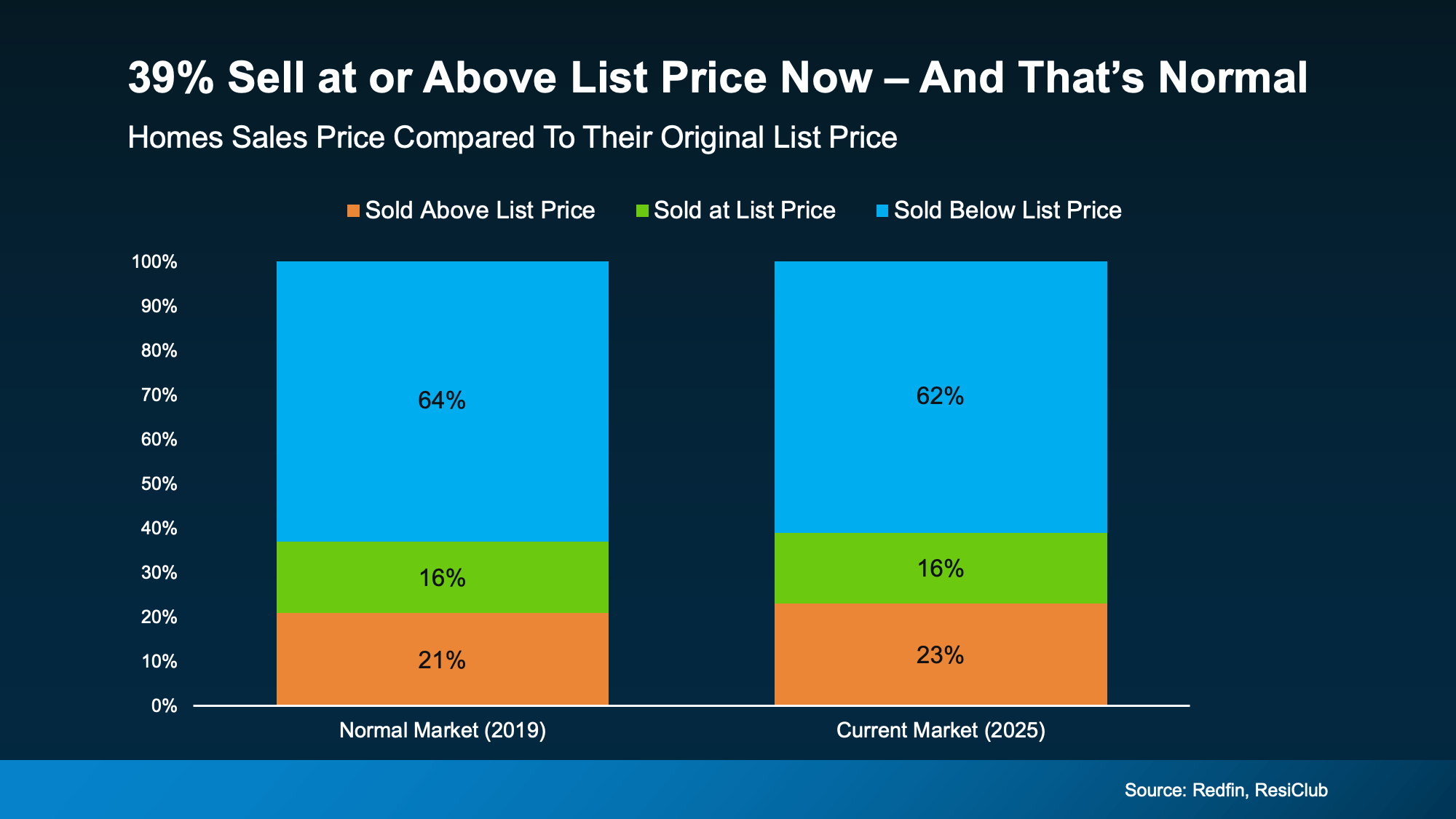
Back then, pricing high often worked because demand dramatically outweighed supply.
Today? The market is far more balanced.
There are more homes available, buyers have more choices, and rising costs have made people much more cautious about where they spend their money. Buyers now compare listings carefully, analyze value closely, and skip homes that seem overpriced.
Think of it like online shopping. If two nearly identical products appear side by side, but one costs significantly more without offering extra value, which one are you choosing?
Homebuyers think the exact same way.
The Real Danger of Pricing Your Home Too High
Many sellers believe pricing high gives them room to negotiate later. It sounds strategic in theory. But in practice, it often backfires.
Here’s why.
Buyers usually decide within seconds whether a listing feels worth exploring. Your asking price is one of the very first things they notice. If it doesn’t align with comparable homes nearby, many won’t even schedule a showing.
That’s the silent danger of overpricing.
You’re not creating negotiation leverage. You’re eliminating potential buyers before conversations even begin.
And once interest slows down, the problems start piling up fast.
Fewer Buyers Mean Fewer Offers
A home priced above market value naturally attracts less attention. Less attention means fewer showings. Fewer showings typically lead to fewer offers.
And without competition, sellers lose negotiating power.
Ironically, the homes that attract the strongest offers are often the ones priced correctly from the beginning. Why? Because realistic pricing creates urgency and demand.
Buyers start feeling pressure when they see a well-priced property attracting attention from others. That emotional momentum can drive stronger offers and better terms.
Overpriced homes rarely create that kind of excitement.
Why Time on the Market Hurts Your Sale
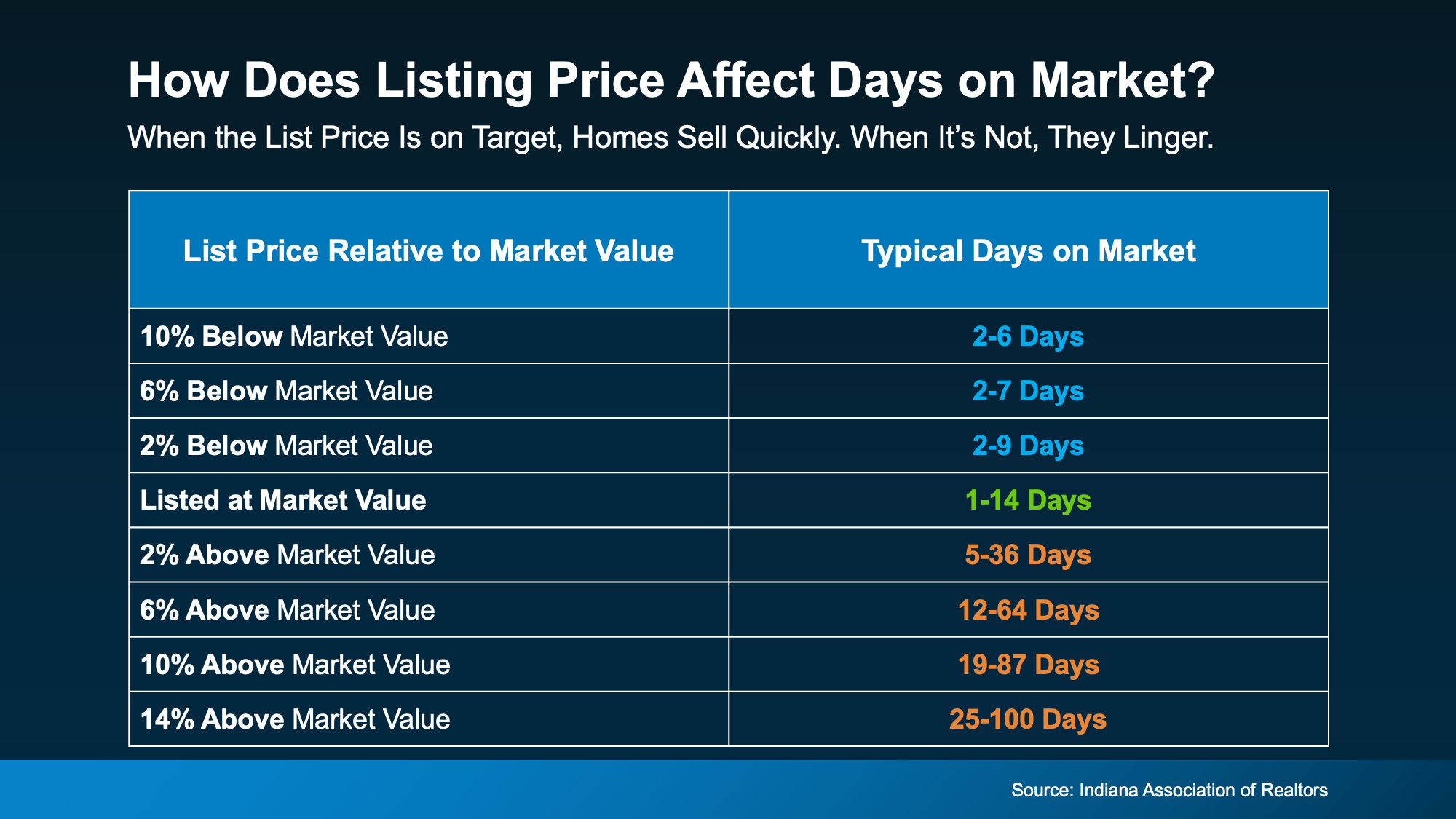
Here’s something many sellers underestimate: the longer a home sits unsold, the more suspicious buyers become.
Fresh listings generate curiosity. Stale listings generate questions.
Buyers begin wondering:
- “What’s wrong with the house?”
- “Why hasn’t it sold yet?”
- “Is the seller difficult?”
- “Will they eventually slash the price?”
This shift in perception matters more than most people realize.
Even if your home is beautiful, clean, and move-in ready, sitting on the market too long can damage its appeal. The listing loses momentum. Buyers lose urgency. And eventually, the seller often feels pressured to reduce the price anyway.
It’s a little like food sitting too long on a grocery shelf. Even if it’s still perfectly good, people instinctively reach for the fresher option.
Real estate works the same way.
The Price Reduction Trap
Once a listing goes stale, many homeowners resort to price cuts to attract attention again.
And yes, price reductions are common in today’s market.
But there’s a major downside most sellers don’t anticipate.
Price reductions can unintentionally signal weakness.
Buyers may assume there’s an issue with the property, even when nothing is actually wrong. Some start hunting for flaws. Others wait longer, expecting additional cuts later.
Instead of creating excitement, the reduced price sometimes creates hesitation.
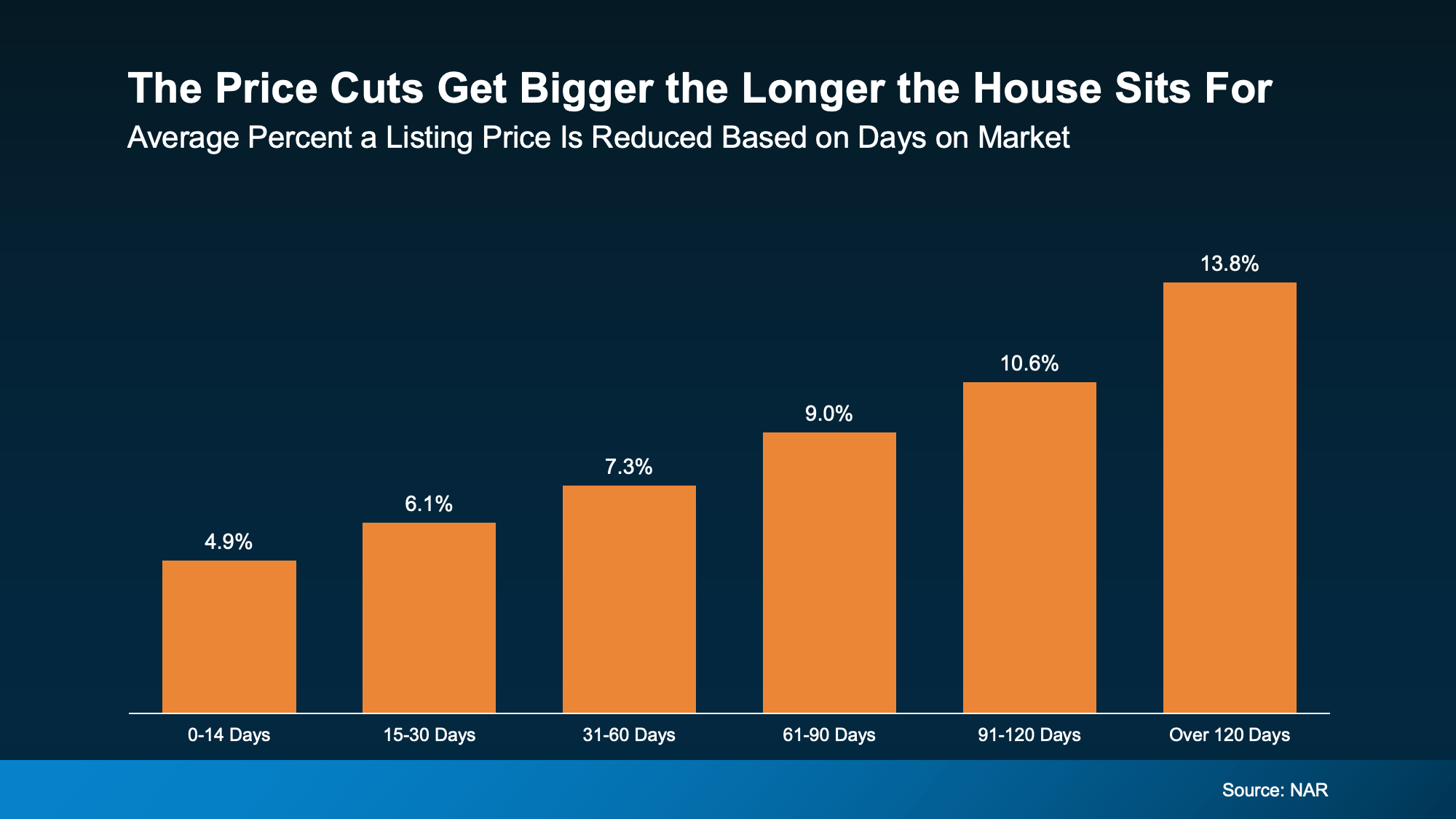
Worse, the longer a property stays unsold, the larger the eventual price reduction often becomes.
What began as an attempt to “leave room for negotiation” can ultimately cost thousands — sometimes tens of thousands — in lost value.
That’s why strategic pricing from day one is so critical.
The “Goldilocks” Pricing Strategy
So what’s the solution?
The smartest sellers aim for what many agents call the “Goldilocks” price — not too high, not too low, but just right.
It may sound counterintuitive at first.
Wouldn’t listing slightly higher maximize profits?
Not necessarily.
The real goal isn’t simply to post the highest possible number online. The goal is to create enough buyer interest to generate strong demand immediately.
And often, pricing at or slightly below true market value achieves exactly that.
Why?
Because buyers perceive the property as competitive and fairly priced. That attracts more traffic, more showings, and potentially multiple offers.
Multiple offers change everything.
Instead of chasing buyers, sellers suddenly have buyers competing for the home. That competition can naturally push the final sale price higher — sometimes even above asking.
It’s a psychological advantage that overpriced homes rarely experience.
Understanding Today’s Buyer Mindset
Modern buyers are incredibly informed.
With online listings, mortgage calculators, neighborhood data, and instant price comparisons available everywhere, buyers can quickly recognize when a home feels overpriced.
They’re also more financially cautious than they were a few years ago.
Higher mortgage rates and rising living expenses have forced many buyers to stick tightly to their budgets. They simply don’t have the flexibility to overpay the way they once did.
That means sellers must adapt.
Success in today’s market depends on understanding what buyers are willing to pay right now — not what sellers wish they would pay.
That distinction matters enormously.
Why the Right Real Estate Agent Matters
Pricing a home correctly isn’t guesswork. It’s strategy.
A skilled real estate agent studies local market trends, analyzes comparable sales, monitors buyer behavior, and understands how to position your property competitively.
The right agent helps answer critical questions like:
- What are similar homes actually selling for?
- How fast are homes moving in your area?
- What features increase buyer demand?
- Where should your home sit within the market range?
Without that guidance, sellers often rely too heavily on emotion or outdated market expectations.
And emotional pricing is dangerous.
Your home may carry years of memories and personal value to you. But buyers evaluate it through a completely different lens. They focus on condition, location, price, and competition.
A knowledgeable agent bridges that gap and helps position your home for maximum success.
The Biggest Myth About Home Pricing
One of the most common myths in real estate is this:
“You can always lower the price later.”
Technically, yes. But by the time you do, you may have already lost your strongest opportunity window.
The first few weeks on the market are often the most important. That’s when buyer interest is highest, online visibility peaks, and serious shoppers are paying attention.
Miss that window with an inflated price, and recovering momentum becomes much harder.
It’s like launching a movie with terrible reviews on opening weekend. Even if the film improves later, public perception has already shifted.
Your listing only gets one chance to make a strong first impression.
How To Price Your Home for Maximum Profit
If you truly want top dollar, focus less on “testing the market” and more on attracting the market.
That means:
- Studying recent comparable sales
- Understanding local inventory levels
- Watching current buyer behavior
- Pricing strategically from day one
- Creating immediate interest and urgency
The homes that perform best are usually the ones that feel like a smart opportunity to buyers the moment they hit the market.
And when buyers feel urgency, sellers gain leverage.
That’s where the magic happens.
Final Thoughts: Price Smart, Sell Faster, Earn More
Many homeowners believe pricing high protects their profit. But in today’s market, it often does the opposite.
Overpricing can reduce buyer interest, extend time on the market, trigger price cuts, and ultimately lead to a lower final sale price.
The most successful sellers understand something important: the right price attracts the right buyers immediately.
And that early momentum can make all the difference.
If you want to sell your home quickly, avoid costly mistakes, and put yourself in the best position possible, pricing correctly from day one isn’t optional — it’s essential.
Recent Posts




GET MORE INFORMATION