What to Expect From the Housing Market in the Second Half of 2026: Trends Every Home Buyer and Seller Should Know

The first half of 2026 hasn't exactly been easy for the housing market. If you've been waiting for the "perfect" time to buy or sell a home, you're certainly not alone. High mortgage rates, stubborn inflation, affordability challenges, and global economic uncertainty have caused many buyers and sellers to press pause on their plans.
So, what happens next?
While no one can predict the future with complete certainty, several key indicators suggest the second half of 2026 could bring renewed momentum to the real estate market. Mortgage rates may finally begin to ease, home sales could rebound, and home prices are still expected to appreciate—just at a healthier and more sustainable pace.
Whether you're planning to purchase your first home, upgrade to a larger property, downsize, or list your current house for sale, understanding these market trends can help you make smarter decisions.
Let's take a closer look at what experts are expecting for the remainder of 2026.
Mortgage Rates May Finally Begin to Ease
For many buyers, mortgage rates have been the single biggest obstacle this year.
When interest rates remain elevated, monthly mortgage payments become more expensive. Even a small increase in rates can significantly reduce purchasing power, forcing many buyers to either delay their plans or search for less expensive homes.
So why have mortgage rates stayed so high?
The answer largely comes down to inflation.
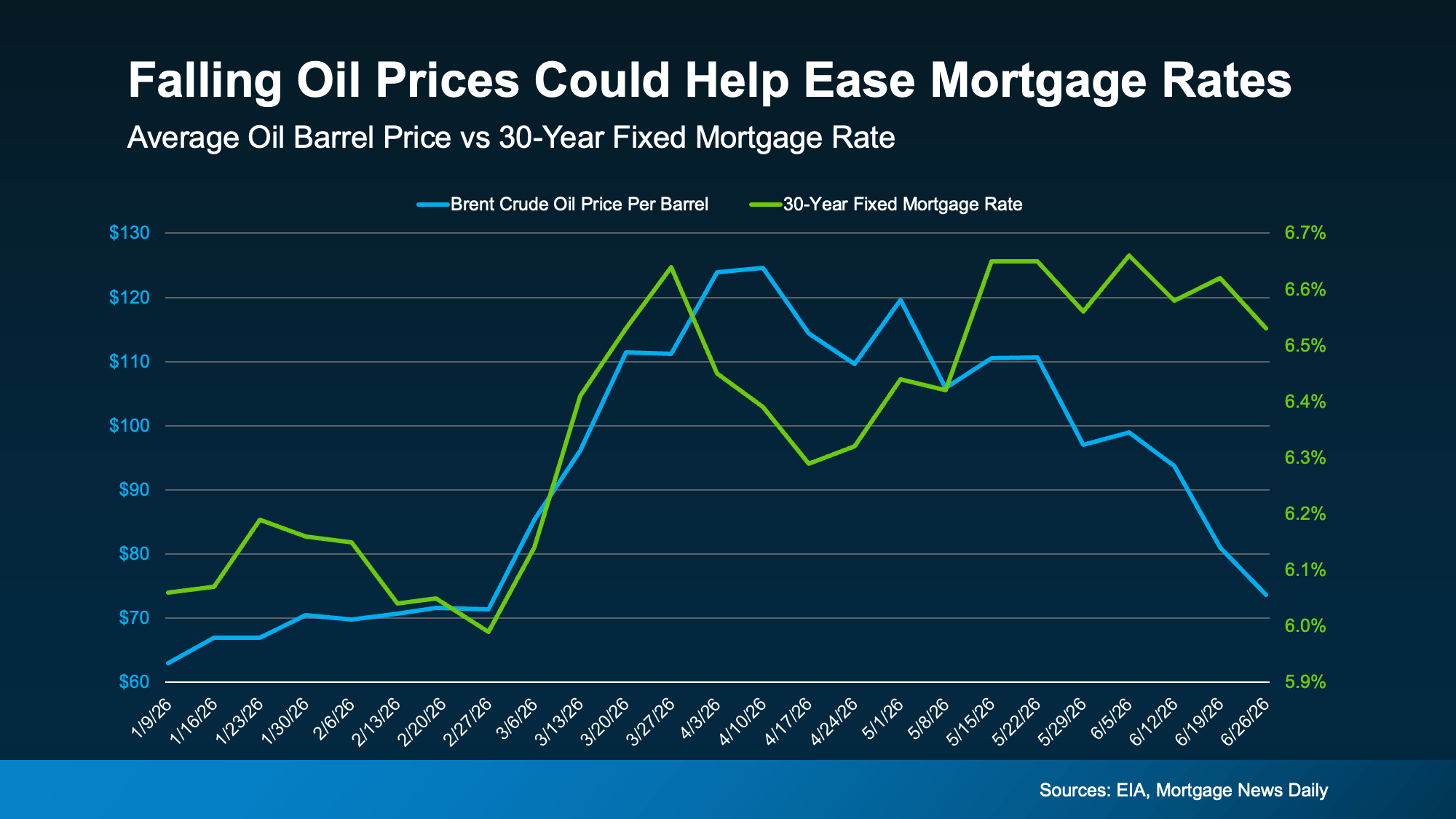
Throughout the first half of the year, inflation remained more persistent than economists expected. Rising energy costs and ongoing geopolitical uncertainty contributed to keeping inflation elevated, making it difficult for mortgage rates to decline.
Fortunately, there are encouraging signs.
Oil prices have already started trending downward, and historically, oil prices and mortgage rates often move in the same direction. As energy prices decrease, inflation typically begins to cool, giving financial markets greater confidence that borrowing costs can gradually come down as well.
That doesn't necessarily mean rates will suddenly drop overnight.
Real estate markets rarely move in straight lines. There will likely continue to be periods of volatility. However, if inflation continues improving and global economic conditions stabilize, many economists believe mortgage rates could decline during the second half of 2026.
For buyers who have been waiting patiently, this could be the opportunity they've been hoping for.
Why Lower Mortgage Rates Matter
A lower mortgage rate isn't just another economic headline—it can have a real impact on your budget.
Think of mortgage rates as the tide in the ocean. When the tide rises, it becomes harder to reach the shore. When it falls, suddenly the journey becomes much easier.
Even a modest reduction in interest rates can:
- Lower monthly mortgage payments
- Increase purchasing power
- Improve affordability
- Encourage more buyers to enter the market
- Boost overall housing activity
As financing becomes more affordable, many people who postponed buying a home may finally feel confident enough to move forward.
Home Prices Are Still Expected to Rise
Many prospective buyers have been hoping home prices would fall significantly before they purchase.
While some local markets have experienced modest price corrections, national forecasts continue to tell a different story.
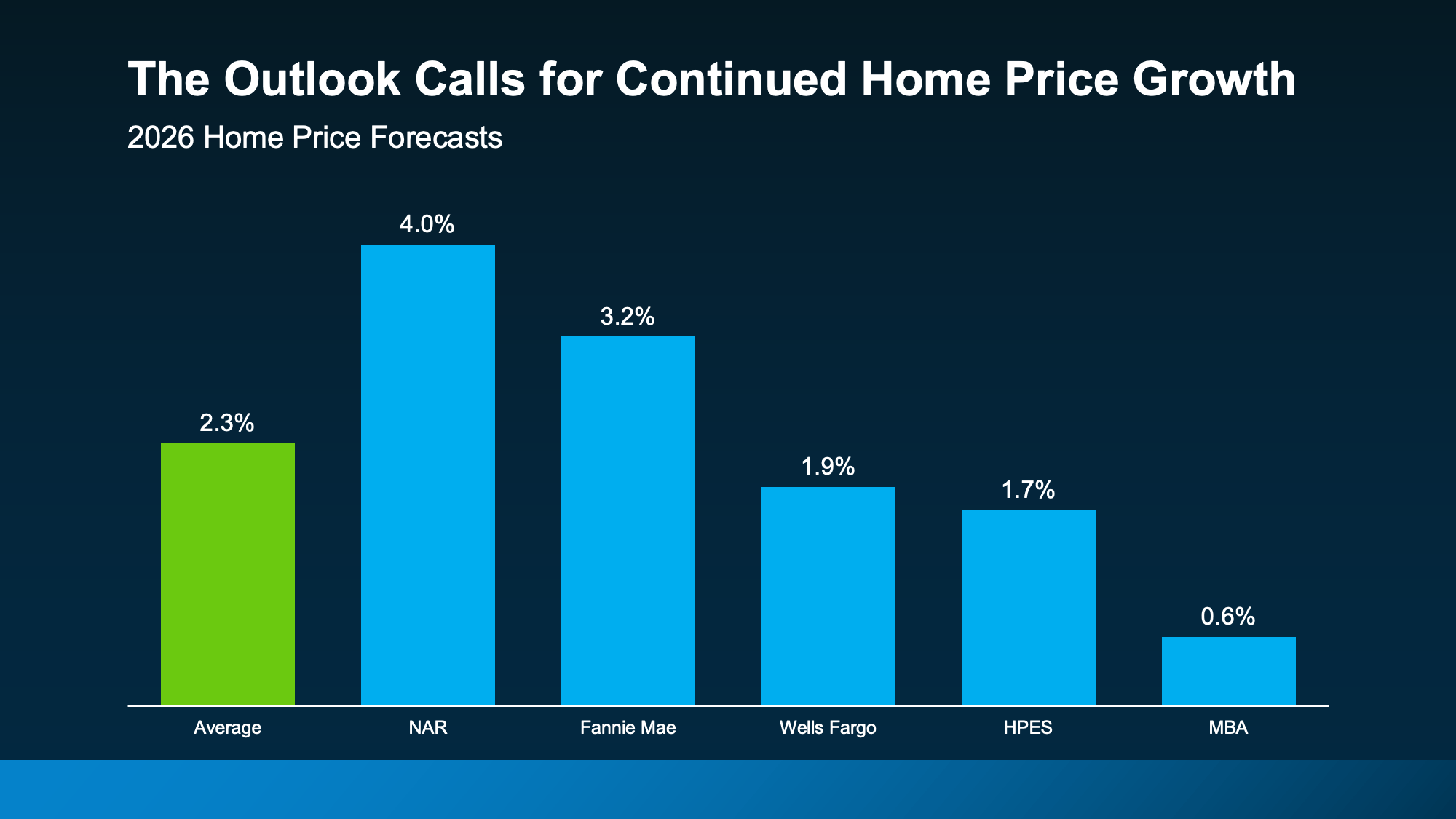
Most housing experts still expect home values to finish 2026 higher than where they started.
Current projections estimate national home prices will increase by approximately 2.3% by year-end.
At first glance, that may not seem like a dramatic gain.
And that's actually good news.
Instead of the rapid appreciation experienced during previous years, today's market is moving toward a more balanced and sustainable pace. Healthy appreciation helps homeowners continue building equity without creating the extreme affordability challenges that accompany runaway price growth.
In other words, the market appears to be normalizing—not collapsing.
Why Home Prices Could Gain Momentum Later This Year
Housing inventory has improved throughout much of 2026.
More homes are available compared to previous years, giving buyers additional choices and reducing some of the intense competition seen during the pandemic housing boom.
However, inventory growth appears to be slowing.
At the same time, if mortgage rates improve, many buyers waiting on the sidelines could quickly return to the market.
Here's where supply and demand come into play.
Imagine a concert with only a limited number of tickets available. As more people decide they want to attend, ticket prices naturally rise.
Real estate works much the same way.
If buyer demand increases while the supply of available homes grows more slowly, modest upward pressure on home prices becomes likely.
This is why waiting doesn't automatically guarantee finding a lower-priced home later.
For buyers, delaying a purchase could mean paying a higher price even if mortgage rates improve.
For homeowners considering selling, this continued appreciation offers reassurance that property values remain resilient.
Home Sales Could Rebound During the Second Half of 2026
If the housing market has felt unusually quiet lately, you're not imagining it.
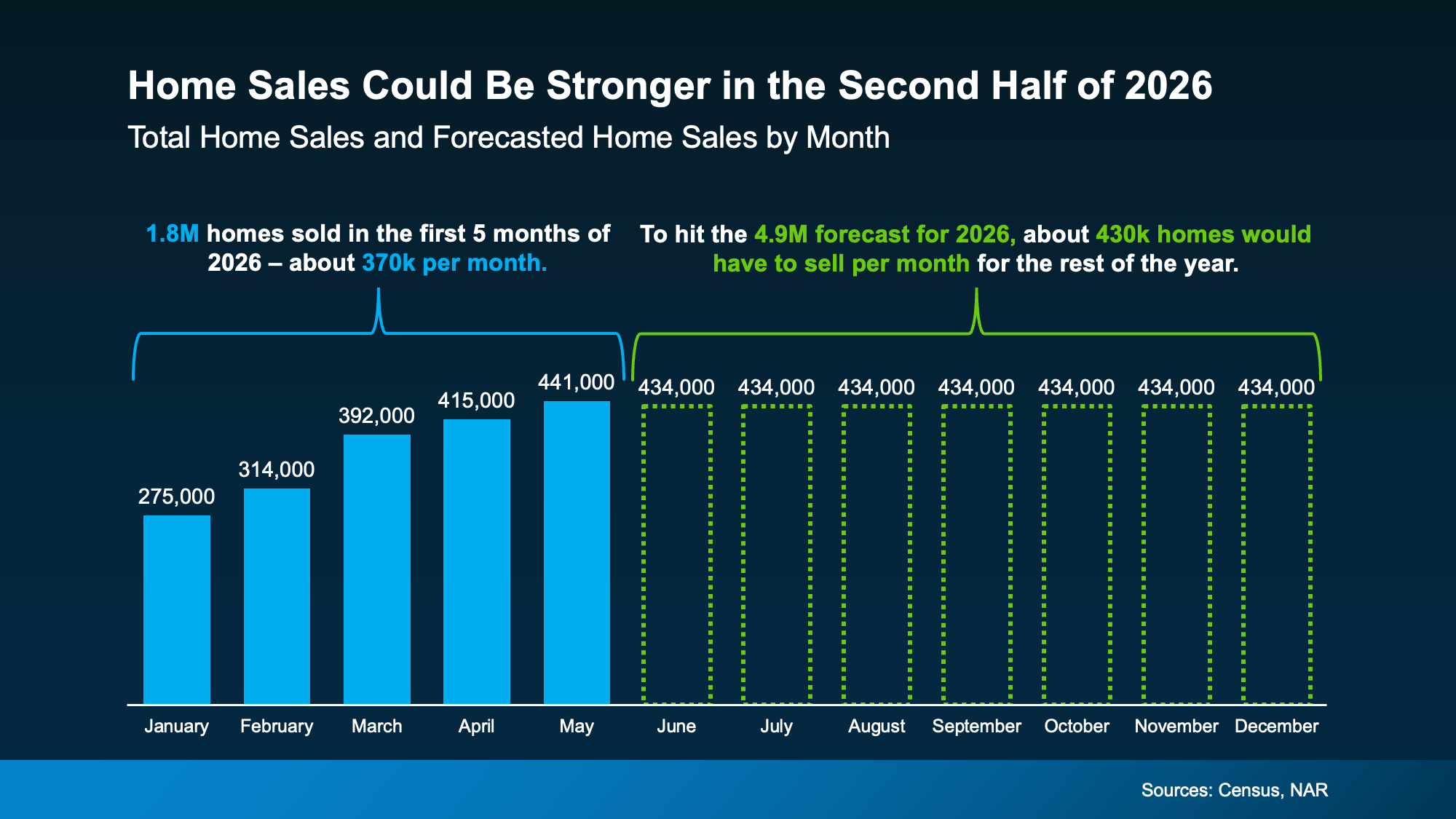
Sales activity during the first half of 2026 fell below what many economists initially expected.
But slower sales don't necessarily mean people have lost interest in homeownership.
Far from it.
Many families still need more space. Others want to relocate for work, move closer to family, retire, or purchase their first home.
The desire to move hasn't disappeared.
Instead, many consumers have simply been waiting for greater financial certainty.
If mortgage rates begin easing and affordability improves, experts expect many of these postponed decisions to finally become reality.
This "pent-up demand" has the potential to create a noticeable increase in housing activity during the remainder of the year.
Buyers Are Waiting for the Right Moment
The current housing market resembles runners waiting at the starting line.
Everyone is prepared.
They're simply waiting for the signal.
For months, buyers have been monitoring interest rates, inflation reports, and economic news before making one of the largest financial decisions of their lives.
Once confidence improves, many of those waiting buyers could enter the market within a relatively short period.
That renewed activity would benefit not only buyers and sellers but also lenders, builders, real estate professionals, and local communities.
What This Means for Home Buyers
If you're thinking about purchasing a home this year, the second half of 2026 could present more favorable opportunities than the first.
Potential benefits include:
- Improved mortgage affordability if rates decline
- More homes available to choose from
- Greater confidence in market conditions
- A healthier, more balanced housing market
However, it's important not to assume prices will become dramatically cheaper.
If home values continue appreciating and buyer demand strengthens, acting sooner rather than later could ultimately save money over the long term.
The best strategy is often focusing on your personal financial readiness rather than trying to perfectly time the market.
What This Means for Home Sellers
Homeowners also have reasons to feel optimistic.
While buyer activity has been slower recently, improving affordability could bring more qualified buyers back into the market.
That means:
- Increased buyer competition
- Continued home value appreciation
- Better selling opportunities
- More successful transactions
If you've been waiting for market conditions to improve before listing your property, the coming months may offer stronger opportunities than the beginning of the year.
Preparing your home now can position you to take advantage of increased demand as market momentum builds.
The Housing Market Is Moving Toward Stability
One of the most encouraging developments isn't explosive growth—it's stability.
The real estate market appears to be transitioning into a healthier environment where buyers have more options, sellers continue building equity, and price appreciation remains sustainable.
That's exactly what many economists have been hoping to see.
A balanced market creates opportunities for everyone instead of favoring only buyers or sellers.
Rather than dramatic swings, the second half of 2026 may deliver something even more valuable: predictability.
Final Thoughts: Is Now the Right Time to Make Your Move?
No housing market is ever perfect.
There will always be economic headlines, changing interest rates, and unexpected events that influence real estate. But based on current forecasts, the outlook for the second half of 2026 appears considerably more encouraging than the first.
Mortgage rates may gradually decline. Home sales are expected to gain momentum. Home prices are projected to continue rising—but at a pace that supports long-term market health rather than unsustainable growth.
If you've been waiting for clearer signals before buying or selling, those signs may finally be emerging.
Every real estate market is unique, and local conditions can vary significantly from national trends. That's why understanding what's happening in your specific area is just as important as following national forecasts.
Whether you're buying your first home, upgrading to a larger property, downsizing, or preparing to sell, staying informed and working with a knowledgeable real estate professional can help you make confident decisions.
The second half of 2026 may not be perfect—but it could be the opportunity many buyers and sellers have been waiting for.
Recent Posts







GET MORE INFORMATION