The House That Started It All Could Be the Key to Your Next Dream Home
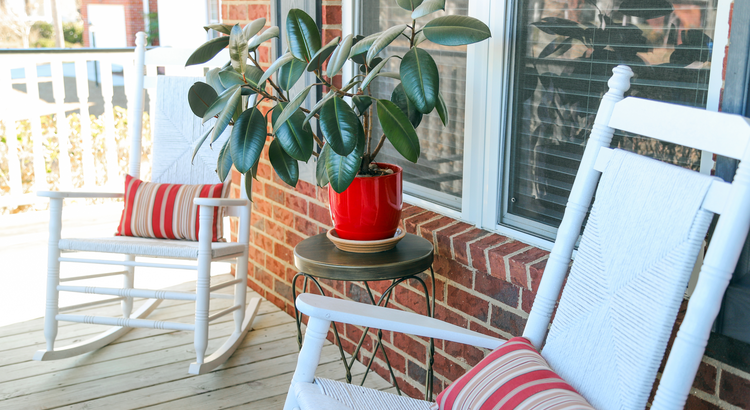
Buying your first home is one of life's biggest milestones. It's more than just receiving a set of keys—it's the beginning of a new chapter. Maybe it's where you celebrated your first holidays as a homeowner, welcomed your growing family, or created memories you'll cherish forever.
But here's something many homeowners eventually realize: your first home was never meant to be your last.
As your career grows, your family expands, and your lifestyle changes, your housing needs naturally evolve too. The home that once felt perfect may now feel a little too small, too far from work, or simply no longer aligned with your future.
The good news? If you've been thinking about moving into a larger home, today's housing market may offer more opportunities than you expect.
Why Your Starter Home Is More Valuable Than Ever
One of the biggest challenges in today's real estate market isn't finding luxury homes—it's finding affordable starter homes.
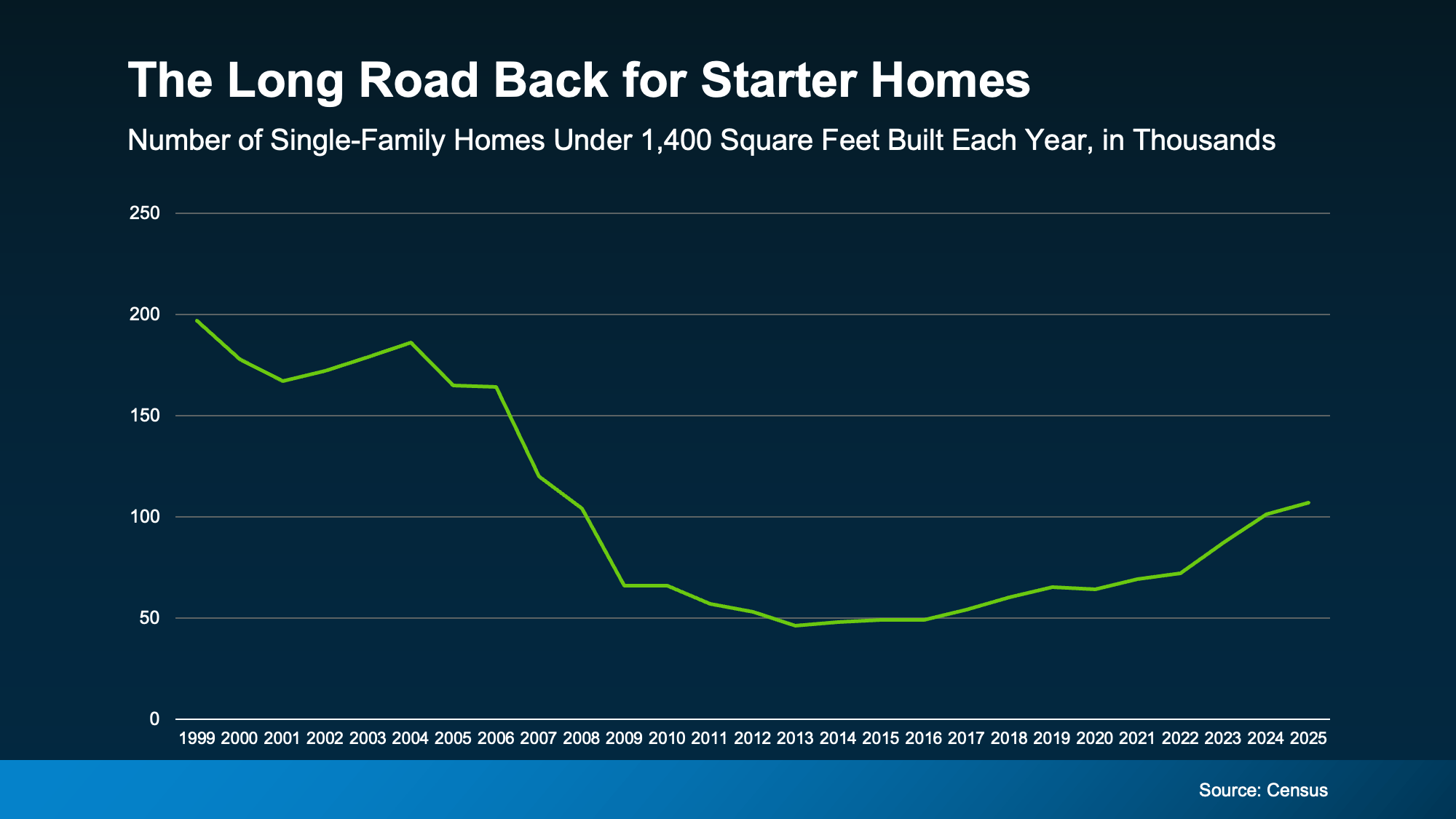
For years, builders struggled to keep pace with demand for entry-level housing. Although new construction has recently shifted toward smaller, more affordable homes, inventory still hasn't fully recovered. As a result, first-time buyers continue competing for a limited number of available properties.
That's excellent news if you're already a homeowner.
Because starter homes remain in short supply, buyers are actively searching for properties just like yours. High demand often translates into stronger selling potential, giving you a significant advantage if you're ready to make your next move.
Think of it this way: your first home has quietly transformed into one of the market's most sought-after assets.
More Move-Up Homes Are Finally Becoming Available
Selling is only one side of the equation. The bigger question many homeowners ask is:
"If I sell my home, will I be able to find another one?"
Fortunately, today's market is beginning to provide encouraging answers.
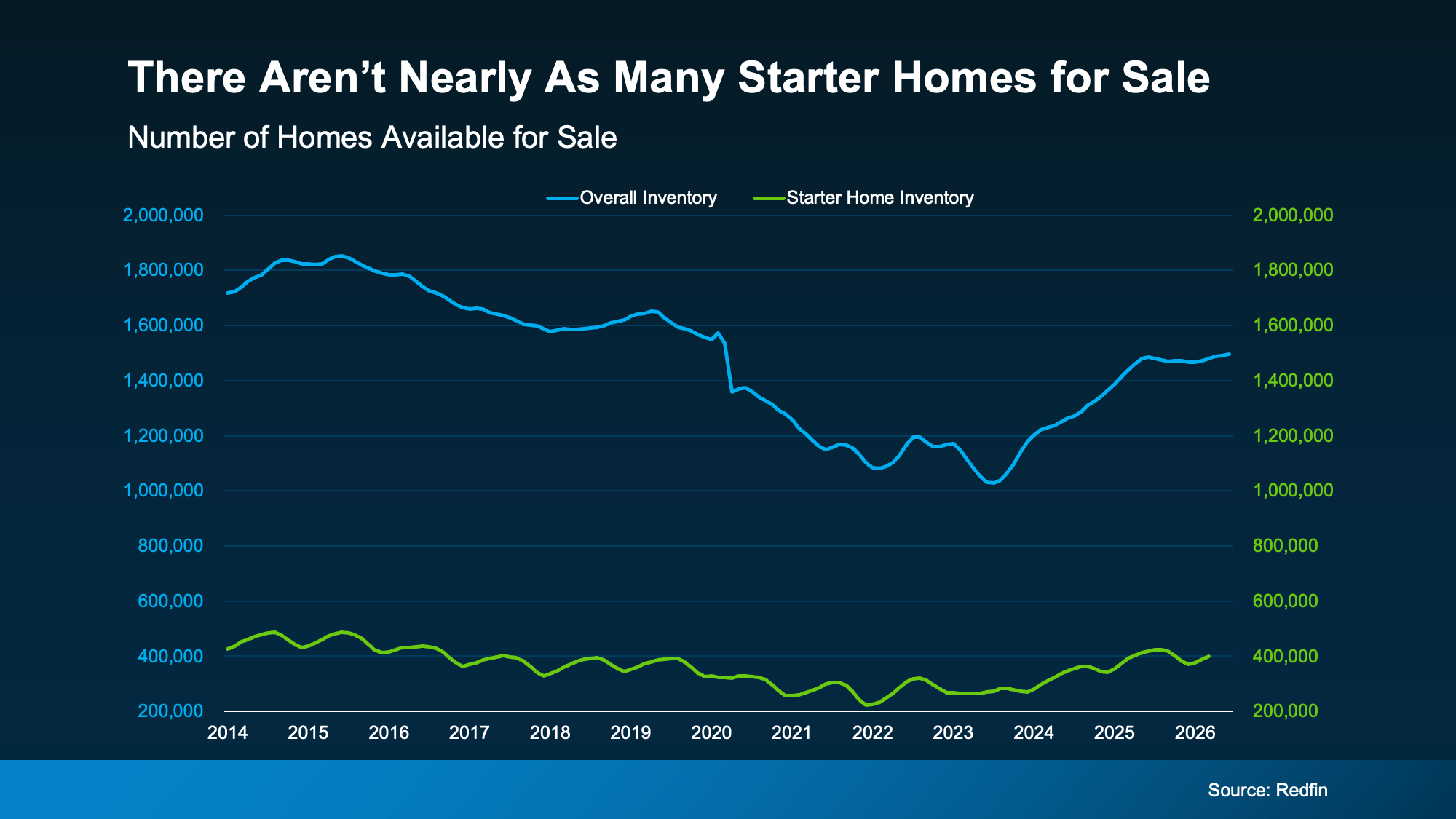
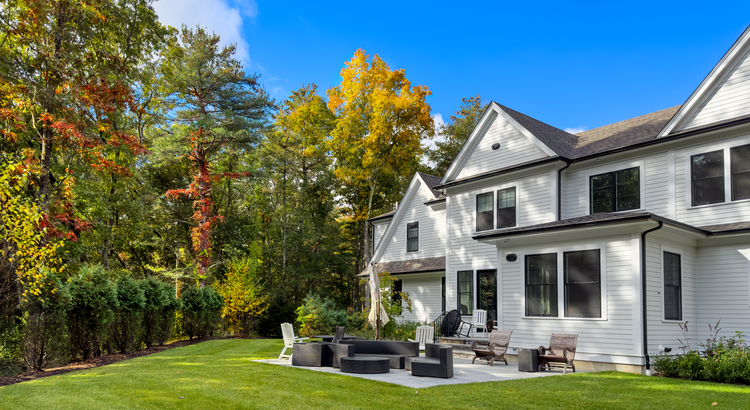
While affordable starter homes remain scarce, inventory in higher price ranges has steadily increased. This means homeowners looking to upgrade now have considerably more options than they did just a year or two ago.
Whether your priorities include:
- An extra bedroom for a growing family
- A dedicated home office
- A larger backyard
- A better school district
- A modern kitchen
- More privacy
- Space for hobbies or entertaining
...the chances of finding a home that fits your evolving lifestyle have improved significantly.
Instead of settling, many buyers are finally discovering homes that truly match their long-term goals.
Today's Market Creates a Rare Opportunity for Move-Up Buyers
Every housing market has its unique advantages.
Today's market happens to favor homeowners looking to transition from a starter home into something larger.
Why?
Because demand and supply are working together in an unusual way.
Your current home is exactly what many first-time buyers desperately need. Meanwhile, the inventory of larger homes has grown enough to provide greater selection for buyers looking to upgrade.
This creates a rare balance where you may be able to:
- Sell your home at a competitive price.
- Enjoy more choices when shopping for your next property.
- Negotiate more effectively on larger homes with increased inventory.
It's not often that both sides of the transaction align this well.
Home Equity Could Be Your Greatest Financial Advantage
Perhaps the most overlooked benefit of homeownership isn't the house itself—it's the wealth you've been building over time.
Every monthly mortgage payment has increased your ownership stake. At the same time, years of home appreciation have likely boosted your property's overall value.
That's called home equity, and it can become one of your most powerful financial tools.
For many homeowners, accumulated equity represents a substantial amount that can dramatically reduce the cost of purchasing their next property.
Your equity may help you:
- Make a larger down payment
- Lower your monthly mortgage payment
- Reduce the amount you need to finance
- Improve your buying power
- Strengthen your offer in competitive situations
Instead of starting from scratch, you're building upon years of financial progress.
It's like climbing a staircase—you don't return to the first step every time you move upward.
Why Waiting Might Not Be Necessary
Many homeowners postpone moving because they assume upgrading is financially out of reach.
But assumptions don't always reflect reality.
If you've owned your home for several years, the combination of:
- rising property values,
- accumulated equity,
- continued demand for starter homes, and
- increasing inventory in move-up homes,
may have changed your financial position more than you realize.
The home that once stretched your budget could now become the very asset that helps finance your next chapter.
Rather than asking, "Can I afford to move?" it may be worth asking, "What could my current home make possible?"
The answer might surprise you.
Signs You've Outgrown Your Starter Home
Still wondering whether it's time?
Here are a few indicators that your current home may no longer fit your lifestyle:
Your Family Has Grown
More people often means more bedrooms, more storage, and more living space.
You Work From Home
A kitchen table office may have worked temporarily, but a dedicated workspace can dramatically improve productivity.
Storage Has Become a Constant Challenge
If closets are overflowing and the garage barely fits your car, extra square footage can make everyday living much easier.
You Want Better Amenities
Perhaps you're looking for newer neighborhoods, improved schools, walking trails, larger lots, or easier access to shopping and recreation.
Your Financial Situation Has Improved
Career advancement and increased income often open doors that weren't available when you purchased your first home.
Life changes—and your home should evolve with it.
Making the Transition Smooth and Strategic
Upgrading doesn't simply mean buying a bigger house. It means making a thoughtful decision that supports your long-term goals.
Before listing your current home, it's important to:
- Understand your home's current market value.
- Estimate how much equity you've built.
- Explore financing options.
- Determine your ideal timeline.
- Identify neighborhoods that fit your future lifestyle.
- Work with an experienced real estate professional who understands local market trends.
Planning ahead helps eliminate surprises and gives you confidence throughout the buying and selling process.
Your First Home Has Already Done Its Job
When you bought your first home, it gave you far more than four walls and a roof.
It gave you stability.
It gave you memories.
It gave you financial growth.
Most importantly, it gave you a foundation for whatever came next.
Now, that same home could help open the door to a property that's better suited for where life has taken you.
Sometimes the house that started your journey becomes the very thing that helps you continue it.
Final Thoughts: Your Next Chapter May Be Closer Than You Think
Your starter home was never meant to hold every chapter of your life—it was meant to launch your journey.
If your lifestyle has changed, your needs have grown, or you've simply been dreaming of more space, this could be the perfect time to explore your options. Strong demand for starter homes, increasing inventory in move-up properties, and the equity you've built over the years can work together to make your next move more attainable than you imagined.
Every home tells a story. Your first home told the story of where it all began.
Now it may be time to write the next chapter.
Whether you're curious about your home's value or wondering how far your equity could take you, connecting with a trusted real estate professional can help you understand your options and make your next move with confidence.
Recent Posts





GET MORE INFORMATION