Why Home Builders May Be More Willing to Negotiate Than Homeowners

Buying a home is one of the biggest financial decisions you'll ever make. Naturally, you want to find the right property at a price that fits your budget. But what if the best opportunity isn't a traditional home sale? What if it's a newly built house that a builder is eager to sell?
Here's something many homebuyers overlook: when the housing market slows down, homeowners and home builders don't always react the same way.
Imagine you're selling your house, but buyers aren't making the offers you expected. You might decide to take your property off the market, stay where you are, and wait for better conditions. After all, if you don't need to sell immediately, waiting could make sense.
Home builders, however, face a different situation.
They've already spent money on land, construction materials, labor, and other expenses. Once a house is finished, they need to find a buyer to recover those costs and keep their business moving. Every completed property that remains unsold ties up money that could otherwise be used for another project.
That's an important difference. While some homeowners can afford to wait, builders may have stronger reasons to negotiate and close deals sooner.
For homebuyers, this could create an opportunity to negotiate a better deal, reduce upfront expenses, or secure valuable extras when purchasing a newly built home.
Why a Slower Housing Market Can Create Opportunities for Homebuyers
When the housing market slows down, buyers often become more cautious. Higher mortgage rates, rising living expenses, and uncertainty about the economy can make people think twice before committing to a home purchase.
As a result, fewer buyers may be ready to make offers, leaving sellers with fewer opportunities to complete a sale.
According to the National Association of Realtors (NAR), pending home sales fell by 7.3% in September 2026 and were down 11.3% compared with the same month the previous year. Pending home sales refer to properties that have gone under contract but have not yet completed the closing process.
Although this report focuses on existing homes rather than newly constructed properties, it provides insight into the challenges facing the broader housing market.
The new-home market is experiencing its own difficulties.
The National Association of Home Builders (NAHB) reported that builder confidence dropped to 29 in October 2026, reaching its lowest level since June 2012. Traffic from prospective buyers also fell to its lowest level in more than a decade, excluding the beginning of the COVID-19 pandemic.
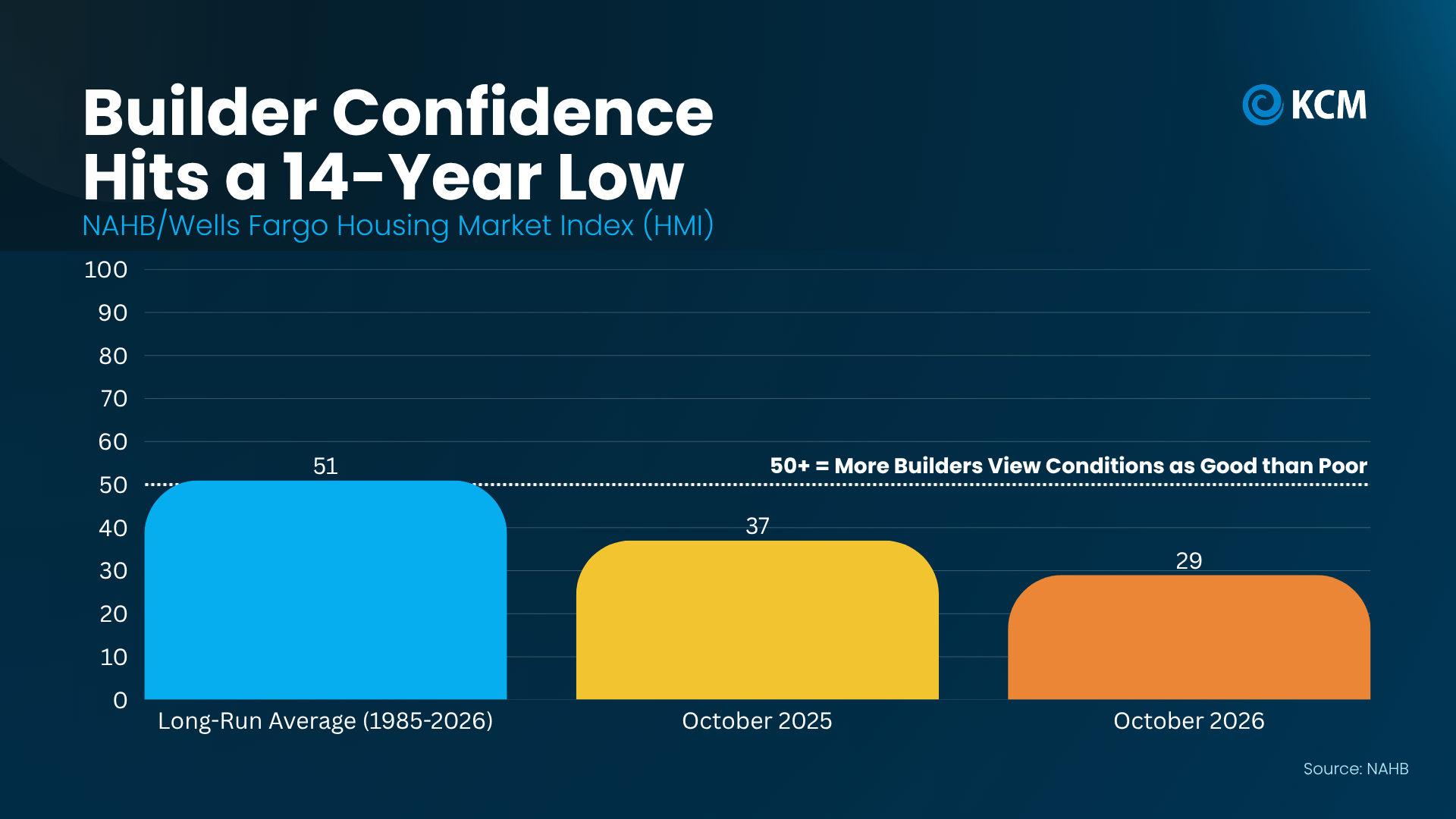
NAHB Chief Economist Robert Dietz explained that demand remained present, but higher mortgage rates, increased construction costs, and weaker consumer confidence were keeping more buyers on the sidelines.
What does this mean if you're planning to buy a home?
When fewer buyers are entering the market, builders may need to work harder to attract the people who are still shopping. They might introduce special promotions, reduce prices, or offer financial assistance to make their properties more appealing.
A slower market doesn't automatically mean every home is a bargain, but it can give prepared buyers more room to explore their options and negotiate.
Why Builders May Be More Motivated to Sell Than Homeowners
One of the biggest differences between individual homeowners and builders is the way they manage their properties.
A homeowner selling a personal residence may have several options. If offers are too low, they can reject them and continue living in the house. They might also rent out the property or postpone selling until market conditions improve.
Builders don't always have that flexibility.
1. Completed Homes Tie Up Money
Building a home requires a substantial investment. Builders spend money on land, labor, materials, permits, and other construction expenses long before a buyer moves in.
Once construction is complete, an unsold property represents money that hasn't yet been recovered through a sale.
The longer the house remains on the market, the longer that investment stays tied up. Depending on the property's financing and circumstances, the builder may also face expenses related to loan interest, property taxes, insurance, maintenance, and other carrying costs.
Selling the home allows the builder to recover funds and put that money toward future projects.
2. Builders Need to Keep Projects Moving
For many construction companies, selling homes isn't just about completing one transaction. It's part of a larger business plan.
Builders may have several developments underway, with new properties scheduled for construction and other projects waiting for funding. Slow sales can make it harder to maintain that schedule.
By offering incentives or negotiating with buyers, builders may be able to sell existing inventory and keep their operations moving.
3. Unsold Inventory Can Become More Expensive Over Time
A completed house doesn't stop costing money simply because nobody lives in it.
Builders may need to maintain the property, keep utilities running when necessary, protect it from damage, and prepare it for showings. These expenses can accumulate while the home remains unsold.
This is why a builder with several completed properties may be more willing to consider a reasonable offer than one with limited inventory and strong buyer demand.
Of course, not every builder is under financial pressure, and some have little reason to negotiate. Still, understanding these differences can help you identify situations where asking for a better deal makes sense.
Home Builders Are Offering More Incentives to Attract Buyers
If you've always assumed that new-home prices are nonnegotiable, it may be time to reconsider.
Builders can use different strategies to make their properties more attractive, particularly when buyer demand weakens.
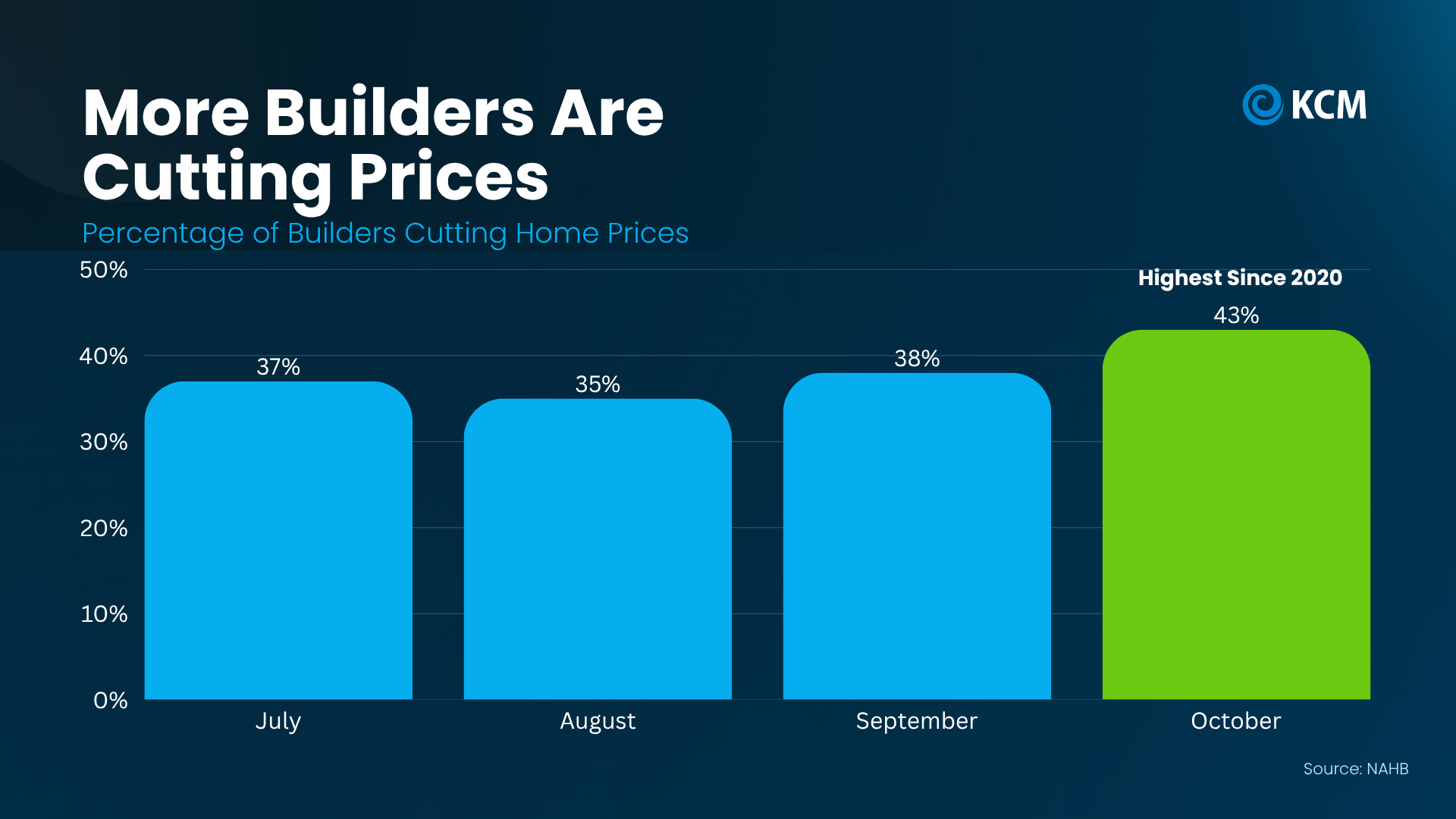
According to the NAHB's October 2026 report, 65% of builders were offering sales incentives, while 43% were reducing prices. The share of builders cutting prices was the highest recorded between 2020 and 2026.
The report also indicated that builders were typically reducing prices by around 6%.
These figures suggest that some builders are already adjusting their selling strategies to attract buyers.
However, a discount doesn't always mean the builder will simply lower the advertised price. In some cases, the better opportunity may come from negotiating other parts of the transaction.
Here are several incentives worth exploring.
Price Reductions
The most straightforward option is asking the builder to lower the home's purchase price.
For example, if a newly constructed house is listed for $300,000, a 5% reduction would bring the price down to $285,000.
That represents a $15,000 difference before considering taxes, financing, or other transaction costs.
This is only an illustration, not a prediction of what a particular builder will accept. Actual prices and discounts depend on the property, location, market conditions, and the builder's financial position.
Still, it shows why even a modest price reduction can make a meaningful difference to your budget.
Mortgage Rate Buydowns
Another option is asking the builder to help reduce your mortgage interest rate.
A mortgage rate buydown involves paying money upfront to reduce the interest rate on a home loan, either temporarily or, depending on the arrangement, for the life of the loan.
Some builders offer financial contributions toward these arrangements through participating lenders.
A lower initial mortgage rate could reduce your monthly payments and make homeownership more affordable, particularly during the early years of your loan.
Before accepting an offer, ask your lender to calculate the monthly payments, total costs, and conditions. A temporary rate reduction may provide short-term relief without permanently lowering your interest rate.
Closing Cost Assistance
Closing costs can add thousands of dollars to the amount you need when purchasing a home.
These expenses may include lender fees, title-related charges, appraisal costs, and other transaction expenses, depending on the location and terms of the purchase.
A builder might offer to cover some eligible closing costs, helping you preserve more of your savings.
For buyers who have enough money for the down payment but limited funds for additional expenses, this type of incentive can be especially useful.
Free Upgrades and Additional Features
Sometimes, a builder may be unwilling to reduce the advertised price but willing to include upgrades.
These could include improved flooring, kitchen features, appliances, landscaping, or other additions that would otherwise cost extra.
Although these benefits don't always reduce your purchase price, they can help you avoid certain expenses after moving in.
The key is to compare the actual value of the upgrades rather than relying on the builder's advertised savings. An incentive is only worthwhile if it provides something you genuinely need or want.
Look for Move-In-Ready Homes That Builders Need to Sell
Want to improve your chances of finding a flexible seller? Start by looking beyond newly announced developments and attractive model homes.
Pay attention to completed properties that are already available for immediate occupancy.
These houses are often called quick move-in homes or spec homes. Builders typically construct them without having a specific buyer committed to purchasing them before construction begins.
Because these properties are already finished or nearly finished, they may offer an opportunity for buyers who want to move sooner rather than wait for a home to be built.
They can also be worth investigating when the builder has several similar properties available.
Why?
A completed home that remains unsold may continue generating carrying costs. If a builder wants to reduce inventory before the next project or reporting period, a qualified buyer with a reasonable offer could become particularly attractive.
However, don't assume that every move-in-ready home will come with a discount. Some properties may be priced competitively from the beginning, while others may be located in areas where demand remains strong.
To make your search more effective, consider these steps:
-
Ask about completed inventory. Find out which homes are finished and ready for occupancy.
-
Compare similar properties. Look at prices, features, locations, and available incentives across different developments.
-
Ask how long the property has been available. A longer listing period may provide useful negotiating context, although it doesn't guarantee flexibility.
-
Compare the total value. Consider the purchase price, financing options, closing costs, and included features.
How to Negotiate With a Home Builder
Once you've identified a promising property, the next step is understanding how to negotiate effectively.
You don't need to make an aggressive offer or assume the builder is desperate to sell. A thoughtful approach can help you understand what's possible without creating unnecessary tension.
Start by Asking the Right Questions
Instead of asking only about the listed price, ask the builder or sales representative what incentives are currently available.
You might ask whether the builder is offering price reductions, mortgage assistance, closing cost contributions, or upgrade packages.
You can also ask whether any incentives apply specifically to completed homes.
These questions help you understand the builder's priorities and identify opportunities you might otherwise miss.
Compare Different Types of Offers
Suppose one builder offers a $10,000 price reduction, while another offers closing cost assistance and a mortgage rate buydown.
Which deal is better?
The answer depends on your financial situation, the loan terms, and how long you expect to own the property.
A lower purchase price may reduce the amount you need to borrow. Closing cost assistance may help you preserve your savings, while a rate buydown may reduce your monthly payments.
Ask your lender to compare the options using actual numbers. That way, you can evaluate the financial impact rather than choosing an offer simply because it sounds attractive.
Work With Your Own Real Estate Agent
Buying directly from a builder doesn't mean you should overlook independent representation.
A real estate agent who understands the local market can help you compare developments, evaluate comparable properties, and identify potential negotiating opportunities.
Your agent may also help you understand the builder's incentives, review contract terms, and coordinate with your lender and other professionals.
Keep in mind that the builder's sales representative works for the builder. Having your own agent can provide a different perspective on the transaction.
If you plan to use an agent, ask about registration requirements before visiting a builder's sales office, since some builders have specific policies regarding buyer representation.
Ultimately, the best negotiation strategy depends on the property, the builder, and your financial goals.
Don't Let Incentives Distract You From the Bigger Picture
Builder incentives can be valuable, but they shouldn't be the only reason you purchase a home.
A property that comes with attractive upgrades may still be overpriced compared with similar homes in the area. Likewise, a low introductory mortgage rate may become less appealing once the temporary discount expires.
Before making a decision, look at the complete financial picture.
Consider the purchase price, mortgage payments, insurance, property taxes, maintenance, and any homeowners association fees that may apply. Make sure the monthly costs fit your budget without leaving you financially stretched.
You should also review the builder's reputation, construction quality, warranty coverage, and the terms of the purchase agreement.
If you're comparing new construction with an existing home, evaluate both options fairly. A newly built property may offer modern features and less immediate maintenance, while an existing home may provide a better location, more space, or a lower overall cost.
The right choice is the one that meets your needs and makes financial sense over the long term.
The Bottom Line: A Motivated Builder Could Mean a Better Deal
When the housing market slows down, not every seller responds in the same way.
Some homeowners can afford to wait for a stronger offer, especially if they don't need to move immediately. Builders, on the other hand, may have completed homes, ongoing expenses, and future projects that make selling sooner more appealing.
That difference can create opportunities for buyers who know where to look.
With more builders offering incentives and some reducing prices, it's worth exploring whether a move-in-ready home could provide better value than you initially expected.
You might secure a lower purchase price, receive help with closing costs, negotiate a mortgage rate buydown, or obtain upgrades that make moving into your new home easier.
The secret is to look beyond the advertised price and ask what the builder is willing to negotiate.
If you're ready to buy, explore completed homes in your preferred area, compare available incentives, and work with a real estate professional who can help you evaluate your options.
Your next home may offer more negotiating room than you think. And with the right information, you can make a confident decision that works for both your lifestyle and your budget.
Recent Posts




GET MORE INFORMATION