How Rent Payments Can Help You Build Credit and Buy Your First Home

Why Renters May Struggle to Qualify for a Mortgage
What is the biggest bill you pay every month? For most renters, the answer is simple: rent.
You work hard to earn money, pay your rent on time, and keep up with your monthly expenses. Month after month, you prove that you can handle a major financial responsibility. But here is the frustrating part: those payments may not appear on your credit report.
If you dream of buying a home someday, this missing information could become a bigger problem than you expect. Even when you have a steady rental history, mortgage lenders may not see enough evidence of your ability to manage credit.
The good news? Things are starting to change. New credit scoring models are making it possible for rental payment history to play a bigger role in determining whether someone qualifies for a home loan.
Let's look at why this matters, how rent reporting works, and what you can do today to prepare for homeownership.
The Credit History Problem Facing First-Time Homebuyers
Saving for a down payment is already a challenge for many aspiring homeowners. Unfortunately, getting approved for a mortgage can be another major obstacle.
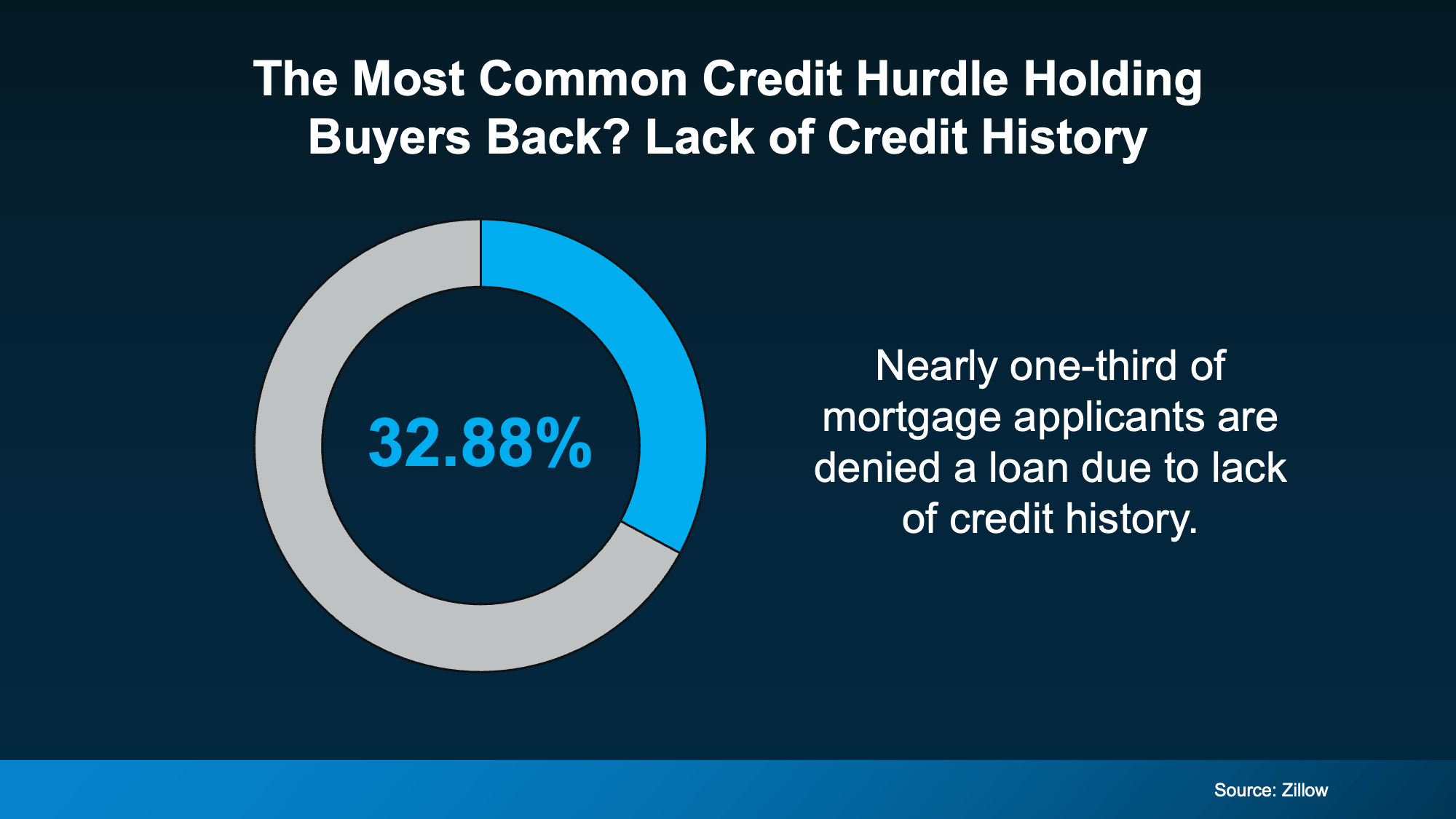
According to Zillow, 32.88% of mortgage applicants are denied because they have insufficient credit history. That makes limited credit history a significant barrier for people trying to purchase a home.
Think about it. You could have a reliable income, pay your rent every month, and manage your everyday expenses responsibly. Yet, if you have little experience using traditional credit products, such as credit cards or loans, lenders may struggle to evaluate your financial habits.
It is like applying for a job when you have the necessary skills but no previous work experience. You might be capable of doing the job, but the person making the decision does not have enough information to feel confident.
That is the problem many renters face. Their payment history tells part of their financial story, but traditional credit reports may leave important details out.
How Rent Reporting Could Change the Homebuying Process
The housing market continues to face affordability challenges, and access to mortgage financing remains an important part of the conversation. One possible solution is to recognize the payments renters already make.
Michael Sherman, General Manager and Senior Vice President at Zillow Rentals, has highlighted rent reporting as a way to help address credit barriers that prevent potential buyers from obtaining financing.
The idea is straightforward: when renters consistently pay their rent on time, that positive history could be included in their credit information.
Some newer credit scoring models can consider rental payments and, in certain cases, utility payment data. This gives lenders a broader picture of how people manage their financial responsibilities.
VantageScore, for example, offers a credit scoring model known as VantageScore 4.0. The model has been approved for use within the Federal Housing Finance Agency's credit scoring framework.
Research from VantageScore also suggests that including positive rental payment information could help millions of renters become eligible for mortgage financing. One study estimated that nearly four million U.S. renters could potentially qualify for a mortgage if their on-time rent payments were included in their credit history.
Of course, this does not mean every renter will automatically qualify for a home loan. Mortgage approval still depends on several factors, including income, existing debts, creditworthiness, and the lender's requirements.
However, recognizing rent payments could help some renters overcome one important obstacle: having too little credit history.
Why Your Rent Payments May Not Count Automatically
You might assume that paying thousands of dollars in rent every year would automatically improve your credit score. Unfortunately, that is not always how the system works.
Many landlords and property managers do not report rental payments to credit bureaus. As a result, even years of consistent payments may not appear on your credit report.
The good news is that you may have options to get those payments recognized. The key is to take the initiative rather than assume your rental history is already being recorded.
Here are some practical steps you can follow.
1. Ask Your Landlord About Rent Reporting
Start by contacting your landlord or property manager. Ask whether they report rental payments to any of the major credit bureaus.
If they already offer this service, find out whether you need to register or provide additional information. You should also ask which credit bureaus receive the data and whether there are any fees.
If rent reporting is available, enrolling could help your payment history become part of your credit profile.
2. Consider a Rent Reporting Service
What if your landlord does not offer rent reporting? You may be able to use a third-party service that reports eligible rental payments to credit bureaus.
Before signing up, compare your options carefully. Some services charge enrollment fees or monthly payments, while others may have different eligibility requirements.
Check which credit bureaus each service reports to, whether it can include previous rental payments, and how the information may affect your credit profile.
Remember, paying for a service does not guarantee a higher credit score or mortgage approval. Choose an option that makes financial sense for your situation.
3. Review Your Credit Reports for Errors
Your credit report is an important part of your financial profile, so make sure the information it contains is accurate.
Incorrect balances, unfamiliar accounts, and outdated information can affect how lenders evaluate you. Review your reports regularly and dispute any errors you find.
The Consumer Financial Protection Bureau provides guidance on disputing mistakes on credit reports. Correcting inaccurate information may help ensure that lenders see a more accurate picture of your financial history.
4. Pay Every Bill on Time
Consistency matters when building a strong credit profile.
Make payments by their due dates, including credit card bills, loan installments, and other reported obligations. If you have trouble remembering payment dates, consider setting up reminders or automatic payments.
Late payments on accounts that are reported to credit bureaus can damage your credit standing. Building good habits now can help you demonstrate responsible financial management over time.
5. Keep Your Credit Card Balances Low
If you already have a credit card, try not to use too much of your available credit.
For example, if your credit limit is $1,000, carrying a balance of $900 means you are using 90% of your available credit. A high credit utilization ratio can negatively affect many credit scores.
Keeping your balances low and paying your bills on time can help you develop healthier credit habits.
You should also avoid applying for several new credit accounts within a short period unless there is a good reason to do so.
6. Build Credit Beyond Your Rental History
Rent reporting can help, but it does not have to be your only strategy.
Depending on your circumstances, a secured credit card may help you establish credit. These cards typically require a refundable security deposit and can be useful for people with limited credit history.
Another option may be becoming an authorized user on a trusted person's credit card. However, the account's payment history and balance management can influence the results, and not every card issuer reports authorized users in the same way.
Before choosing either option, understand the terms and potential risks. You do not need to take on unnecessary debt just to build credit.
Also, avoid closing established credit accounts without considering the possible effects on your credit profile. The impact depends on the type of account and the scoring model being used.
Does a Strong Rental History Guarantee Mortgage Approval?
No. Although rent reporting may improve how lenders evaluate some applicants, it is only one part of the mortgage approval process.
Lenders generally consider several factors when deciding whether to approve a home loan. These may include your credit score, income, employment stability, existing debts, down payment, and the property's value.
For example, someone with years of on-time rent payments may still struggle to qualify if their income is insufficient for the mortgage they want or if they have substantial outstanding debt.
Likewise, reporting rent payments does not guarantee that every lender will use the information or that every credit scoring model will produce the same result.
That is why it is important to understand your complete financial situation rather than focus on one number or payment history.
The goal is to build a credit profile that demonstrates your ability to manage financial responsibilities while preparing for the costs of owning a home.
Start Preparing for Homeownership Today
You do not have to wait until you have enough money for a down payment before thinking about your credit.
Start by checking your credit reports, reviewing your monthly budget, and asking your landlord about rent reporting. If you have existing credit accounts, make sure they are in good standing and that you understand how to manage them responsibly.
You can also speak with a mortgage lender or loan officer to learn what you may need to qualify for a home loan. They can explain common requirements, identify areas that need improvement, and help you develop a realistic timeline.
If you are not ready to apply yet, that is perfectly fine. Getting advice early can help you avoid surprises later.
Most importantly, remember that preparing to buy a home is a process. Every responsible financial decision you make today can help you work toward your future goals.
Bottom Line: Make Your Rent Payments Work for Your Future
Paying rent on time shows that you are meeting an important financial responsibility. Yet, for many renters, that history has not always been reflected in their credit reports.
As credit scoring models evolve, rental payment reporting may give more aspiring homeowners an opportunity to establish credit and qualify for mortgage financing. But the benefits are not automatic, and you still need to take practical steps to strengthen your financial profile.
Ask about rent reporting, check your credit reports, maintain good payment habits, and explore your mortgage options before you are ready to buy.
You may be closer to your homeownership goal than you realize. A conversation with a qualified loan officer can help you understand where you stand, what you need to improve, and which steps to take next.
Your rent may be paying for the home you live in today. With the right preparation, your payment history could also help you work toward owning a home of your own tomorrow.
Recent Posts









GET MORE INFORMATION