The Home Insurance Strategy That Could Save Homeowners $440 a Year
Buying a home is an exciting milestone, but owning one comes with plenty of expenses. From monthly mortgage payments to property taxes, maintenance, and utility bills, every cost matters. One expense that homeowners should not overlook is home insurance. Although it helps protect one of your biggest investments, rising insurance premiums can make owning a home more expensive than expected.
The good news? Recent housing data suggests that home insurance costs are not increasing as quickly as they were before. Even better, homeowners may have an opportunity to lower their premiums simply by comparing insurance providers.
According to Intercontinental Exchange (ICE), home insurance now accounts for approximately 9.6% of the average monthly mortgage payment. That is a significant portion of a homeowner's budget. However, understanding the latest insurance trends and knowing where to look for savings can help make monthly housing costs more manageable.
Let's look at what is happening with home insurance and how you could potentially save hundreds of dollars each year.
Home Insurance Premium Increases Are Finally Slowing Down
For the past few years, homeowners have been dealing with steadily increasing insurance costs. Higher repair expenses, expensive building materials, severe weather events, and other factors have contributed to rising premiums. For many households, these increases have made budgeting for homeownership more challenging.
However, recent figures show that the pace of these increases is beginning to slow.
Data from Intercontinental Exchange reveals that home insurance premiums increased by 4.3% in a single quarter during mid-2024. By the second quarter of 2026, that quarterly increase had dropped to just 1.8%.
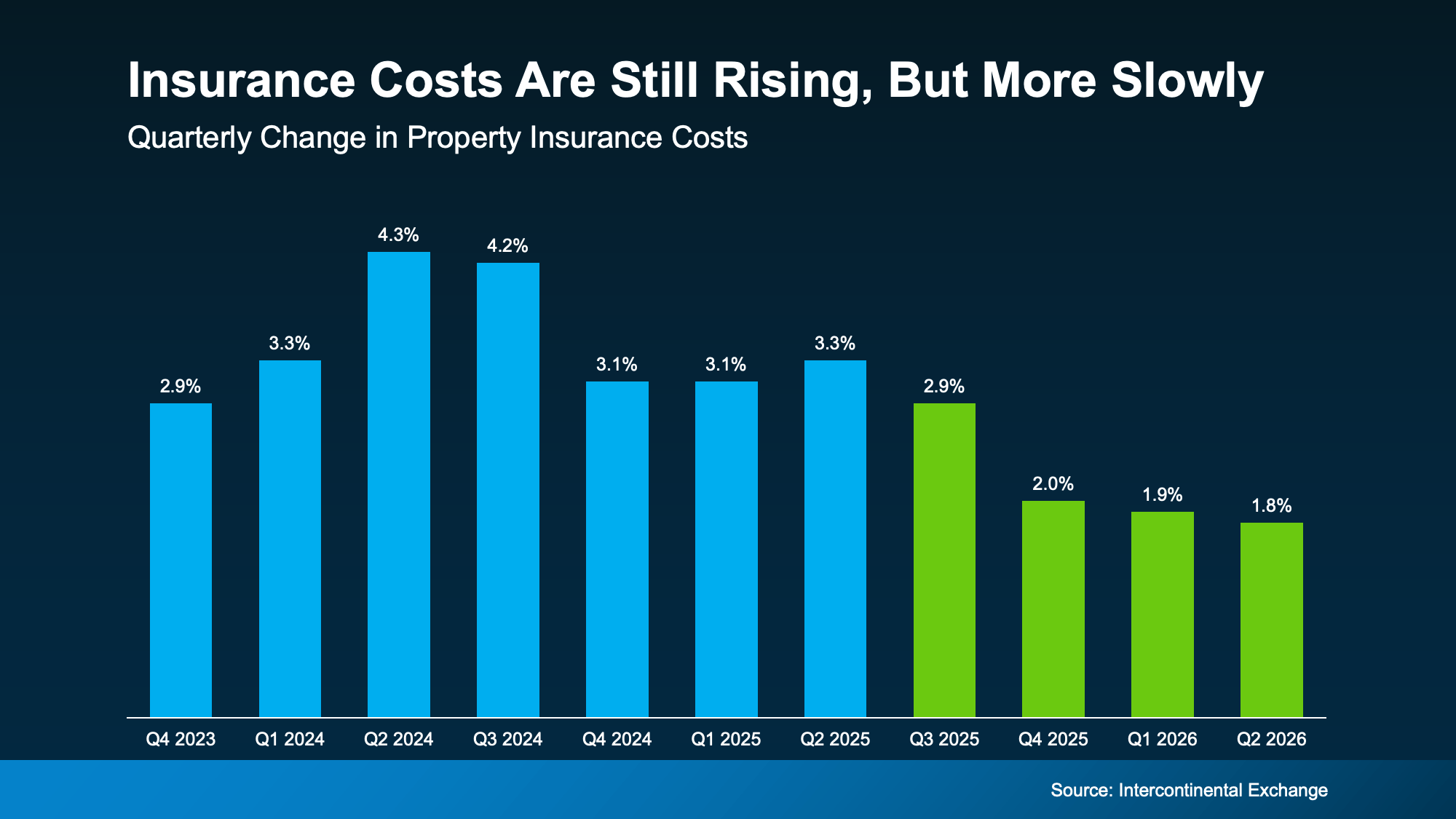
This represents the smallest quarterly increase in almost three years.
While insurance prices are still moving upward, the slower growth is an encouraging development for homeowners. It suggests that the rapid increases experienced in previous years may be starting to ease.
Andy Walden, Head of Mortgage and Housing Market Research at Intercontinental Exchange, explained that property insurance has become a growing part of monthly mortgage payments. However, the latest figures indicate that the rate of increase is finally slowing.
What does this mean for you?
It does not necessarily mean your insurance bill will decrease. Instead, it means your premiums may not rise as quickly as they did in the past. For homeowners already managing several monthly expenses, even slower increases can provide some breathing room.
Shopping Around for Home Insurance Can Save You Money
One of the easiest ways to potentially reduce your home insurance expenses is to compare different providers.
Many homeowners stay with the same insurance company for years because it feels convenient. Once they find a policy that works, they may not think about checking other options. But staying with the same provider does not always mean getting the best price.
In fact, shopping around could make a noticeable difference.
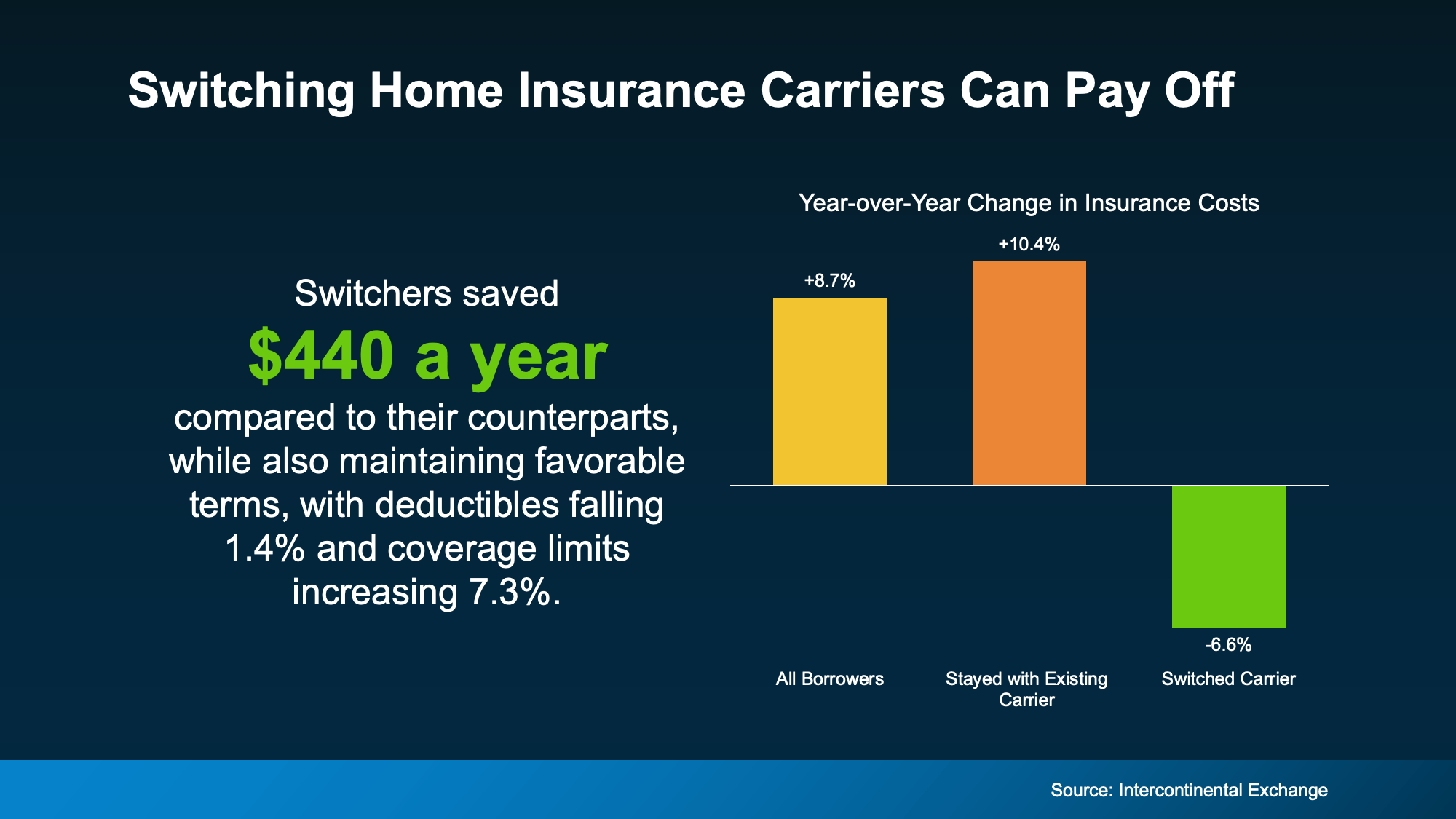
Intercontinental Exchange found that homeowners who switched insurance companies after comparing their options experienced an average premium decrease of 6.6%. Meanwhile, homeowners who remained with their existing insurance providers saw their premiums increase by an average of 10.4%.
That is a considerable difference.
The findings also show that homeowners who switched providers saved approximately $440 annually on average. Even better, these savings did not require them to sacrifice their insurance protection.
Their deductibles actually decreased by 1.4%, while their coverage limits increased by 7.3%.
In other words, some homeowners managed to pay less while receiving better coverage. That is exactly the kind of financial improvement worth looking into.
Of course, individual savings will depend on the property, location, insurance history, and available policies. Not everyone will receive the same results. Still, comparing quotes is a practical step that could help you avoid paying more than necessary.
Why First-Time Homebuyers Should Compare Insurance Quotes
Shopping for insurance is not just important for people who already own a home. First-time buyers should also make it part of their homebuying checklist.
When purchasing your first property, it is easy to focus mainly on the selling price, mortgage interest rate, and down payment. However, insurance is another important expense that can affect your monthly housing budget.
Imagine finding a home that fits your budget perfectly. You have calculated your mortgage payment and prepared for the other expenses. Then, you discover that the insurance premium is higher than expected. Suddenly, your monthly budget becomes much tighter.
That is why it is important to request quotes from multiple insurance companies before choosing a policy.
Here are a few practical ways to make a smarter decision:
-
Compare multiple providers: Do not automatically accept the first insurance quote you receive. Check several companies to see which offers the best combination of price and protection.
-
Review coverage limits: Make sure your policy provides enough protection for your home's structure and belongings.
-
Understand your deductible: A lower premium may come with a higher deductible. Know how much you would need to pay out of pocket before your insurance coverage applies.
-
Ask about discounts: Some insurance companies offer discounts for security systems, safety features, or bundled policies.
-
Read the policy carefully: Check exclusions, limitations, and additional coverage requirements before signing an agreement.
Remember, the cheapest policy is not always the best choice. Your goal should be to find affordable insurance that still provides the protection you need.
Review Your Home Insurance Policy Every Year
Choosing an insurance provider is not something you should do only once. Your financial situation, property value, and insurance needs can change over time.
That is why reviewing your policy every year is a smart habit.
When your renewal date approaches, take some time to compare your existing coverage with other available offers. Check whether your premium has increased, whether your coverage limits are still appropriate, and whether your provider has introduced better options.
You can also contact your current insurance company to ask whether it can offer a more competitive rate. Sometimes, discussing your options with your existing provider may help you find additional savings without switching companies.
Think of your insurance policy like a household budget. You would not ignore a monthly bill that keeps increasing, so why should you overlook your home insurance?
A few minutes of research could help you identify unnecessary expenses and keep your housing costs under control.
The Type of Home You Buy Can Affect Insurance Costs
Your choice of property can also influence how much you pay for home insurance.
According to John Burns Research and Consulting (JBREC), newly built homes are generally 10% to 15% less expensive to insure than older homes across the United States.
Why can newer homes cost less to insure?
One reason is that newly constructed properties often have updated electrical systems, plumbing, roofing, and other essential features. These improvements may reduce the risk of certain problems, such as water damage, electrical fires, and expensive structural repairs.
Newer homes may also follow more recent building standards and include modern safety features. Depending on the property and its location, these characteristics can make a difference when insurance companies calculate premiums.
Older homes, on the other hand, may have aging systems that require more frequent repairs or replacements. If important components have not been updated, insurers may consider the property a greater risk.
However, buying a newly built home does not automatically guarantee lower insurance costs. Location, construction materials, weather risks, property size, and the type of coverage you choose still matter.
A brand-new property may also come with a higher purchase price, so buyers should consider the entire financial picture rather than focusing on insurance savings alone.
Still, if you are open to purchasing a newly constructed home, it may be another option worth exploring when comparing long-term homeownership expenses.
Smart Ways to Keep Your Home Insurance Costs Under Control
Although you cannot control every factor that affects insurance prices, there are several steps you can take to manage your expenses.
Start by keeping your property in good condition. Regular maintenance can help prevent problems that might lead to costly insurance claims. For example, checking your roof, maintaining plumbing systems, and addressing small leaks early can help protect your home from more serious damage.
You may also consider installing safety and security features. Depending on your insurance provider, smoke detectors, burglar alarms, fire protection systems, and other improvements may qualify for discounts.
Another useful strategy is to understand your coverage needs. Make sure you are not paying for unnecessary additions while keeping important protections in place.
Most importantly, avoid making decisions based on price alone. A policy that saves you a few dollars each month may not be worth it if it leaves you financially exposed when something unexpected happens.
The best insurance plan is one that balances affordability with reliable protection.
The Bottom Line: A Simple Insurance Change Could Lead to Big Savings
Home insurance has become a bigger part of the overall cost of owning a home. With premiums increasing over the past few years, it is understandable that buyers and homeowners are paying closer attention to this expense.
Fortunately, recent data from Intercontinental Exchange suggests that premium increases are beginning to slow. That is encouraging news for households trying to manage their monthly housing payments.
But waiting for insurance prices to improve is not the only option. Comparing providers, reviewing coverage, and exploring discounts can help homeowners find opportunities to save.
The average $440 annual savings reported among homeowners who switched insurance companies shows just how valuable shopping around can be. Your actual savings may vary, but checking your options is a simple step that could make a meaningful difference.
Whether you are purchasing your first home or planning your next move, remember to include insurance in your financial planning. Compare several quotes, review your policy every year, and seek advice from trusted local real estate and insurance professionals.
After all, owning a home should be about building a comfortable future, not constantly worrying about rising expenses. Sometimes, a small change in where you get your insurance can make a bigger difference than you might expect.
Recent Posts








GET MORE INFORMATION