Planning to Sell Your Home in 2027? Here’s Why You Should Start Preparing Now
If selling your home is part of your plan for 2027, you might think there is still plenty of time to get everything ready. Perhaps you are hoping to sell in January, or maybe you prefer to wait until spring when more buyers start looking for properties. Either way, the new year may seem far away, making it tempting to put off preparations until later.
But here's something every future home seller should remember: Just because you plan to sell your home in 2027 doesn't mean you should wait until 2027 to start preparing.
The real estate market continues to change, and buyers have more homes to choose from than they have in recent years. This means sellers need to do more than simply put a property on the market and hope for the best. Your home needs to make a good impression, attract attention, and give potential buyers a reason to choose it over other available properties.
The good news? You don't have to complete every improvement project overnight. Starting early gives you enough time to plan, make important repairs, and prepare your property without unnecessary pressure.
So, if selling is already on your mind, now is a great time to get moving.
How Early Should You Prepare Your Home for Sale?
Preparing a house for the real estate market takes time, especially if you want it to look its best before listing day.
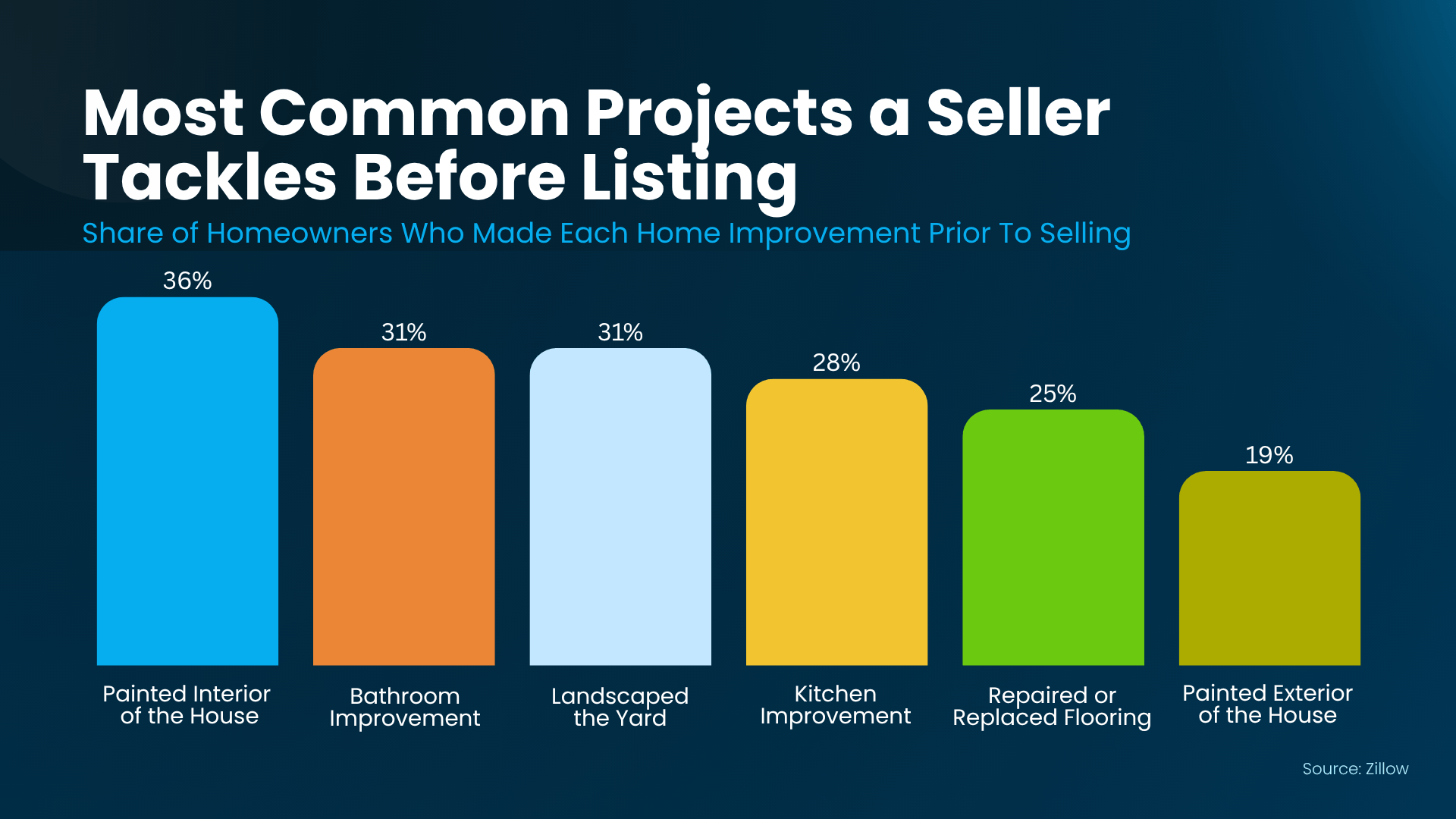
According to Zillow, homeowners should generally allow around two to three months to prepare their property for sale. This is a reasonable timeline considering that approximately 78% of sellers completed at least one home improvement project before listing their homes.
These projects don't always involve expensive renovations or major construction. Sometimes, simple improvements can make a noticeable difference in how buyers see your property.
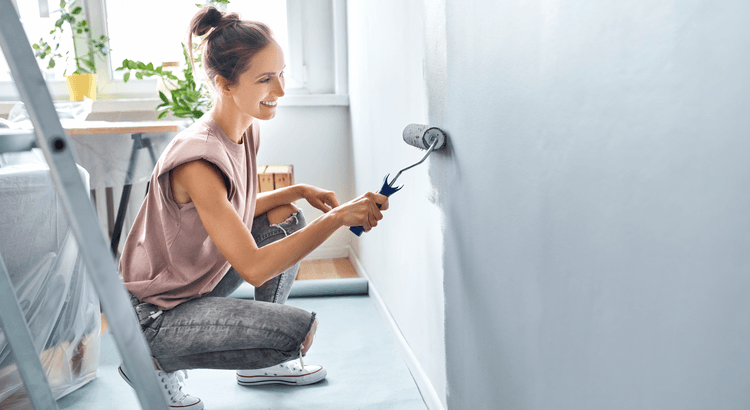
For example, interior painting is one of the most common improvements sellers make before putting their homes on the market. A fresh coat of paint can make rooms feel cleaner, brighter, and more welcoming without requiring a huge investment.
Other improvements may include fixing damaged areas, updating old fixtures, improving outdoor spaces, and addressing maintenance issues.
Of course, this doesn't mean you need to complete every possible project. Every home has different needs, and some improvements may not provide enough value to justify their cost.
The important thing is to identify what deserves your attention before your home officially becomes available to buyers
1. Consult a Real Estate Agent Before Making Home Improvements
Before spending money on renovations, consider talking to a real estate agent who understands your local housing market.
You might already have a long list of things you want to change. Maybe the kitchen needs an update, the bathroom looks outdated, or the living room could use a fresh coat of paint. However, not every project will necessarily help you sell your home faster or attract better offers.
This is where an experienced agent can make a difference.
A real estate professional can help you understand what buyers are currently looking for and which features matter most in your area. They can also compare your property with similar homes on the market to identify areas that may need improvement.
For instance, buyers in your neighborhood might care more about a clean, functional kitchen than expensive decorative upgrades. In that situation, spending thousands on luxury finishes may not be the smartest decision.
An agent can help you focus on improvements that make practical sense and fit your selling goals.
Think of it as having a roadmap before starting a long trip. You don't want to spend time and money going in the wrong direction.
Getting professional advice early can help you avoid unnecessary expenses and make better decisions before listing your property.
2. Consider a Pre-Listing Home Inspection
Another smart move is scheduling a pre-listing home inspection before officially putting your property up for sale.
What exactly does this mean?
A pre-listing inspection is an opportunity to have a professional inspector examine your home before potential buyers conduct their own inspection. It helps identify problems that could become concerns during negotiations or even cause a buyer to reconsider an offer.
This is especially important in a market where buyers have more properties to choose from. When people have several options, they may become more careful about the condition of the homes they are considering.
Even small maintenance problems can raise questions if they are discovered during the buying process.
For example, perhaps your heating and cooling system has been making unusual noises, or you've noticed a small leak that you keep putting off fixing. These issues might seem manageable today, but they could become bigger problems if left unattended.
A pre-listing inspection can help uncover concerns involving:
-
Roofing: Missing shingles, leaks, or signs of water damage.
-
Plumbing: Leaking pipes, drainage problems, or damaged fixtures.
-
Electrical systems: Outdated wiring or faulty outlets.
-
HVAC systems: Heating and cooling problems that may affect comfort.
-
Structural areas: Cracks, foundation concerns, or other visible damage.
According to Angi, a typical pre-listing home inspection costs around $300 to $600, depending on the property and location.
While this adds another expense, it may be worth considering because it gives you time to address problems before buyers start visiting your home.
The National Association of Realtors also explains that an inspector can help sellers identify trouble areas that may stand out to potential buyers, allowing repairs to be completed before open houses begin.
The biggest advantage is having more control over the process. Instead of rushing to fix something after receiving an offer, you can plan repairs according to your budget and schedule.
It can also help reduce unexpected delays and make negotiations easier when the time comes.
3. Save the Final Preparations for Closer to Listing Day
Although starting early is important, not every preparation needs to happen immediately.
Some tasks are better completed closer to the day your property officially enters the market. This is because certain improvements can lose their effect if they are done too far in advance.
For example, deep cleaning, home staging, landscaping, and final paint touch-ups are usually best scheduled shortly before professional photography and property showings.
These finishing touches help create a welcoming atmosphere when potential buyers visit.
Imagine walking into a house with clean floors, fresh-looking walls, organized furniture, and a well-maintained garden. It immediately feels more inviting, doesn't it?
That first impression matters because buyers often begin forming opinions as soon as they see a property.
However, there is one task you can start working on right now: decluttering.
You don't have to wait until your listing date to organize your belongings. Start with areas that usually collect unnecessary items, such as closets, garages, storage rooms, and spare bedrooms.
Go through your belongings and decide what you want to keep, donate, sell, or throw away.
Decluttering offers two major benefits. First, it helps make your home look more spacious and organized. Second, it makes moving easier because you'll have fewer belongings to pack when your property sells.
You can also start sorting important documents, organizing household records, and making a list of items that may need attention before moving.
As Redfin highlights, proper preparation can contribute to a smoother home-selling experience, stronger offers, and fewer surprises during closing. Homes that are clean, properly staged, competitively priced, and professionally photographed can make a stronger impression on potential buyers.
Remember, the goal isn't to finish everything today. It's to spread out the work so you won't feel overwhelmed when listing day finally arrives.
Why Preparing Early Can Give Home Sellers an Advantage
Selling a home involves more than choosing a price and posting pictures online. There are several steps that need attention, and waiting until the last minute can make the entire experience more stressful.
Starting early gives you more time to make thoughtful decisions.
You can compare contractor estimates, schedule repairs, organize your finances, and decide which improvements are worth the investment. You also have more flexibility if unexpected problems appear along the way.
More importantly, early preparation allows you to focus on presenting your property in the best possible condition.
Today's buyers are looking for homes that meet their needs, fit their budgets, and offer good value. A property that looks well-maintained and ready for its next owner can help create confidence during the buying process.
Although no improvement can guarantee a quick sale or a higher offer, taking the right steps can help position your home more competitively.
The Bottom Line: Make Your 2027 Home Sale Easier by Starting Today
If you're planning to sell your home in 2027, you don't need to spend the rest of 2026 renovating every room or packing all your belongings.
What you need is a realistic plan.
Start by speaking with a real estate agent, identifying important repairs, and considering a pre-listing inspection. Then, work on smaller tasks such as decluttering and organizing your belongings. Save the final cleaning, staging, landscaping, and other finishing touches for closer to your listing date.
The earlier you understand what your home needs, the more time you'll have to prepare it properly.
A little effort today can save you from unnecessary stress, rushed decisions, and unexpected problems tomorrow.
Planning to sell your home in 2027? Connect with a trusted real estate professional to find out which improvements are worth making, which ones you can skip, and how to prepare your property according to your timeline and local market conditions. Your next successful home sale could start with the decisions you make today.
Recent Posts





GET MORE INFORMATION