Why Most Homeowners Are Happy They Bought a Home: The Long-Term Benefits of Homeownership

Buying a home is one of the biggest financial decisions you can make. With rising living costs, high mortgage rates, and an uncertain economy, it is understandable to wonder whether purchasing a property is still a smart move. After all, nobody wants to spend years paying for something they might eventually regret.
However, there is a positive side to consider. Despite the challenges of today's housing market, many homeowners are still happy with their decision to buy.
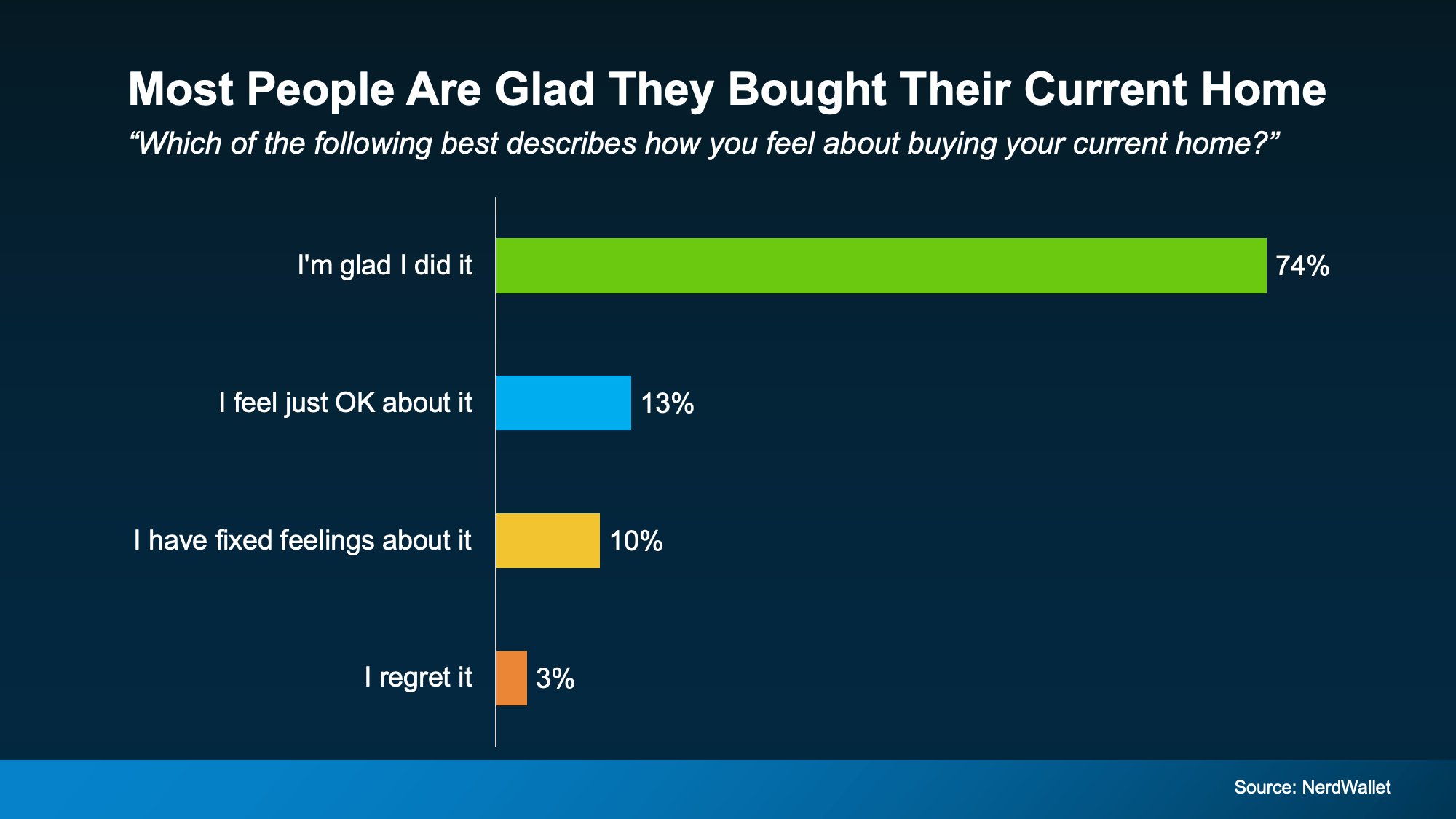
According to a recent survey by NerdWallet, 74% of recent homebuyers said they were glad they purchased their current homes. Only 3% said they regretted their decision. These results suggest that, for many people, the benefits of owning a home can outweigh the difficulties that come with the purchase.
So, what makes homeownership worthwhile for so many people? The answer often comes down to long-term financial growth, building equity, and having a place to call your own.
Why Buying a Home Can Be a Smart Long-Term Investment
When thinking about buying a house, it is easy to focus on current market conditions. You might wonder whether mortgage rates will decrease, whether property prices will fall, or whether waiting another year could save you money.
These questions are important, but they do not tell the whole story.
A home is usually a long-term commitment rather than a short-term purchase. Instead of focusing entirely on what the housing market is doing today, it helps to consider how owning a property could benefit you over several years.
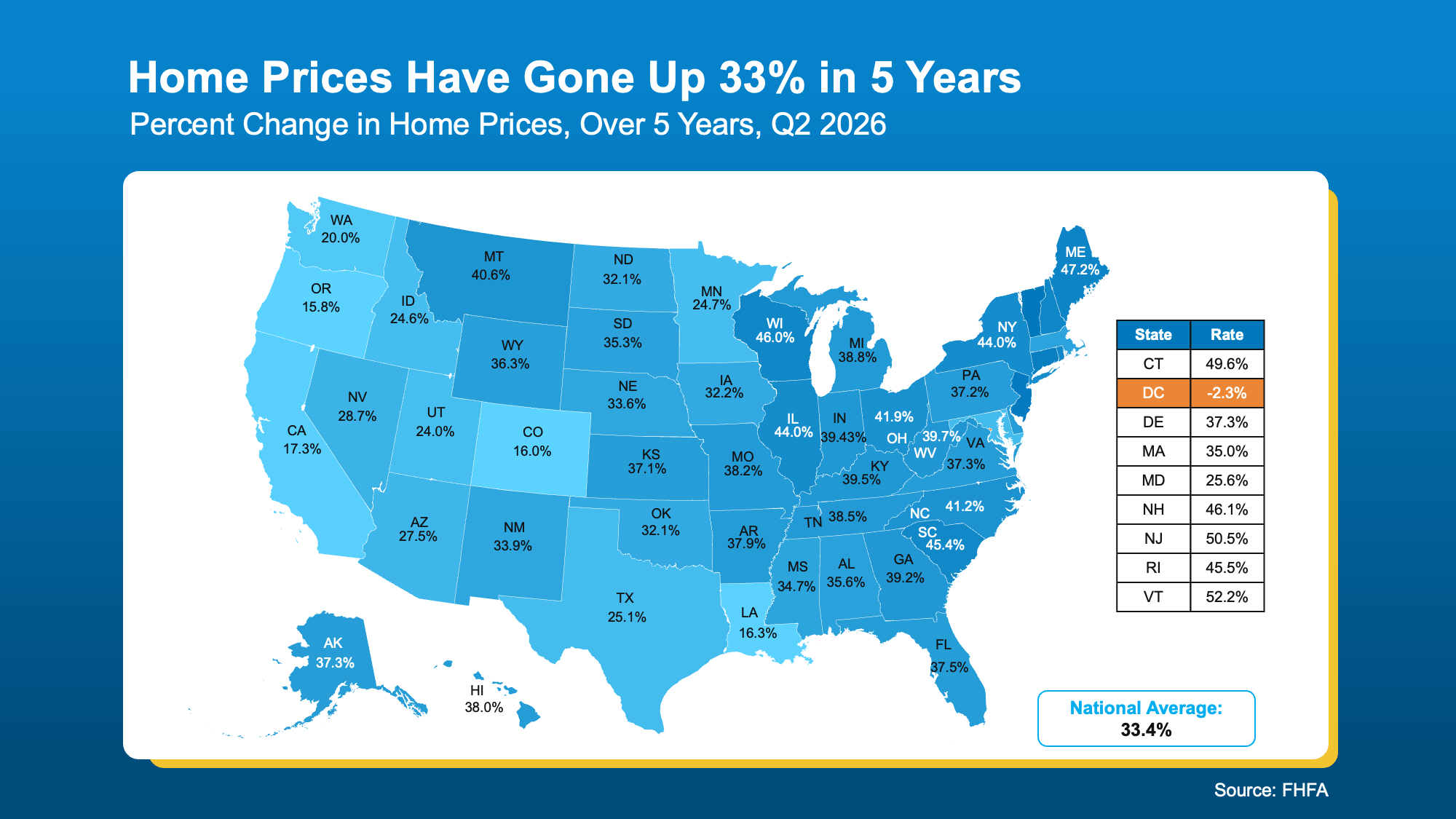
Historical housing data provides some useful perspective. According to the Federal Housing Finance Agency (FHFA), national home prices increased by 33.4% over the five years leading up to the period covered by the original report.
Five years may seem like a long time when you are making monthly mortgage payments. However, the bigger picture becomes even more interesting when you examine housing trends over several decades.
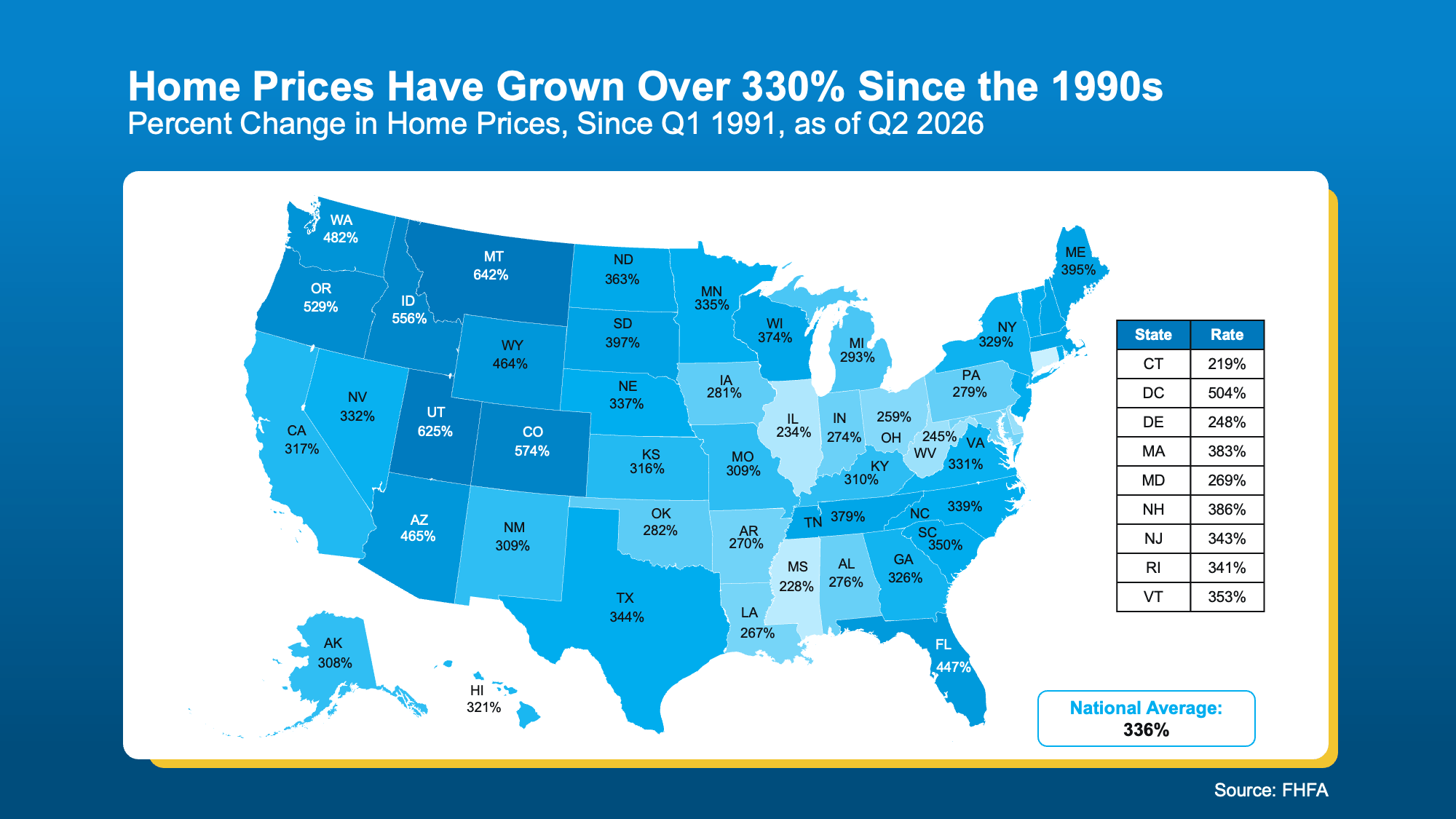
According to FHFA data referenced in the original report, national home prices increased by approximately 336% between 1991 and the second quarter of 2026.
Even so, the historical trend highlights an important point: owning a home for a longer period can give you more time to benefit from potential property appreciation.
This is why trying to find the perfect moment to buy can sometimes distract people from their broader goals. Waiting for lower prices or more favorable mortgage rates may make sense in certain situations, but there is no guarantee that market conditions will become more affordable.
Why Home Equity Can Make Future Moves Easier
Building equity does more than increase your ownership stake in a property. It can also provide financial flexibility when your needs change.
Perhaps you start with a small house and eventually need more space for your growing family. Maybe you want to move closer to work, relocate to another city, or downsize after retirement.
In these situations, the equity you have accumulated may help fund your next move.
Freddie Mac explains that home equity forms part of a homeowner's total wealth. When you sell a property, the proceeds remaining after paying off the mortgage and transaction costs may be used toward purchasing another home or meeting other financial goals.
For example, if your property has increased in value and you have paid down a significant portion of your mortgage, you may have more money available for a down payment on your next home.
However, the amount you receive depends on the property's selling price, the remaining loan balance, and any applicable selling expenses. Appreciation is not guaranteed, and selling during a market downturn could leave you with less equity than expected.
Nevertheless, for homeowners who build equity over time, it can become a useful resource for future housing decisions.
What If Home Prices Fall After You Buy?
One of the biggest concerns among potential buyers is the possibility of purchasing a home just before property prices decline.
It is a reasonable concern. Nobody wants to buy a property for a high price only to see its market value fall shortly afterward.
Housing markets can experience downturns, and homeowners are not completely protected from financial losses. If you need to sell during a period of declining prices, you could receive less than you expected. In some cases, falling values can also reduce the equity you have built.
However, a short-term price decline does not automatically mean buying was a mistake.
Your home is more than an investment. It is also where you live, build relationships, and create memories. If you plan to stay in the property for many years, temporary market changes may have less influence on your overall decision than they would if you intended to sell quickly.
Long-term ownership can provide more time for the market to recover, although recovery is never guaranteed and may take longer in some locations.
That is why it is important to buy a home you can comfortably afford rather than relying on future price increases to make the purchase worthwhile.
A manageable monthly payment, emergency savings, and a realistic understanding of ownership costs can help you prepare for unexpected financial challenges.
How to Decide Whether Buying a Home Is Right for You
Although many homeowners are satisfied with their purchases, buying a house is not automatically the best choice for everyone.
Your decision should depend on your income, savings, lifestyle, and future plans. Before committing to a mortgage, consider the following factors.
1. Review your budget. Calculate whether you can afford the monthly mortgage payment alongside utilities, insurance, taxes, maintenance, and other living expenses. Leave room for unexpected costs rather than using all your savings for the purchase.
2. Consider how long you plan to stay. Buying may make more sense if you expect to remain in the same area for several years. If you anticipate moving soon, renting may offer greater flexibility and could avoid the costs of buying and selling.
3. Prepare for unexpected expenses. Homes require regular care, and major repairs can be expensive. Having emergency savings can help you handle problems without relying entirely on credit.
4. Compare renting and buying carefully. Do not compare rent with the mortgage payment alone. Include property taxes, insurance, maintenance, closing costs, and the opportunity cost of the money used for a down payment.
5. Think about your future goals. Consider whether owning a home supports your plans for your career, family, finances, and preferred lifestyle. A property should fit your life, not force you into financial stress.
Taking time to review these factors can help you make a decision based on your actual circumstances instead of pressure from the housing market or other people's experiences.
Bottom Line: Homeownership Is About the Bigger Picture
With higher living costs and changing housing conditions, it is understandable that some buyers hesitate to purchase a home. However, the fact that many recent homeowners are happy with their decisions shows why owning property continues to appeal to so many people.
Long-term homeownership can offer stability, the opportunity to build equity, and the potential for property appreciation. Over time, those benefits may help homeowners strengthen their finances and prepare for future housing needs.
Still, the right decision is not always to buy immediately. Property values can fall, ownership costs can add up, and not everyone is financially ready to take on a mortgage.
The goal is not to predict the perfect time to enter the housing market. It is to find a home and payment that make sense for your circumstances.
If you are considering buying a home, look beyond today's mortgage rates and property prices. Review your budget, understand the risks, and consider what homeownership could mean for your future. When the numbers work for you, buying a home may become more than a place to live—it may be a meaningful step toward your long-term financial goals.
Recent Posts





GET MORE INFORMATION