Should You Wait for Lower Mortgage Rates? Here’s Why Buying Sooner Could Be the Smarter Move
If you've been dreaming of buying a home but keep telling yourself, "I'll wait until mortgage rates drop," you're far from alone.
Thousands of buyers across the country are sitting on the sidelines, convinced that significantly lower mortgage rates are just around the corner. It's an understandable strategy. After all, even a small drop in interest rates can make a noticeable difference in your monthly payment.
But here's the question that deserves your attention:
What if those lower rates don't arrive anytime soon?
Imagine spending another year renting or delaying your move, only to discover mortgage rates have barely changed. Worse yet, home prices continue to rise while more buyers jump back into the market. Suddenly, waiting hasn't saved you money—it has actually cost you more.
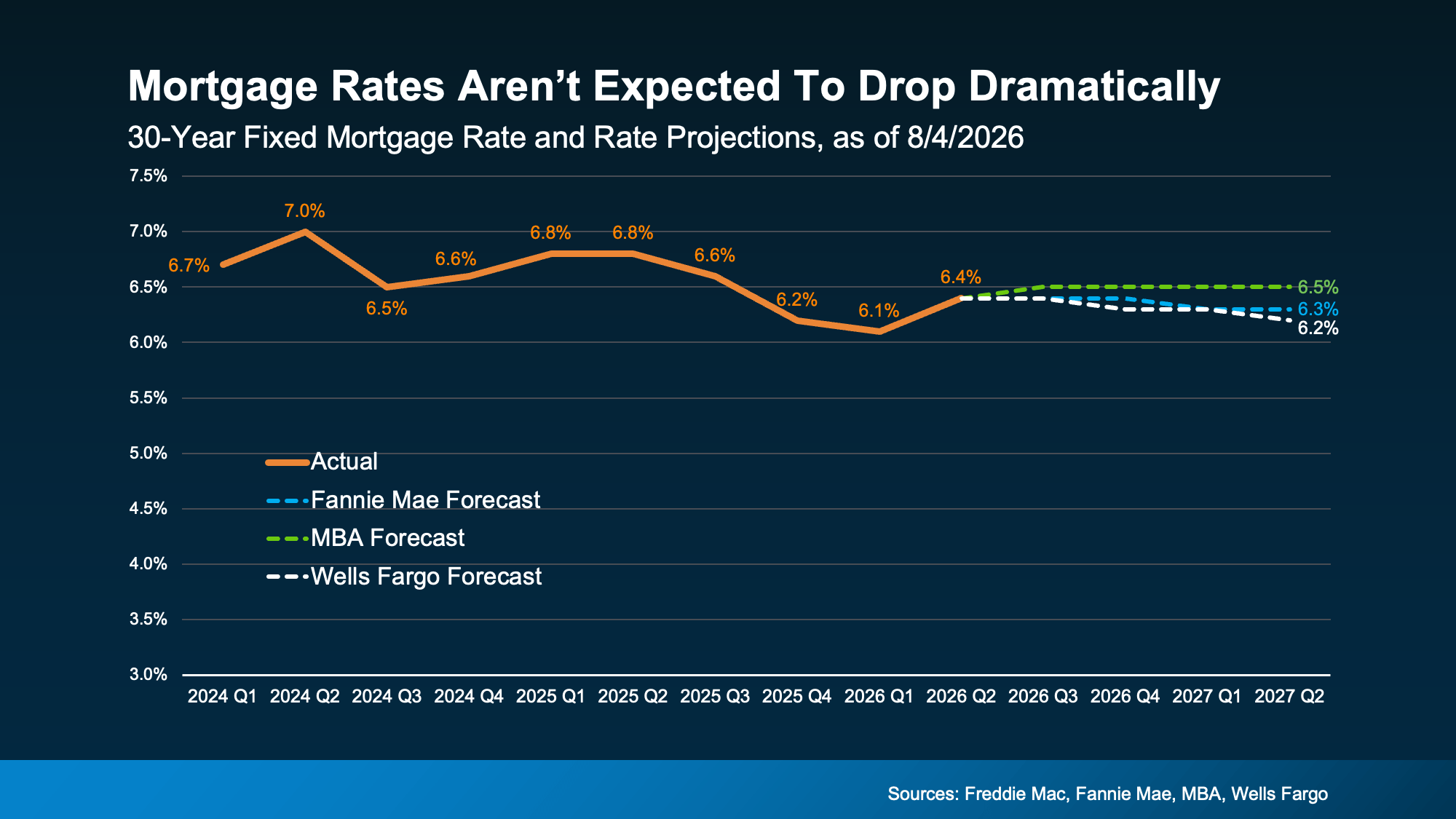
While no one can predict the future with complete certainty, today's economic forecasts paint a fairly clear picture. Experts aren't expecting a dramatic decline in mortgage rates anytime soon.
That doesn't mean buying a home is out of reach. It simply means you may need a different strategy than waiting for the "perfect" interest rate.
Let's explore why.
Mortgage Rate Forecasts Suggest Stability, Not a Sharp Decline
Many hopeful buyers believe mortgage rates will eventually fall below 5% again.
It's easy to see why. The record-low rates seen during the pandemic created a new benchmark in people's minds. But those historically low rates were the exception—not the rule.
Current projections from leading housing economists indicate mortgage rates are likely to remain relatively stable in the low-to-mid 6% range for the foreseeable future rather than experiencing a significant drop.
Why?
Because mortgage rates don't move based on wishful thinking.
They're influenced by a wide range of economic forces, including:
- Inflation
- Federal Reserve policy
- Treasury bond yields
- Employment data
- Consumer spending
- Global economic events
- Investor confidence
These factors constantly interact like gears inside a complex machine. Right now, that machine simply isn't pointing toward dramatically lower borrowing costs.
Could rates fluctuate?
Absolutely.
Small movements happen all the time. But if you're waiting for a massive decline, you could be waiting much longer than expected.
Inflation Continues To Keep Mortgage Rates Elevated
If mortgage rates had a biggest enemy—or perhaps a best friend depending on your perspective—it would be inflation.
The two often move together.
When inflation remains elevated, lenders typically demand higher returns to offset the declining purchasing power of money. That usually results in higher mortgage rates.
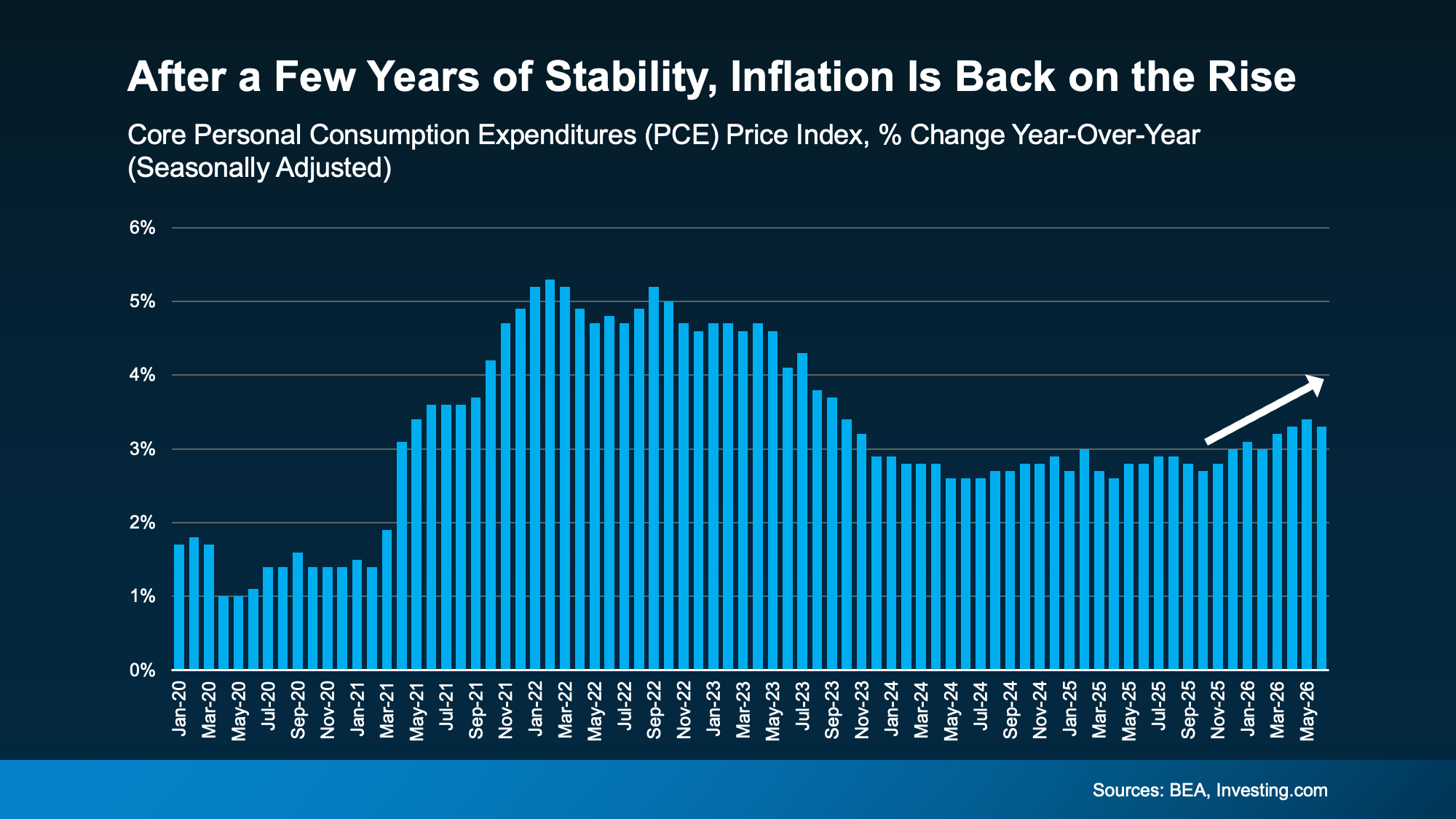
Although inflation cooled for a period after reaching historic highs, recent economic reports suggest it's proving more stubborn than many economists anticipated.
Think of inflation like a thermostat.
As long as the temperature stays high, mortgage rates have little reason to cool down significantly.
Until inflation consistently moves lower, experts generally don't expect mortgage rates to fall dramatically.
That's one of the biggest reasons today's forecasts remain relatively cautious.
Today's Mortgage Rates Are More Normal Than You Think
This may be the biggest surprise of all.
Many buyers describe today's mortgage rates as "high."
Historically speaking, they really aren't.
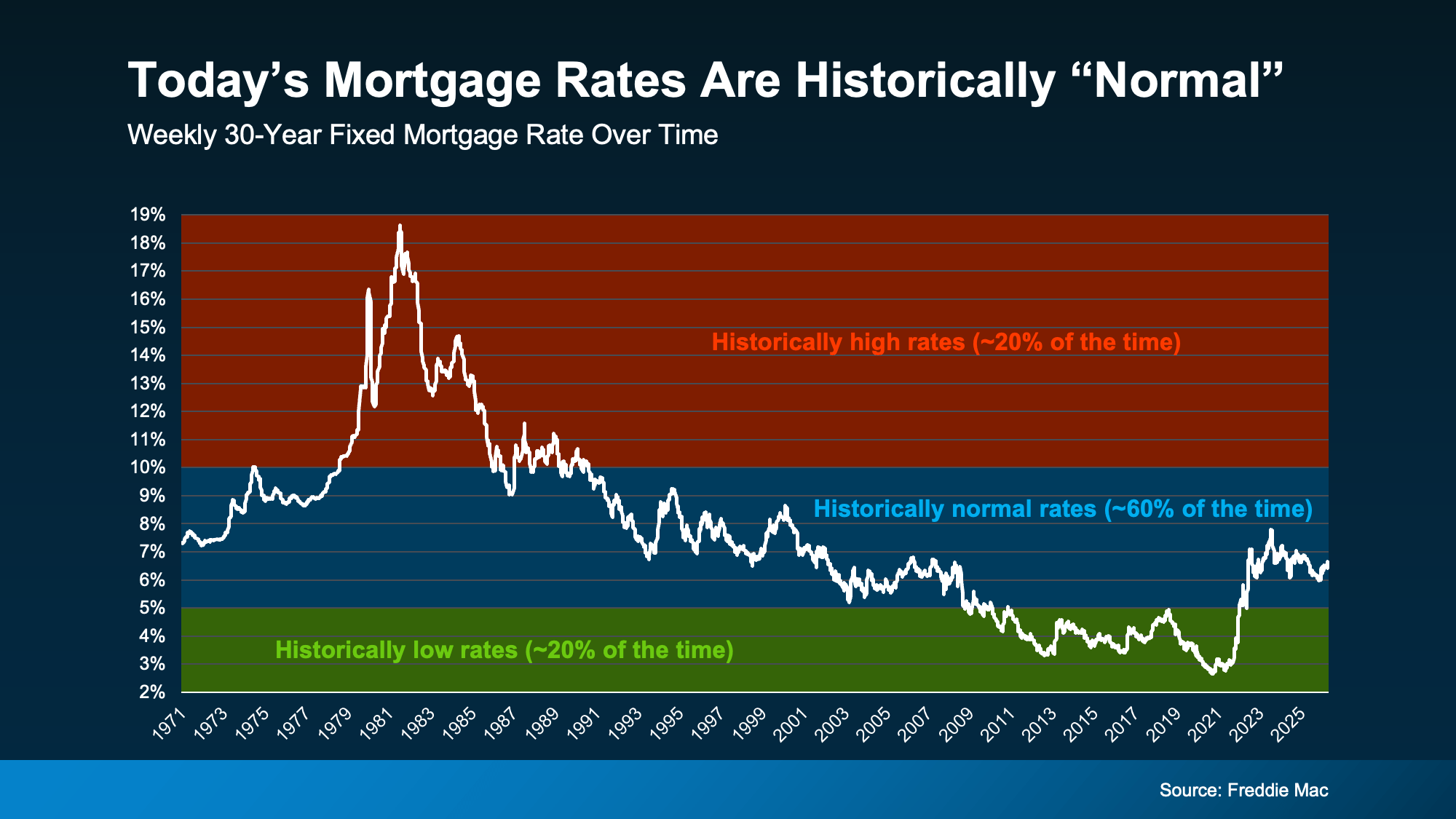
For decades, mortgage rates commonly ranged anywhere between 5% and 10%. In fact, homeowners during the 1980s often paid interest rates well above today's levels.
So why do current rates feel so expensive?
Because our expectations changed.
The exceptionally low rates available during the pandemic created a once-in-a-generation opportunity that many people understandably grew accustomed to.
But those historically low numbers weren't typical market conditions.
They're more like catching lightning in a bottle.
While today's rates may seem disappointing compared to recent memory, they're actually much closer to historical averages.
Understanding this shift in perspective can help buyers make more realistic decisions instead of waiting indefinitely for conditions that may not return anytime soon.
The Hidden Cost of Waiting To Buy a Home
Waiting feels safe.
After all, if rates fall, you'll save money, right?
Maybe.
But there's another side to the equation that many buyers overlook.
While you're waiting:
- Home prices may continue rising.
- Rent payments continue building someone else's equity.
- You delay building wealth through homeownership.
- Competition could increase if rates eventually fall.
- More buyers entering the market may drive prices even higher.
Imagine standing at a train station waiting for the "perfect" train.
Sometimes another train arrives that still gets you where you want to go.
But if you keep waiting for perfection, you may never leave the platform.
Real estate works much the same way.
Buying at today's rates doesn't necessarily mean you're stuck forever. Many homeowners refinance later if borrowing costs improve.
The important thing is getting into the market when buying makes sense for your personal finances and long-term goals.
There Are Smart Alternatives Besides Waiting
If affordability is your biggest concern, good news—you have more options than simply postponing your purchase.
Today's buyers have several strategies that can reduce costs without waiting for mortgage rates to fall.
1. Consider Newly Built Homes
Home builders are competing for buyers.
To stand out, many offer attractive incentives that can significantly reduce your upfront or monthly costs.
These may include:
- Temporary mortgage rate reductions
- Closing cost assistance
- Free design upgrades
- Appliance packages
- Price reductions
- Flexible financing incentives
Depending on the builder, these offers can make a newly constructed home surprisingly affordable.
2. Ask Whether an Adjustable-Rate Mortgage Makes Sense
An Adjustable-Rate Mortgage (ARM) isn't the right solution for everyone.
However, if you expect to relocate, upgrade, or refinance within several years, an ARM could offer a lower initial interest rate than a traditional fixed-rate mortgage.
The lower starting payment can improve affordability during the early years of homeownership.
The key is understanding exactly how the loan works before making a decision.
A trusted lender can help determine whether it's appropriate for your financial situation.
3. Explore Mortgage Rate Buydowns
Another option worth discussing is a mortgage rate buydown.
A buydown allows you—or sometimes the seller or builder—to pay an upfront fee that reduces your interest rate.
The result?
Lower monthly mortgage payments during the first years of the loan or even throughout the loan term, depending on the type of buydown.
For buyers focused on monthly affordability, this strategy can make a meaningful difference.
4. Look for Homes With Assumable Mortgages
Here's an option many buyers overlook.
Some existing mortgages are assumable.
That means qualified buyers may be able to take over the seller's current mortgage—including its lower interest rate.
If the seller secured financing during periods of historically low rates, assuming that loan could result in substantial long-term savings.
Not every loan qualifies, but it's certainly worth asking about.
Buying a Home Is About More Than Interest Rates
Mortgage rates matter.
There's no denying that.
But they're only one piece of a much larger puzzle.
Your career.
Your growing family.
Your commute.
Your lifestyle.
Your financial goals.
Your future.
These factors often have a greater impact on whether buying now makes sense than chasing a slightly lower interest rate.
Sometimes the right time to buy isn't determined by the market.
It's determined by your life.
If purchasing a home aligns with your goals today, waiting solely for mortgage rates may not be the best strategy.
Work With Professionals Who Can Show You Every Option
Buying a home isn't about making guesses.
It's about making informed decisions.
An experienced real estate agent and a knowledgeable lender can help you compare financing options, evaluate affordability programs, identify builder incentives, and determine whether buying now or waiting truly serves your long-term goals.
Every buyer's situation is unique.
The best decision is the one based on facts—not assumptions.
Final Thoughts: Don't Let Mortgage Rate Headlines Keep You Stuck
If you've been delaying your home search because you're convinced mortgage rates will soon fall dramatically, it may be time to reconsider.
Current forecasts suggest rates are likely to remain relatively stable rather than returning to the ultra-low levels many buyers remember. Meanwhile, inflation continues to influence borrowing costs, and today's mortgage rates are actually much closer to historical norms than many people realize.
The good news is that waiting isn't your only option.
From builder incentives and mortgage rate buydowns to adjustable-rate loans and assumable mortgages, there are several ways to improve affordability without putting your life on hold.
Instead of focusing solely on where mortgage rates might go, focus on what you can control today. Talk with a trusted real estate professional and lender, explore your financing options, and create a strategy that fits your goals.
The perfect mortgage rate may never come—but the perfect home for your next chapter just might be waiting for you now.
Recent Posts





GET MORE INFORMATION