Selling Your Home This Fall? 4 Things You Need to Get Right

Selling your home in the fall can be a great opportunity. But if you're planning to put that “For Sale” sign in the yard before the end of the year, your strategy matters.
The housing market can feel different as summer winds down. Buyer activity often cools, while the number of homes competing for attention can increase. That means buyers may have more properties to compare before deciding which ones are worth seeing.
So, how do you make your home stand out?
You don't necessarily need to spend a fortune on renovations or accept every demand a buyer makes. Instead, focus on the things you can control: your asking price, your home's presentation, your willingness to negotiate, and your ability to recognize when something needs to change.
If you're serious about selling your house this fall, here are four things worth getting right.
1. Price Your Home to Attract Buyers
Let's start with one of the biggest factors in any home sale: price.
When there are fewer buyers actively searching and more homes available, you have less room for a pricing strategy based on wishful thinking. Listing high “just to see what happens” can backfire if buyers quickly decide your property isn't worth the premium.
Think about it from the buyer's perspective. They're scrolling through listings, comparing prices, photos, locations, features, and potential costs. If your home looks overpriced next to similar properties, why would they choose yours?
They may simply keep scrolling.
That's why pricing your home correctly from the beginning can make a meaningful difference. Work with your real estate agent to review comparable properties, current market conditions, recent sales, and the competition in your area.
In some situations, that could mean pricing at market value. In others, listing slightly below comparable homes could generate more attention and encourage stronger buyer interest.
Even a relatively small pricing difference can affect which online searches include your property. Buyers frequently use price filters and predetermined budgets when searching for homes, so crossing a common price threshold could potentially put your listing in front of a different group of shoppers.
The goal isn't necessarily to make your home the cheapest option.
The goal is to make buyers stop scrolling and take a closer look.
2. Make a Strong First Impression
Once your price gets a buyer's attention, your home's presentation needs to keep it.
Today, buyers often encounter a property online long before they ever step through the front door. Your listing photos, exterior, description, and overall presentation can influence whether someone schedules a showing—or moves on to another property.
And when buyers have plenty of choices, first impressions become even more important.
That doesn't mean you need to completely remodel your kitchen, replace every bathroom fixture, or transform your home into a luxury property before selling. In fact, major renovations aren't always necessary or financially worthwhile.
Instead, concentrate on improvements that make your home feel clean, cared for, bright, and inviting.
Start with the basics.
Take care of obvious repairs. Clean and declutter each room. Improve your home's curb appeal. Touch up areas that look worn. Make sure the lighting works and the rooms photograph well.
You might also consider simple updates such as replacing outdated light fixtures, refreshing cabinet hardware, changing old faucets, or adding a fresh coat of neutral paint.
Small improvements can change the way a home feels without requiring a massive renovation budget.
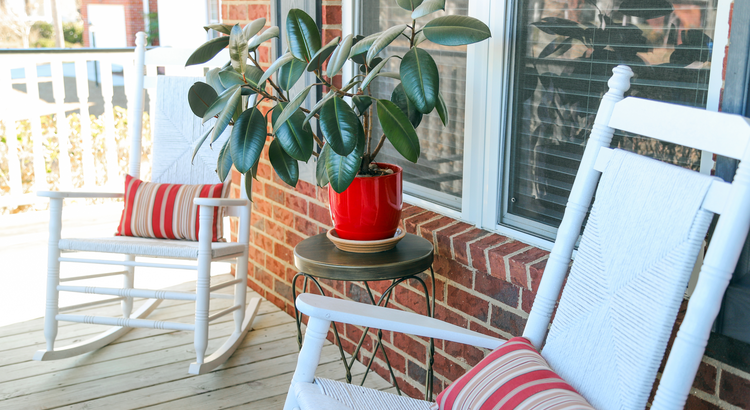
Don't forget the exterior, either. The front of your home is often the first physical impression buyers receive. Trim overgrown landscaping, clean the entryway, pressure-wash where appropriate, and make the entrance feel welcoming.
Think of it like meeting someone for the first time. You don't need to dress like you're attending a royal wedding—but you probably wouldn't show up looking like you just rolled out of bed.
Your home deserves the same consideration. Make that first impression count.
3. Be Willing to Negotiate With Buyers
Here's another important part of selling a home this fall: flexibility.
The days when sellers could always expect buyers to accept every term without negotiation aren't representative of every market today. Depending on your local conditions, buyers may have more opportunities to negotiate on price, repairs, closing costs, or other terms.
That doesn't mean you should automatically agree to every request.
It means you should understand what matters most to you and where you have room to compromise.
For example, a buyer may ask you to contribute toward closing costs rather than reduce the purchase price. Another buyer might request that you address a particular repair after the inspection.
Would one of those concessions help you reach the closing table without significantly changing your overall plans?
That's the conversation to have with your real estate agent.
Negotiation isn't necessarily about one side “winning” and the other “losing.” A successful negotiation often means finding terms that allow both parties to move forward.
Imagine you're trying to cross a river. If you refuse to take even one step toward the other side, you may remain stuck on the same bank. Sometimes moving a little creates a path forward.
Of course, every situation is different. Your financial position, timeline, local market, property condition, and competing offers should all factor into your decisions.
The key is to stay open without losing sight of your priorities.
A small, reasonable concession could be the difference between an interested buyer walking away and a signed agreement moving toward closing.
4. Pay Attention When Your Listing Isn't Getting Results
Even a well-priced, beautifully presented home may need adjustments.
That's why selling your house isn't a “set it and forget it” process.
Pay attention to what happens after your property goes on the market.
Are plenty of people viewing your listing online but very few scheduling showings? That could be a signal that something about the price, photos, description, or presentation isn't connecting with buyers.
Are buyers coming to showings but leaving without making offers?
That could point to something different.
Maybe buyers repeatedly mention the same repair. Perhaps they're concerned about the price compared with similar homes. Maybe the house doesn't show as well in person as it does online.
Don't ignore those patterns.
Buyer feedback can provide useful clues about what needs attention. Your agent can help you separate meaningful market feedback from isolated comments and determine whether an adjustment makes sense.
One possible adjustment is your asking price.
A price reduction doesn't automatically mean you've made a mistake. Markets change, buyers react differently than expected, and sometimes the original pricing strategy simply isn't generating enough interest.
According to HousingWire Data, the average price cut has been around 4%, illustrating that price adjustments can be a normal part of the selling process.
That doesn't mean you should slash your price after a few days on the market.
Instead, think of your listing as something you monitor. Look at the number of views, showing activity, feedback, competing listings, and broader market conditions. Then use that information to make an informed decision with your agent.
Sometimes the smartest move isn't waiting longer. It's making the right adjustment at the right time.
Why Your Fall Home-Selling Strategy Matters
Selling a home is part marketing, part negotiation, and part timing.
You can have a beautiful property, but an unrealistic price can discourage buyers. You can have a competitive price, but poor presentation can prevent people from scheduling a showing. And even when you receive interest, refusing to negotiate can cause an otherwise workable deal to fall apart.
That's why these four pieces work together.
Price gets attention. Presentation creates interest. Flexibility helps move negotiations forward. And adjustments keep your strategy aligned with the market.
You don't have to predict exactly what every buyer will do. You simply need to pay attention to the information available and respond thoughtfully.
Final Thoughts: Selling Your Home Before the End of the Year
Selling your home this fall is absolutely possible, but preparation can make the process smoother.
Start with a realistic pricing strategy. Make your property look its best without overspending on unnecessary renovations. Be prepared to negotiate when it makes sense. And most importantly, pay attention to what the market is telling you once your home is listed.
The fall market may bring different challenges than the spring or summer market, but you still have plenty of control over how you position your home.
So, before you put your house on the market, ask yourself one simple question:
Are you giving today's buyers enough reasons to stop, look, schedule a showing, and ultimately make an offer?
If you're planning to sell before the end of the year, work with your real estate agent to build a strategy before your listing goes live—not after you've already lost valuable time.
A thoughtful plan from day one can help you put your home in the best possible position to attract serious buyers this fall.
Recent Posts







GET MORE INFORMATION