Why So Many Sellers Are Cutting Home Prices Right Now

If you’ve been browsing homes for sale lately, you’ve probably noticed something: price cuts are everywhere.
A home that was listed at one price last week may suddenly be several thousand dollars cheaper today. For buyers, that can look like an opportunity. For sellers, it can feel like a warning sign.
But does a price reduction automatically mean something is wrong with the home?
Not necessarily.
In many cases, sellers are simply adjusting to a housing market that has changed faster than their original listing price. Higher mortgage rates, more inventory, affordability challenges, and increasingly cautious buyers are all changing how homes are priced.
So, why are so many sellers cutting their asking prices right now? And what does it mean if you’re thinking about buying or selling a home?
Let’s take a closer look.
More Than 4 in 10 Homes Have Had a Price Cut
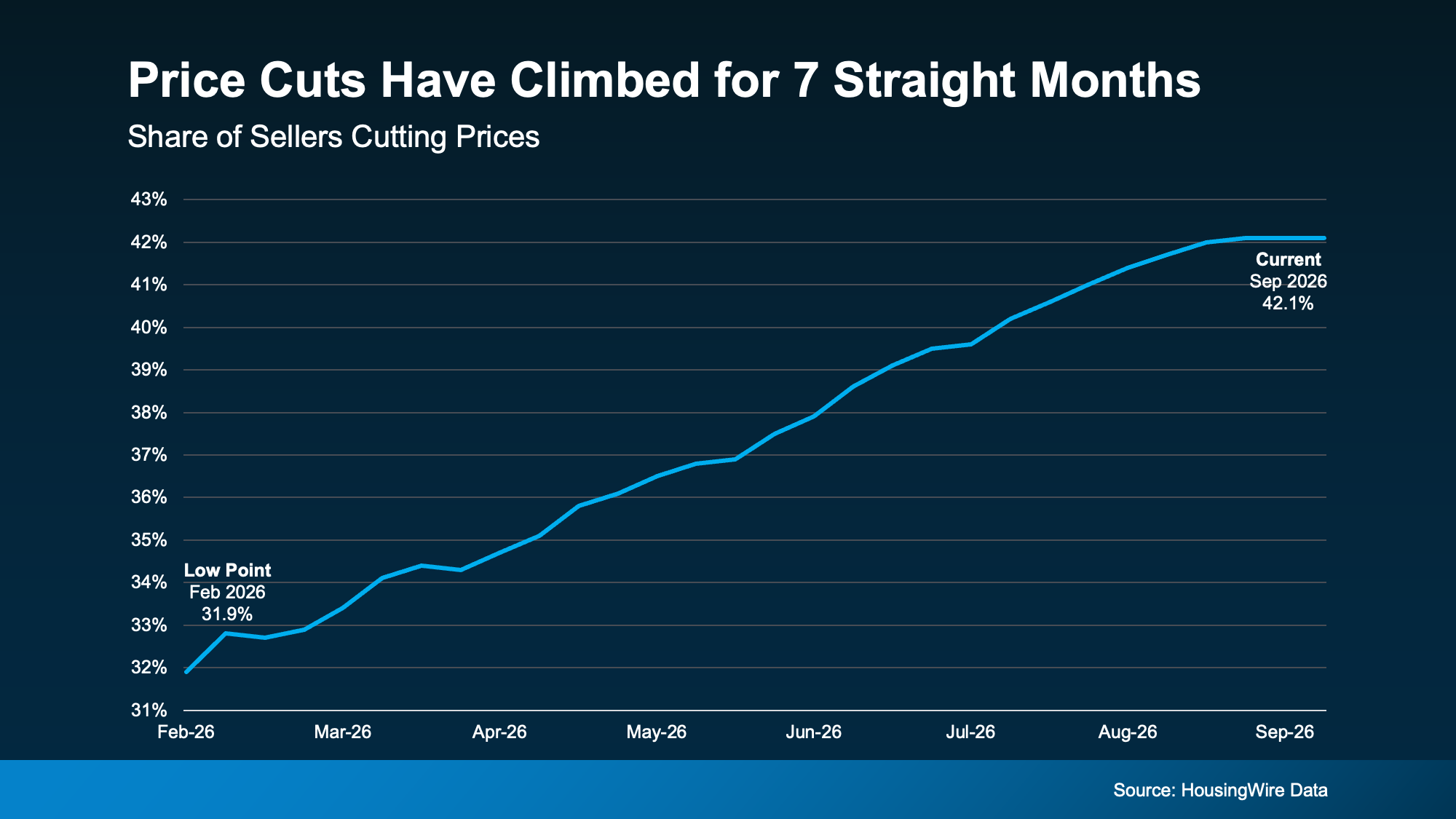
According to HousingWire Data, the share of homes for sale receiving a price reduction has increased for seven consecutive months.
Today, more than 42% of active listings have had at least one price cut, while the typical reduction is around $17,560 from the original asking price.
That’s a significant shift.
Think of a home listing like a product sitting on a store shelf. If shoppers keep walking past it without buying, the seller eventually has to ask an important question: Is the product overpriced for what customers are willing to pay?
Real estate works in much the same way.
A seller may start with a price based on recent sales, personal expectations, or optimism about what the property could bring. But once the home enters the market, actual buyer behavior becomes the real test.
And right now, buyers have more reasons to be selective.
Mortgage rates remain elevated, which means monthly housing payments can be difficult to manage. At the same time, buyers have more homes to compare. That combination gives buyers more time and leverage—and it puts pressure on sellers to price their homes realistically.
Why Are Sellers Cutting Home Prices?
Several factors are coming together to push asking prices lower.
Higher Mortgage Rates Are Limiting Buyer Budgets
Mortgage rates have a direct effect on what buyers can comfortably afford.
Even if a buyer likes a particular house, the monthly payment ultimately has to fit their budget. When borrowing costs remain high, buyers may have less room to stretch for a higher purchase price.
That can create a disconnect between what sellers want and what buyers are actually prepared to pay.
A seller might think, “My home is worth $500,000.”
A buyer might look at the same home and think, “At today's mortgage rate, that price doesn't work for me.”
Neither side necessarily has bad intentions. They're simply looking at the same property through different financial lenses.
That’s why sellers who recognize current affordability conditions can have an advantage when setting their asking price.
More Homes for Sale Give Buyers More Choices
Inventory matters, too.
When buyers have only a handful of homes to choose from, sellers have more leverage. Buyers may feel pressure to make an offer quickly because another opportunity might not come along.
But when more properties are available, that urgency can disappear.
Buyers can compare location, condition, features, price, monthly payment, and seller concessions before deciding which homes deserve their attention.
That means an overpriced home can quickly become invisible.
It might have beautiful countertops, a spacious backyard, or a recently renovated kitchen. But if another comparable property offers similar features for less money, buyers have a reason to keep shopping.
That's one reason pricing correctly from the beginning has become increasingly important.
A Price Cut Doesn't Always Mean Something Is Wrong
For buyers, seeing a price reduction can trigger suspicion.
Is there a hidden problem?
Does the seller know something they don't?
Is the house difficult to sell?
Sometimes, those questions are worth investigating. Buyers should always perform their due diligence, review disclosures, inspect the property, and understand the local market.
But a price cut by itself isn't proof that there's something wrong with the home.
In today's market, a reduction may simply mean the original asking price didn't match current buyer demand.
In fact, when price cuts are happening across a large portion of the market, it's important to look at the bigger picture rather than treating every reduction as an individual red flag.
Sellers Are Learning That Pricing the Home Right Matters
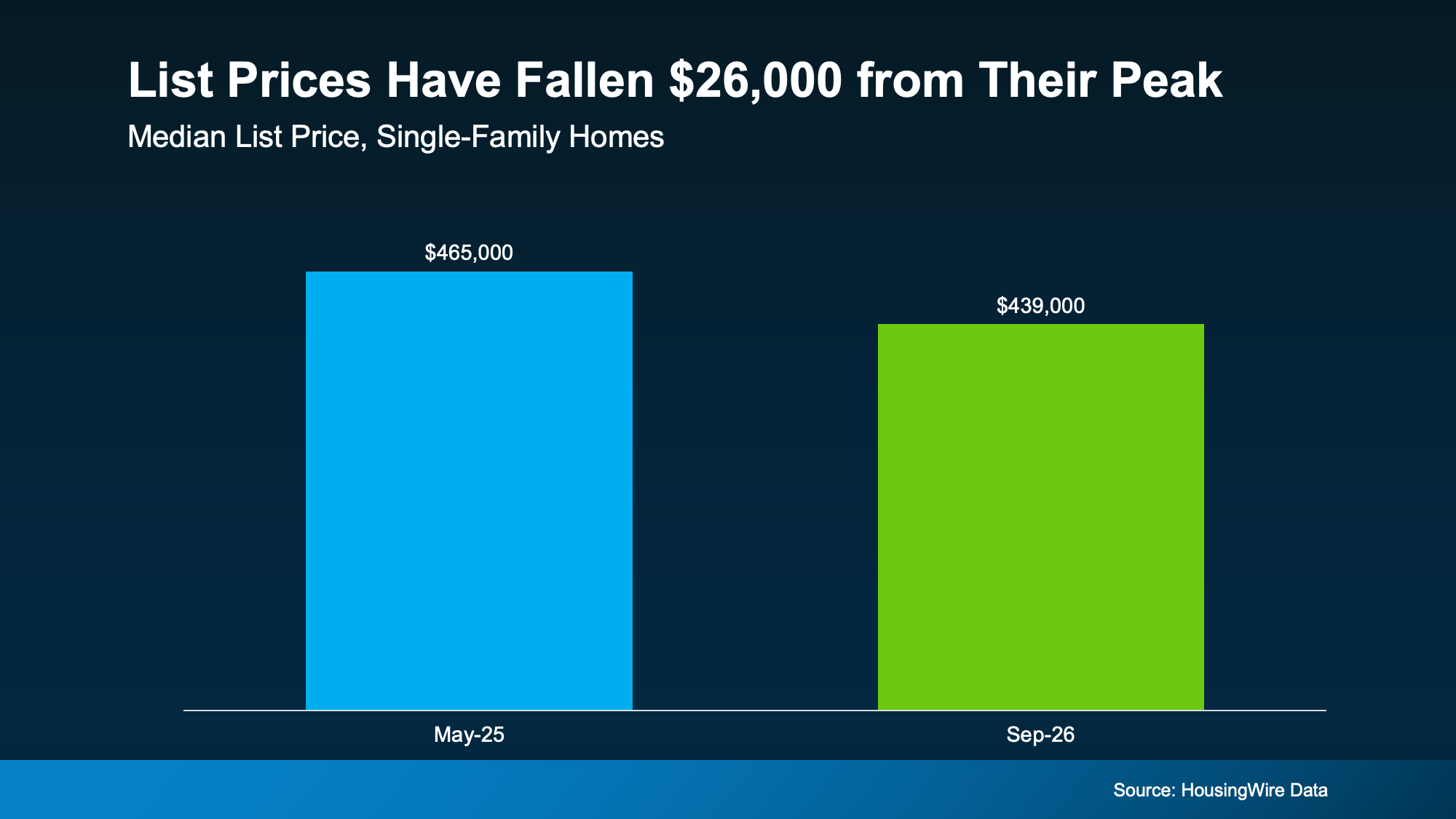
There’s another important trend happening: national list prices have been moving lower.
HousingWire Data shows that list prices have declined by roughly $26,000 from last year's peak.
Some of that movement is seasonal. Asking prices commonly soften during the winter before the spring selling season brings renewed activity.
But the broader message is still important.
Sellers are having to pay closer attention to what buyers are actually willing to pay today—not what buyers were willing to pay several months ago.
That's a crucial distinction.
Real estate markets don't stand still. A comparable home that sold six months ago may not tell you exactly what buyers will pay today, particularly when mortgage rates, inventory, and buyer demand have changed.
Pricing a home is therefore less like setting a permanent price tag and more like reading the current temperature of the market.
Why Overpricing Can Cost Sellers More
It can be tempting for a seller to start high and “see what happens.”
After all, there's always the possibility that someone will fall in love with the house and make an offer.
But there's a downside.
The longer a home sits on the market without meaningful interest, the more buyers may start to wonder why it hasn't sold.
That can create a difficult cycle:
High price → fewer showings → fewer offers → more days on market → eventual price cut.
By the time the seller reduces the price, some buyers may already have moved on.
That's why a strategic price adjustment isn't necessarily a failure. Sometimes, it's simply a correction that brings the listing back in line with the market.
And making that correction sooner rather than later can help prevent a home from becoming stale.
Buyers Have More Negotiating Power
There's another major piece of the puzzle: the balance between buyers and sellers has shifted.
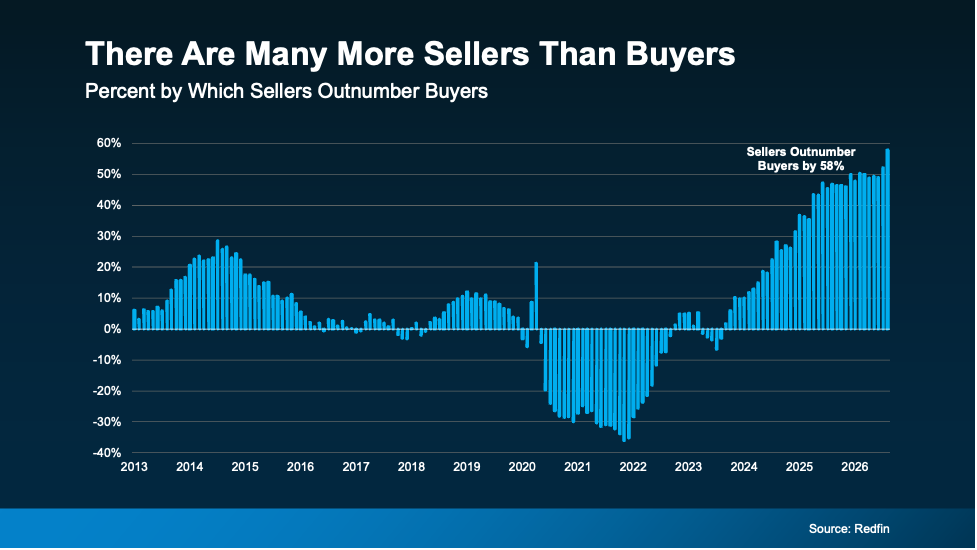
According to Redfin data, sellers now outnumber buyers by roughly 58%, representing the widest gap in its recorded data.
Nationally, about 7 in 10 markets either favor buyers or are moving in that direction.
What does that mean in practical terms?
Buyers may have more opportunities to negotiate.
Instead of simply asking, “Will the seller accept my offer?”, buyers may have room to consider the entire deal.
That could include negotiating:
- A lower purchase price
- Seller-paid closing costs
- Repair credits
- Assistance with other transaction expenses
- Flexible closing or possession dates
Of course, not every seller will agree to every request. The strength of a negotiation depends on the property, local inventory, days on market, comparable sales, and the seller's circumstances.
But buyers shouldn't assume the asking price is automatically the final price.
What Price Cuts Mean for Sellers
If you're preparing to sell, today's market doesn't mean you should automatically slash your asking price.
Instead, it means your pricing strategy matters.
Start with current comparable sales, competing listings, property condition, location, and buyer demand. Your home's value isn't determined by what you paid for it or what you hope to make from the sale.
It's determined by what the current market can realistically support.
And remember: pricing isn't the only way to compete.
If several similar homes are listed nearby, buyers may compare the entire package. A seller could potentially stand out through flexible timing, appropriate concessions, thoughtful presentation, or improvements that address common buyer concerns.
The goal isn't simply to have the lowest price.
It's to give buyers a compelling reason to choose your home.
What Price Cuts Mean for Buyers
For buyers, widespread price reductions can create opportunities—but that doesn't mean every discounted home is automatically a bargain.
A $20,000 price reduction doesn't necessarily mean you've found $20,000 in instant savings if the property was overpriced to begin with.
Look beyond the red sticker.
Compare the home with similar properties. Check how long it has been listed. Review previous price changes. Consider its condition and potential repair costs. Most importantly, look at what comparable homes are actually selling for.
A lower asking price is useful information. It isn't the whole story.
The best opportunity may come from understanding why the price changed and how that new price compares with the surrounding market.
The Housing Market Is Changing—And Pricing Has to Change With It
The current wave of price cuts isn't happening in isolation.
Higher borrowing costs are affecting affordability. More inventory is giving buyers additional choices. Sellers are competing for attention. And buyers who aren't comfortable with a price can simply keep looking.
That's creating a market where realistic pricing matters more than ever.
For sellers, that means avoiding the temptation to chase yesterday's prices.
For buyers, it means paying attention when a home has been sitting on the market and the seller starts becoming more flexible.
Ultimately, a price cut isn't necessarily a sign of trouble. Sometimes, it's simply the market speaking—and the seller finally listening.
The Bottom Line
Price cuts are becoming a normal part of today's housing market.
With more than 4 in 10 active listings having experienced at least one reduction, buyers have more opportunities to negotiate while sellers have more reason to price strategically from the start.
If you're selling, the goal isn't to guess the highest possible number. It's to understand where today's market actually stands and position your home accordingly.
If you're buying, don't assume a price reduction means there's something wrong with the property. Investigate the home, compare it with similar listings, and look at the complete deal—not just the headline price.
Real estate is local, though. National trends can provide useful context, but your neighborhood may be telling a very different story.
Before you list your home or make an offer, take a close look at what's happening with prices, inventory, and buyer demand in your specific area. That's where the numbers become truly useful.
Recent Posts








GET MORE INFORMATION