THE END OF THE "TAKE IT OR LEAVE IT" HOUSING MARKET: WHY BUYERS AND SELLERS HAVE MORE NEGOTIATING POWER THAN EVER

The housing market is shifting, and if you've been watching from the sidelines, you've probably noticed something different. The days of sellers calling all the shots are no longer the norm. Instead of hearing "take it or leave it," buyers are finding more room to negotiate, while sellers and home builders are becoming increasingly flexible to close deals.
What does this mean for you? Whether you're planning to buy your dream home, sell your current property, or explore new construction, understanding today's market dynamics can help you make smarter financial decisions.
Let's break down what concessions and incentives really mean—and how they could put you in a stronger position.
Today's Real Estate Market Is Becoming More Balanced
For the past several years, many buyers found themselves competing in intense bidding wars. Homes sold quickly, offers came in above asking price, and sellers rarely needed to negotiate.
Today's market tells a different story.
Inventory has improved in many areas, giving buyers more choices than they've had in years. With affordability challenges, higher mortgage rates, and increased competition among listings, sellers are adapting their strategies to attract serious buyers.
The result? Negotiation is making a comeback.
Rather than sticking firmly to every term, many sellers are willing to compromise to keep transactions moving smoothly.
Understanding the Difference Between Concessions and Incentives
Although people often use these terms interchangeably, they serve different purposes.
What Is a Seller Concession?
A concession is something the seller agrees to provide during negotiations after receiving an offer. Think of it as a way to bridge the gap between buyer and seller so everyone walks away satisfied.
Common seller concessions include:
- Paying part or all of the buyer's closing costs
- Providing repair credits after inspections
- Completing requested repairs before closing
- Offering credits toward future home improvements
- Adjusting contract terms to make financing easier
These concessions can significantly reduce a buyer's upfront expenses while helping sellers secure a successful closing.
What Are Builder Incentives?
Unlike concessions, incentives are promotional offers advertised upfront by builders or developers to attract buyers before negotiations even begin.
Builder incentives may include:
- Mortgage rate buydowns
- Price reductions
- Free appliance packages
- Premium flooring or upgraded finishes
- Closing cost assistance
- Landscaping or smart home upgrades
For buyers considering newly constructed homes, these incentives can translate into thousands—even tens of thousands—of dollars in added value.
More Sellers Are Saying "Yes" to Negotiation
One of the clearest signs of today's changing market is the growing number of homeowners willing to negotiate.
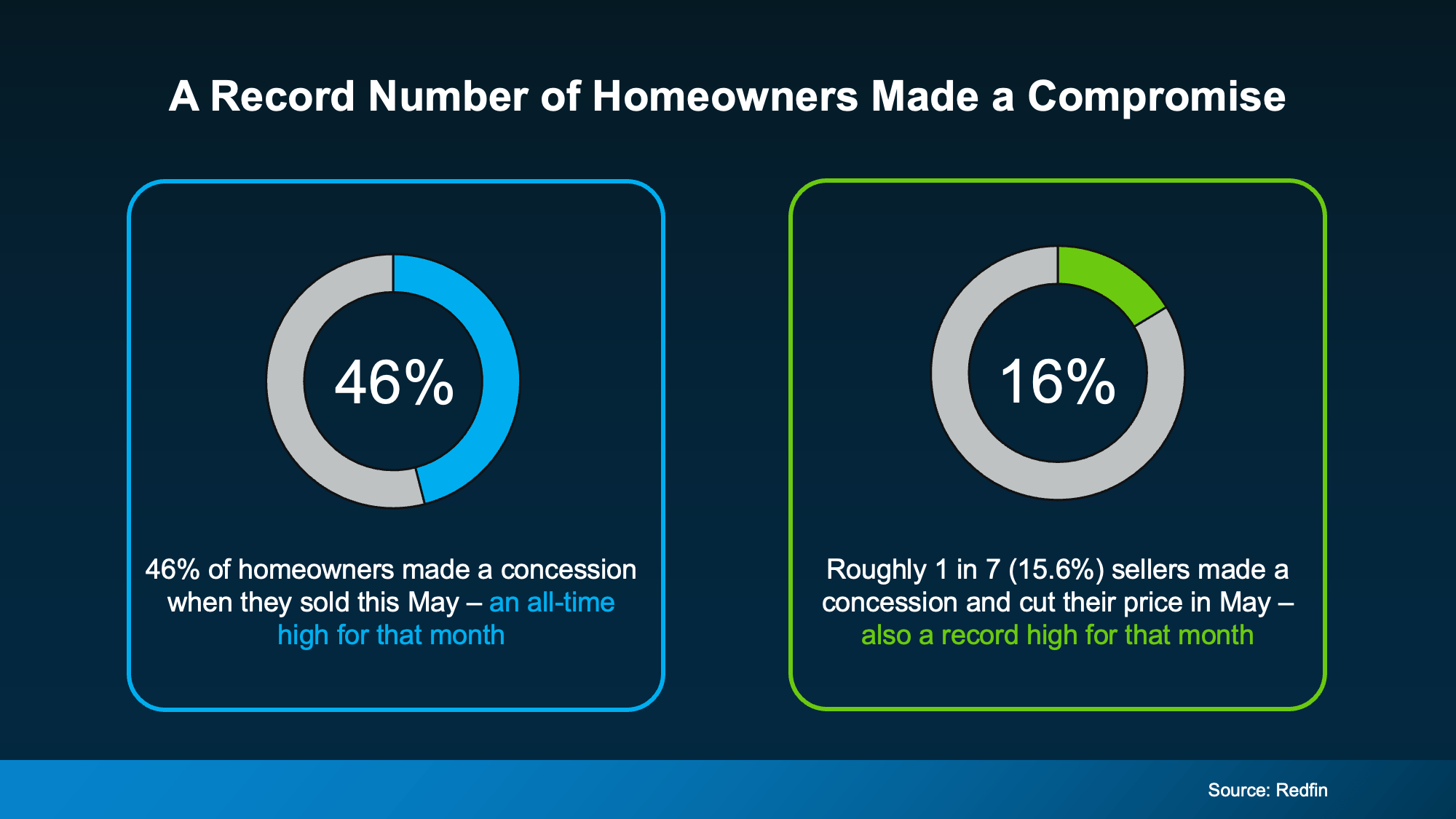
According to recent market data from Redfin, nearly 46% of home sellers recently offered buyer concessions—the highest percentage recorded for this time of year. Even more telling, approximately 16% of sellers both lowered their asking price and provided additional concessions, demonstrating a greater willingness to work with buyers.
Why?
Because buyers have more options than before.
When inventory grows, buyers become more selective. Sellers understand that refusing every request could mean watching their property sit on the market longer than expected.
Instead of risking a lost sale, many homeowners are choosing flexibility.
Builders Are Competing More Aggressively Than Many People Realize
Many buyers assume home builders rarely negotiate.
That's no longer true.
Builders are facing the same market realities as traditional sellers. Rising inventory, affordability concerns, and increased competition mean they're offering attractive incentives to stand out.
According to the National Association of Home Builders (NAHB):
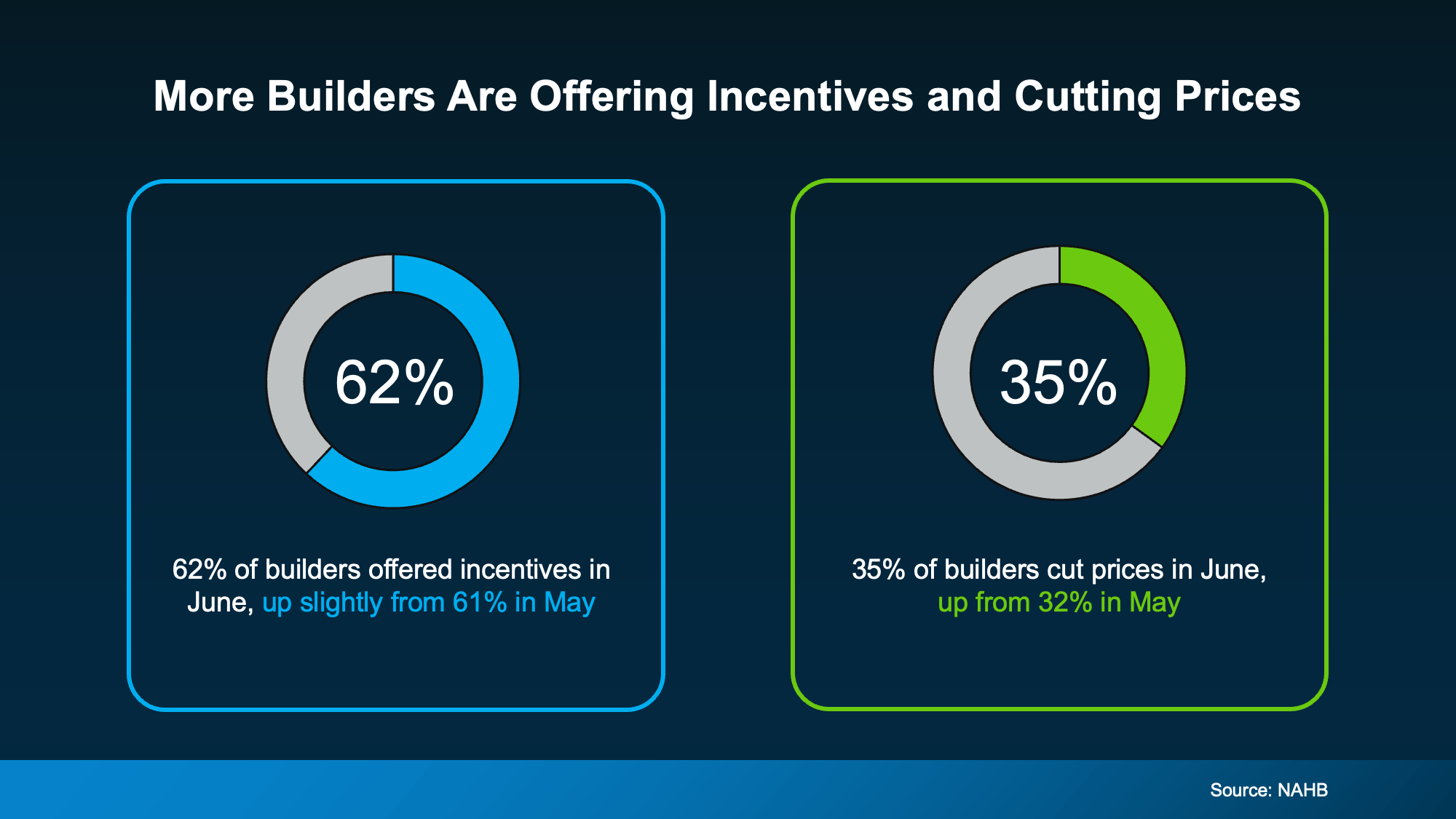
- Around 62% of builders are currently offering incentives
- Approximately 35% have reduced prices outright
Even more impressive, builders have consistently offered incentives for over 15 consecutive months, showing this isn't just a temporary marketing strategy—it's become part of today's competitive landscape.
As Danielle Hale, Chief Economist at Realtor.com, explains, builders are responding directly to affordability challenges and growing existing-home inventory by becoming more competitive.
That creates opportunities buyers simply didn't have a few years ago.
What Buyers Should Do Right Now
If you're thinking about purchasing a home, this market offers advantages that deserve your attention.
Instead of focusing only on the purchase price, look at the entire transaction.
Ask questions like:
- Can the seller help with closing costs?
- Is there room to negotiate after the inspection?
- Would the builder include premium upgrades?
- Is a mortgage rate buydown available?
- Could appliances or warranties be included?
Remember, the first offer isn't always the final offer.
Negotiation is once again becoming a normal—and expected—part of buying real estate.
Working with an experienced real estate professional can help you identify opportunities that many buyers overlook.
What Sellers Need to Understand
If you're preparing to list your home, flexibility can be one of your greatest competitive advantages.
Today's buyers are comparing multiple properties, including brand-new homes packed with builder incentives.
That means pricing alone may not be enough.
Being open to reasonable requests can:
- Attract more qualified buyers
- Reduce time on market
- Prevent deals from falling apart
- Increase the likelihood of reaching closing successfully
This doesn't mean accepting every demand.
Instead, it means understanding which concessions make financial sense while keeping your transaction moving forward.
Often, a relatively small concession can save weeks—or even months—of additional carrying costs and uncertainty.
Negotiation Doesn't Mean You're Losing
Some sellers worry that offering concessions signals weakness.
In reality, successful negotiation is about creating value for both parties.
Imagine a bridge connecting two sides of a river.
The buyer builds from one side.
The seller builds from the other.
Concessions and incentives are simply the final pieces that connect the bridge.
Without them, both sides may never reach an agreement.
The goal isn't to "win" the negotiation.
The goal is to close the deal while achieving the best possible outcome for everyone involved.
The Bottom Line
The real estate market is entering a healthier, more balanced phase where negotiation matters again. Buyers have greater leverage to request concessions, while sellers and builders are increasingly willing to offer incentives that make homeownership more affordable.
If you're buying, don't be afraid to ask about closing cost assistance, repairs, price adjustments, or builder promotions—you may be pleasantly surprised by what's available.
If you're selling, be prepared for buyers to negotiate. A thoughtful concession today could mean a faster sale, fewer complications, and a smoother closing tomorrow.
Every local market is different, and the opportunities available can vary significantly by neighborhood, price range, and inventory levels. Understanding what's realistic in your area is the key to making confident decisions.
Whether you're purchasing your first home, upgrading to your next property, or preparing to sell, having a knowledgeable real estate professional by your side can help you navigate negotiations and maximize every opportunity the current market has to offer.
Ready to make your move? Let's connect and discuss what concessions and incentives are realistic in today's local market—and how you can use them to your advantage.
Recent Posts






GET MORE INFORMATION