SHOULD SELLERS PAY A BUYER'S CLOSING COSTS? A SMART GUIDE FOR TODAY'S HOUSING MARKET

There was a time not long ago when selling a home felt effortless.
Properties were flying off the market, bidding wars were common, and sellers held nearly all the negotiating power. If a buyer wanted a home, they often had to accept the seller's terms without hesitation. Repairs were frequently declined, concessions were rare, and negotiations were almost nonexistent.
But the real estate landscape has changed.
With more homes becoming available and buyers gaining additional options, negotiations have once again become a standard part of the home-selling process. As a result, sellers need to adjust their expectations and understand which compromises can help them achieve a successful sale.
One of the most common requests sellers are hearing today is assistance with a buyer's closing costs.
At first glance, many homeowners hesitate. Why should they pay expenses that belong to the buyer?
The answer isn't always straightforward. In many cases, offering help with closing costs can be a strategic move that helps secure a sale faster and with fewer complications.
Let's explore what buyer closing costs are, why more buyers are requesting assistance, and when it may make sense for sellers to say yes.
Understanding Buyer Closing Costs
When purchasing a home, buyers pay more than just their down payment.
There are several additional expenses required to complete the transaction, commonly referred to as closing costs. These fees cover various services and processes involved in transferring ownership and securing financing.
Common closing costs may include:
- Loan origination fees
- Home appraisal expenses
- Property inspection costs
- Title insurance fees
- Attorney fees
- Survey expenses
- Recording fees
- Other administrative charges
These expenses can add up quickly.
In most cases, buyer closing costs range between 2% and 5% of the home's purchase price. For a $400,000 property, that could mean an additional $8,000 to $20,000 due at closing.
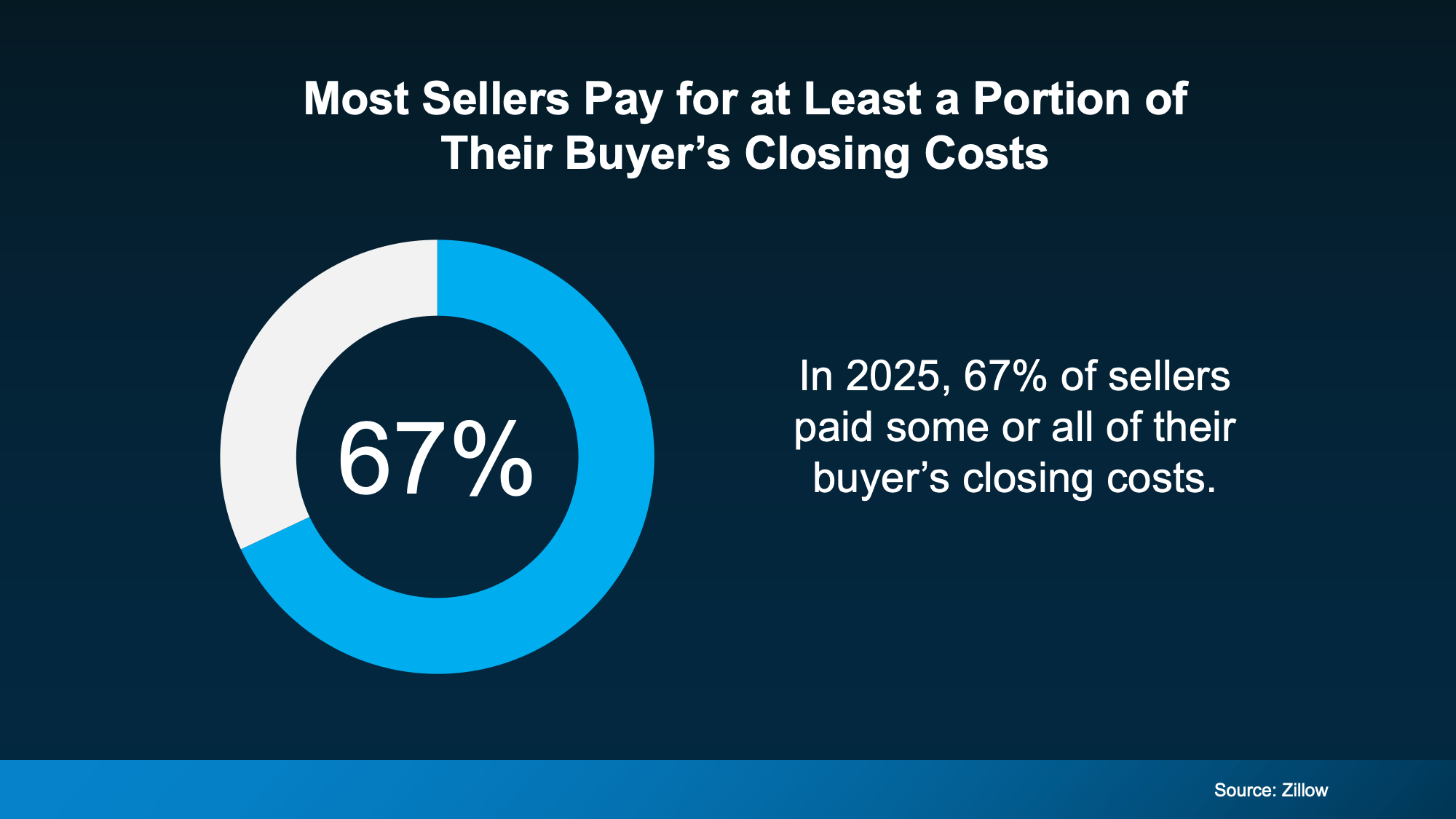
That's a significant amount of money, especially in today's affordability-conscious housing market.
Many buyers can comfortably handle monthly mortgage payments but struggle to gather enough cash for the upfront expenses required to close the deal. This financial challenge is one reason more buyers are asking sellers for assistance.
Why More Sellers Are Covering Closing Costs
As market conditions evolve, seller concessions are becoming increasingly common.
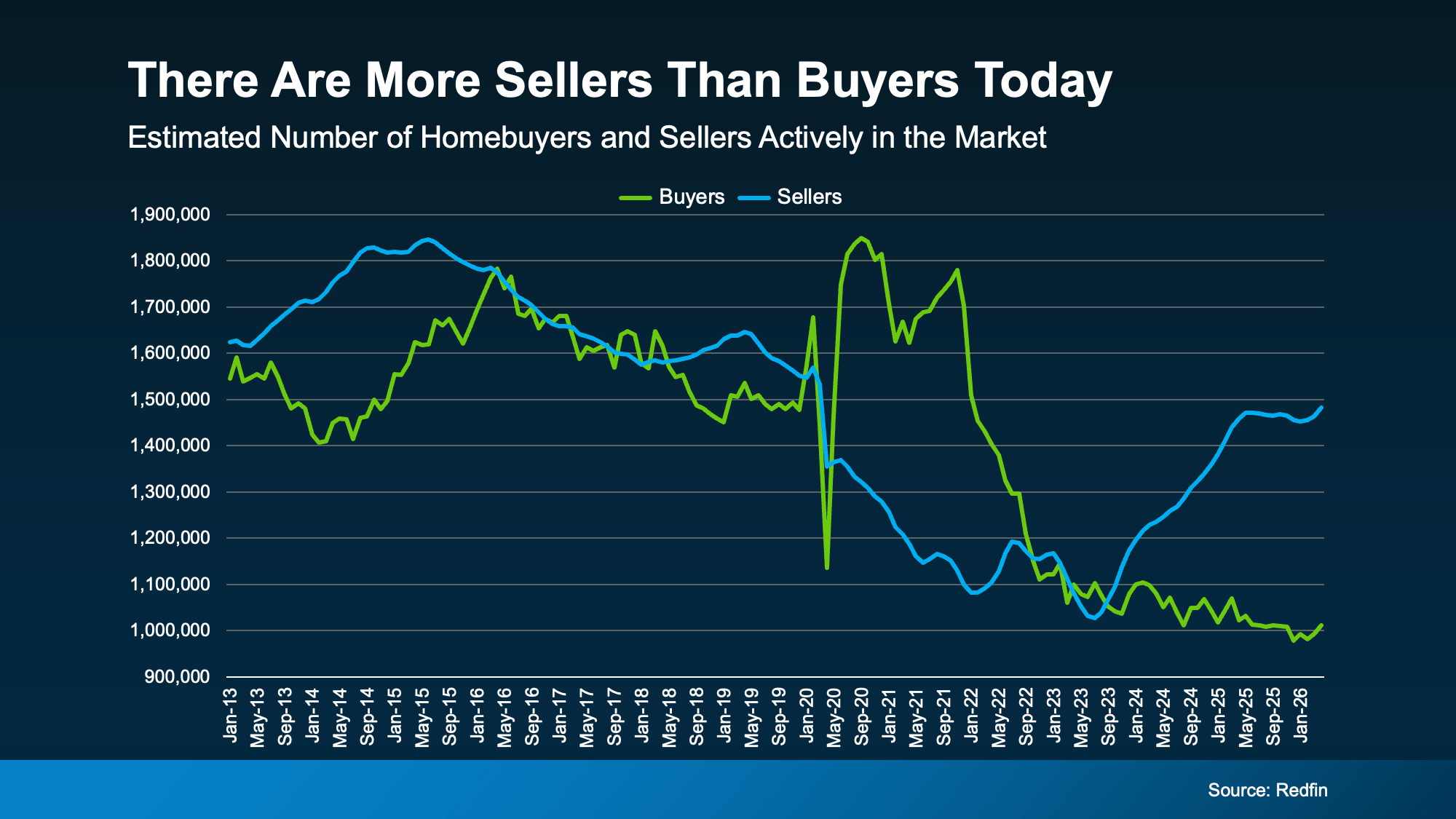
When inventory levels rise, buyers gain more choices. Instead of competing aggressively for limited properties, they can take their time comparing homes, negotiating terms, and requesting incentives.
This shift naturally changes the balance of power.
Many sellers who want to attract qualified buyers are finding that offering concessions can make their property stand out from competing listings. One of the most appealing incentives is helping with closing costs.
Rather than viewing this as losing money, savvy sellers often see it as an investment in getting the transaction completed efficiently.
A home sitting on the market for months can become more expensive than providing a reasonable concession upfront. Additional mortgage payments, utility bills, insurance premiums, and maintenance costs can quickly outweigh the amount offered toward a buyer's closing expenses.
The Goal Isn't Winning Every Negotiation
One of the biggest mistakes sellers make is approaching negotiations as a contest.
The objective isn't to win every point.
The real goal is to sell your home under terms that help you move forward successfully.
Think of negotiations like crossing a bridge. If both sides refuse to meet in the middle, nobody gets across.
A buyer requesting assistance with closing costs isn't necessarily trying to take advantage of you. In many cases, they're simply trying to make the numbers work so they can complete the purchase.
If helping with a portion of those expenses means securing a qualified buyer and avoiding weeks or months of uncertainty, it may be a worthwhile tradeoff.
When Paying Closing Costs Makes Financial Sense
Not every situation requires seller concessions.
However, there are several scenarios where helping with a buyer's closing costs may be a smart strategy.
Your Local Market Has High Inventory
When there are numerous homes for sale in your area, buyers gain leverage.
They have more options to choose from and may naturally gravitate toward sellers who are willing to offer incentives. If your competition is providing concessions, refusing to negotiate could place your property at a disadvantage.
Your Home Has Been on the Market Longer Than Expected
Every seller hopes for a quick sale.
But when a listing remains active longer than anticipated, it often signals that adjustments may be necessary. Offering assistance with closing costs can renew buyer interest and potentially attract stronger offers.
You're Receiving Showings but No Offers
A steady stream of showings combined with a lack of offers often indicates hesitation from buyers.
Sometimes, buyers love the property but are struggling with affordability concerns. Closing cost assistance can bridge that gap and encourage serious buyers to move forward.
You Need To Sell Quickly
Whether you're relocating for work, purchasing another home, downsizing, or managing a life transition, speed may be a priority.
In these situations, providing a concession could help accelerate the transaction and reduce carrying costs associated with keeping the property on the market.
You're Trying To Save an Existing Deal
Real estate transactions occasionally encounter obstacles.
Perhaps an inspection revealed unexpected issues, or financing challenges emerged late in the process. Offering assistance with closing costs can sometimes keep a deal alive when both parties genuinely want to reach the finish line.
Alternatives to Paying Buyer Closing Costs
Flexibility doesn't mean agreeing to every request.
If contributing toward closing costs doesn't align with your goals, there are other concessions that may appeal to buyers while protecting your bottom line.
Offer a Home Warranty
A home warranty can provide buyers with added peace of mind regarding major systems and appliances after closing.
This relatively affordable incentive may help buyers feel more confident about moving forward.
Provide Repair Credits
Instead of completing repairs before closing, sellers can offer credits that allow buyers to address issues themselves after taking ownership.
This approach can simplify negotiations and reduce stress for both parties.
Be Flexible With Closing Dates
Timing can be incredibly valuable.
Some buyers may need additional time to coordinate a move, while others may want to close quickly. Offering flexibility can sometimes be just as attractive as a financial concession.
Include Appliances or Furniture
Leaving behind desirable appliances, patio furniture, or other useful items can increase the perceived value of the transaction without requiring a direct contribution toward closing expenses.
Why Local Market Knowledge Matters
Real estate isn't one-size-fits-all.
What works in one city, neighborhood, or price range may not work in another.
Some areas remain highly competitive, with sellers maintaining significant negotiating power. In these markets, concessions may be unnecessary. In other locations, buyers are enjoying more leverage than they've had in years.
That's why understanding local conditions is essential before making any decisions.
An experienced real estate professional can help evaluate current inventory levels, buyer demand, pricing trends, and negotiation patterns within your specific market.
Armed with that information, you'll be able to make decisions that support your goals rather than relying on national headlines or generalized advice.
The Bottom Line: Smart Sellers Adapt to Market Conditions
The most successful home sellers aren't necessarily the ones who refuse every request.
They're the ones who understand the market, stay flexible, and focus on achieving the best overall outcome.
In today's housing environment, helping with a buyer's closing costs may sometimes be the difference between waiting and selling. Other times, alternative concessions may accomplish the same objective.
The key is understanding what buyers are looking for, evaluating your local market conditions, and knowing which negotiations truly matter.
If you're preparing to sell your home, don't think of concessions as giving something away. Think of them as strategic tools that can help you attract buyers, strengthen offers, and move your transaction across the finish line with confidence.
Recent Posts









GET MORE INFORMATION